

What are the safety measures for cargo truck loading docks?
Hey there! I'm a supplier of cargo trucks, and I've seen firsthand the importance of safety at loading docks. Loading and unloading cargo is a high - risk operation that involves heavy machinery, large vehicles, and lots of moving parts. So, let's dive into what safety measures we need to take at cargo truck loading docks.
1. Personnel Training
First off, proper training for all personnel involved in the loading and unloading process is a must. This includes dock workers, truck drivers, and forklift operators. Everyone should know the ins and outs of the equipment they're using. For example, forklift operators need to be certified. They should understand how to handle different types of loads, how to operate the forklift safely on the dock, and what to do in case of an emergency.
Dock workers should be trained on how to use dock equipment like dock levelers and vehicle restraints. They need to know how to position the cargo correctly to prevent it from shifting during transit. And truck drivers? They should be aware of the dock's layout, the proper procedures for backing into the dock, and how to communicate with the dock workers effectively.
2. Equipment Maintenance
The equipment at the loading dock is the backbone of the operation. Regular maintenance of all the equipment is crucial. Dock levelers, for example, need to be inspected frequently. These are used to bridge the gap between the dock and the truck, and if they're not in good working condition, it can lead to serious accidents. Check for any signs of wear and tear, like cracks or loose parts, and have them fixed immediately.
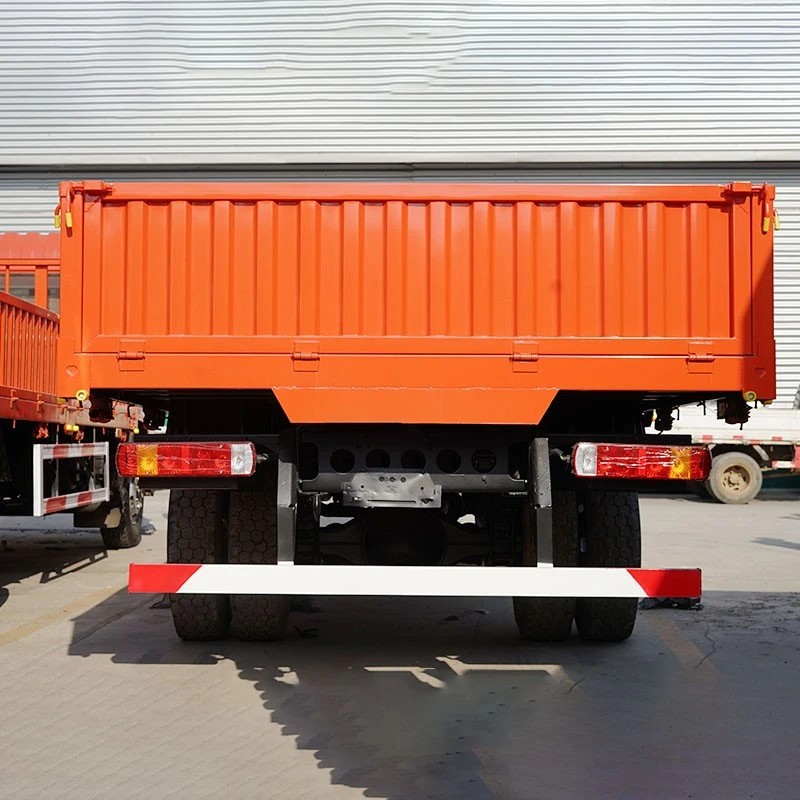
Vehicle restraints are another important piece of equipment. They keep the truck in place during loading and unloading. Make sure they're properly installed and functioning correctly. A faulty vehicle restraint can cause the truck to move unexpectedly, which is extremely dangerous.
Forklifts also need regular servicing. Check the brakes, steering, and the lifting mechanism. A malfunctioning forklift can not only damage the cargo but also put the operator and others at risk.
3. Safety Barriers and Signage
Safety barriers are a great way to prevent accidents at the loading dock. Install barriers around the edges of the dock to keep people and equipment from falling off. They can also help guide traffic and separate different work areas. For example, have a barrier between the area where trucks are parked and the area where forklifts are operating.
Signage is equally important. Use clear and visible signs to indicate things like speed limits, loading and unloading areas, and emergency exits. Warning signs can also be placed to alert workers to potential hazards, such as low - hanging beams or slippery floors.
4. Lighting
Good lighting is often overlooked but is essential for a safe loading dock. Dimly lit areas can make it difficult for workers to see what they're doing, which increases the risk of accidents. Make sure the entire loading dock area, including the truck interiors and the surrounding areas, is well - lit. Use high - intensity lights that can withstand the harsh conditions at the dock, like dust and moisture.
5. Communication
Effective communication between the truck drivers, dock workers, and forklift operators is key. Have a clear system in place for communication. This could be through walkie - talkies or hand signals. For example, when a truck is backing into the dock, the driver should have a spotter outside the truck to guide them. The spotter can use hand signals to indicate when to stop, go, or turn.
Also, make sure that everyone is aware of the loading and unloading schedule. This helps to avoid confusion and ensures that the process runs smoothly.
6. Weather Considerations
Weather conditions can have a big impact on the safety of the loading dock. In rainy or snowy weather, the dock floors can become slippery. Install anti - slip mats or use a non - slip coating on the floors to prevent slips and falls. In extreme heat or cold, equipment can malfunction, and workers may be at risk of heat stroke or hypothermia. Provide appropriate protection and training for workers to deal with these conditions.
7. Securing the Load
Once the cargo is loaded onto the truck, it's important to secure it properly. This prevents the load from shifting during transit, which can cause the truck to become unstable. Use appropriate tie - down straps, ropes, or braces to secure the cargo. For example, when loading large and heavy items like machinery, make sure they're firmly attached to the truck's bed.
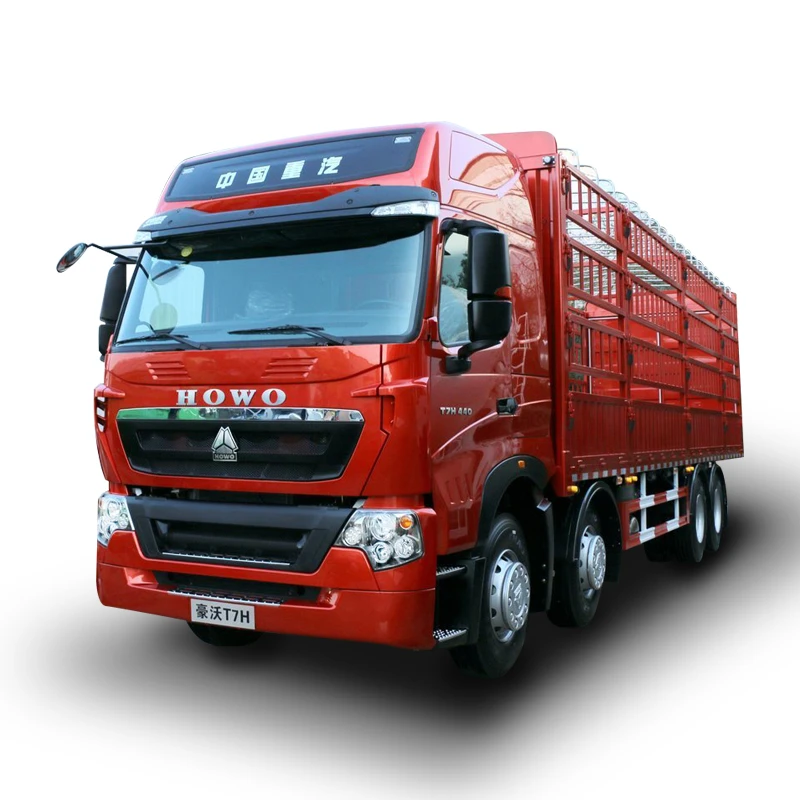
Some of the cargo trucks we supply are great for this kind of operation. We have the Dongfeng 4x2 Cargo Truck, which is known for its reliability and durability. It has a well - designed cargo area that makes it easier to load and secure different types of cargo. The Shacman L3000 Cargo Truck is another good option. It offers a good balance between power and cargo capacity, and it's suitable for a wide range of applications. And if you need a heavy - duty truck, the Howo N7w 8x4 Cargo Truck is a great choice. It can handle large and heavy loads with ease, and its strong frame helps to keep the cargo secure.
Conclusion
Safety at cargo truck loading docks is of utmost importance. By implementing these safety measures, we can reduce the risk of accidents, protect the workers, and ensure that the cargo is loaded and unloaded efficiently. If you're in the market for a reliable cargo truck, we've got you covered. Our trucks are designed to meet the highest safety and performance standards.
If you're interested in learning more about our cargo trucks or have any questions about loading dock safety, feel free to reach out. We're always here to help you with your cargo transportation needs. Let's work together to make your loading and transportation operations as safe and efficient as possible.
References
- Occupational Safety and Health Administration (OSHA) guidelines on loading dock safety.
- Industry best practices for cargo truck loading and unloading.