

How do I measure the track wear on Cat D6g Bulldozers?
As a supplier of Cat D6g Bulldozers, I understand the critical importance of accurately measuring track wear. This not only ensures the performance and safety of the bulldozer but also helps in planning maintenance and replacement schedules. In this blog, I will share some practical methods and considerations for measuring track wear on Cat D6g Bulldozers.
Why Measuring Track Wear Matters
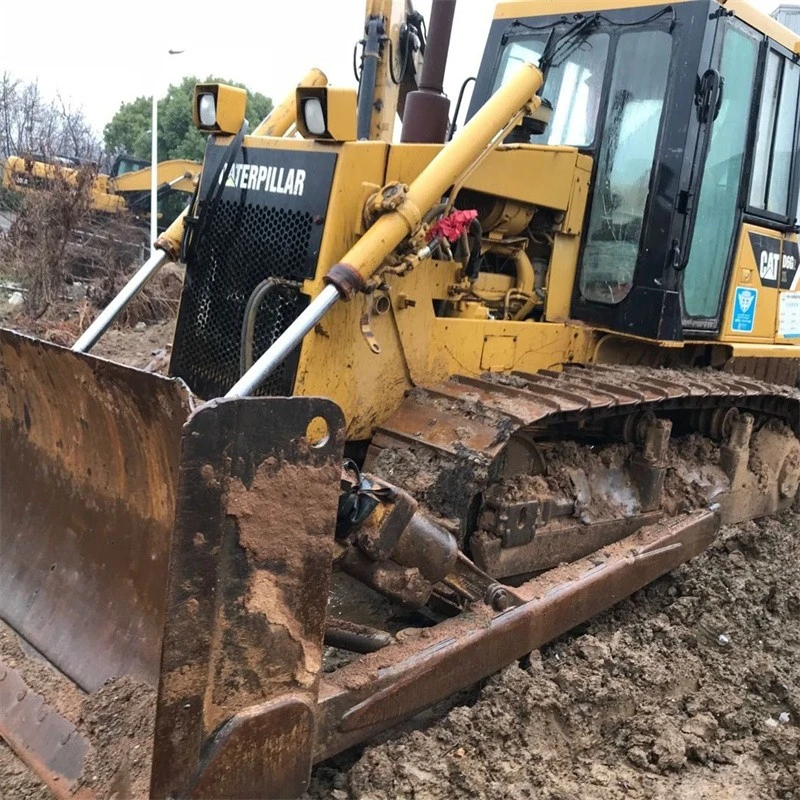
The tracks of a Cat D6g Bulldozer are its primary contact with the ground. Over time, the continuous friction and stress during operation cause the tracks to wear. Excessive track wear can lead to reduced traction, uneven movement, increased fuel consumption, and even potential safety hazards. By regularly measuring track wear, we can detect early signs of wear and take proactive measures to prevent these issues.
Tools Required for Measuring Track Wear
Before we start measuring, we need to gather the necessary tools. These typically include a measuring tape, a caliper, and a straightedge. A measuring tape is used to measure the length of the track, while a caliper can accurately measure the thickness of the track components. A straightedge helps in checking the straightness of the track and detecting any deformations.
Measuring the Track Pitch
The track pitch is the distance between the centers of two adjacent track pins. It is an important parameter for assessing track wear. To measure the track pitch, follow these steps:
- Clean the track surface to ensure accurate measurements.
- Select a section of the track where the pins are clearly visible.
- Use a measuring tape to measure the distance between the centers of two adjacent pins. Take multiple measurements at different locations along the track to get an average value.
- Compare the measured pitch with the manufacturer's specifications. If the pitch has increased significantly, it indicates that the track is worn and may need to be replaced.
Measuring the Track Gauge
The track gauge is the distance between the inner edges of the two tracks. It affects the stability and maneuverability of the bulldozer. To measure the track gauge:
- Park the bulldozer on a flat and level surface.
- Use a measuring tape to measure the distance between the inner edges of the two tracks at several points along the length of the tracks.
- Check if the measured gauge is within the specified range. A deviation from the standard gauge can cause uneven wear on the tracks and other components.
Measuring the Track Link Thickness
The thickness of the track links is another important indicator of track wear. As the links wear, their thickness decreases. To measure the link thickness:
- Use a caliper to measure the thickness of the track links at multiple locations. Focus on areas that are most prone to wear, such as the contact surfaces with the sprockets and idlers.
- Compare the measured thickness with the original specifications. If the thickness has decreased below a certain threshold, it is time to replace the track links.
Inspecting for Track Deformation
In addition to measuring the dimensions, it is also important to inspect the tracks for any signs of deformation. Use a straightedge to check if the track is straight. Look for any cracks, bends, or other damages. Deformed tracks can cause uneven stress distribution and lead to premature wear.
Considerations for Measuring Track Wear
- Operating Conditions: The wear rate of the tracks can vary depending on the operating conditions. For example, working on rough or abrasive terrain will cause the tracks to wear faster than on smooth surfaces. Take into account the specific operating environment when assessing track wear.
- Maintenance History: Regular maintenance, such as proper lubrication and tension adjustment, can significantly extend the lifespan of the tracks. Review the maintenance records to understand the history of the bulldozer and how it may have affected the track wear.
- Age of the Tracks: Older tracks are more likely to be worn out compared to new ones. Consider the age of the tracks when making a decision about replacement.
Comparing with Other Construction Machinery
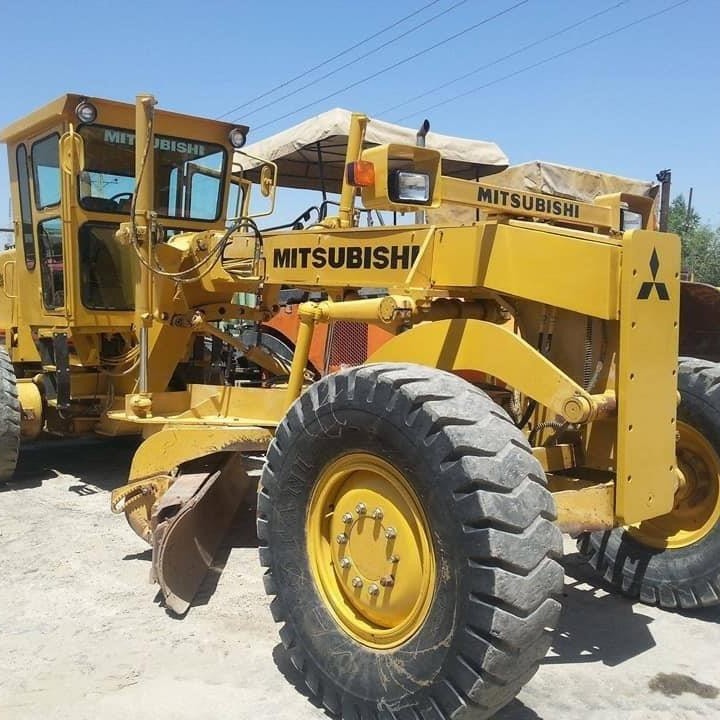
While focusing on the Cat D6g Bulldozers, it's also interesting to compare track wear measurement with other construction machinery. For instance, the Mitsubishi 430 Grader has a different track system, and the measurement methods may vary slightly. Similarly, the Cat D6g2 Bulldozers may have some differences in track design and wear characteristics. The Komatsu Pc700 - 8 crawler Excavator also has its own unique track system that requires specific measurement techniques.
Conclusion
Accurately measuring track wear on Cat D6g Bulldozers is crucial for maintaining the performance and safety of the equipment. By following the methods described above and considering the various factors that affect track wear, we can make informed decisions about track maintenance and replacement. If you are in the market for Cat D6g Bulldozers or need more information about track wear measurement and maintenance, feel free to contact us for a detailed discussion and to explore our range of products and services.
References
- Caterpillar Inc. Cat D6g Bulldozer Operator's Manual.
- Industry standards and guidelines for construction machinery maintenance.