

How to check the alignment of a cargo truck's wheels?
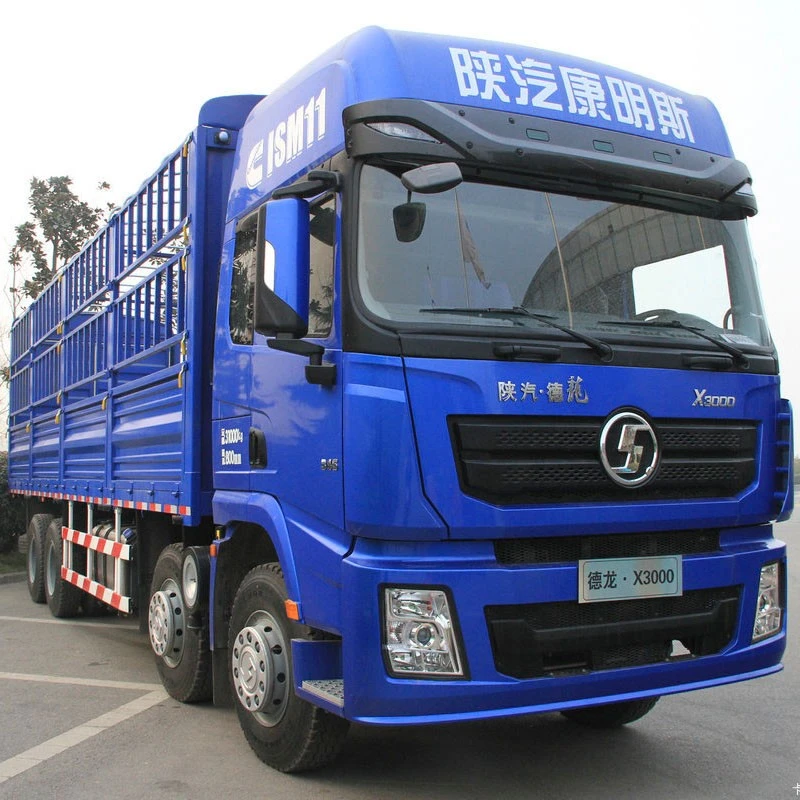
As a cargo truck supplier, I understand the critical role that proper wheel alignment plays in the performance, safety, and longevity of our vehicles. Whether you're operating a Shacman X3000 Cargo Truck, a Howo N7w 8x4 Cargo Truck, or a Shacman L3000 Cargo Truck, ensuring your wheels are correctly aligned is essential. In this blog post, I'll share some practical steps on how to check the alignment of a cargo truck's wheels.
Why Wheel Alignment Matters
Before diving into the checking process, it's important to understand why wheel alignment is so crucial. Proper wheel alignment ensures that your truck's tires make optimal contact with the road surface. This leads to several benefits:
- Improved Fuel Efficiency: When the wheels are aligned, there is less resistance between the tires and the road. This means the engine doesn't have to work as hard, resulting in better fuel economy.
- Enhanced Safety: Correct alignment helps maintain stable handling and steering response. It reduces the risk of skidding, especially in wet or slippery conditions, and ensures the truck travels in a straight line without pulling to one side.
- Extended Tire Life: Misaligned wheels cause uneven tire wear. By keeping the wheels properly aligned, you can prevent premature tire replacement and save money in the long run.
Tools You'll Need
To check the alignment of a cargo truck's wheels, you'll need the following tools:
- Tape Measure: This will be used to measure the distance between various points on the wheels.
- String or Alignment Rope: A long, straight string or alignment rope can help you determine if the wheels are parallel.
- Level: A small level can be used to ensure the truck is on a flat surface.
- Caliper (Optional): A caliper can provide more precise measurements if needed.
Step 1: Prepare the Truck
The first step is to prepare the truck for the alignment check. Park the truck on a flat, level surface and engage the parking brake. Make sure the tires are properly inflated to the recommended pressure, as under - or over - inflated tires can affect the alignment readings.
Step 2: Check the Toe Alignment
Toe alignment refers to the angle at which the tires point inward or outward when viewed from above. Incorrect toe alignment can cause the tires to wear unevenly on the edges.

- Mark the Tires: Use a piece of chalk or tape to mark the center of the front and rear edges of each tire on both sides of the truck.
- Measure the Toe - In or Toe - Out: Measure the distance between the front marks on the tires (front toe) and the distance between the rear marks (rear toe). Compare these measurements. For most cargo trucks, the front toe should be slightly positive (toe - in), meaning the front of the tires are closer together than the rear. A typical toe - in specification for a cargo truck might be between 1/16 to 1/8 of an inch. If the measurements deviate significantly from the manufacturer's specifications, the toe alignment needs adjustment.
Step 3: Check the Camber Alignment
Camber alignment is the angle at which the tires tilt inward or outward when viewed from the front of the truck. Excessive positive or negative camber can cause uneven tire wear on one side of the tire.
- Use a String or Alignment Rope: Attach a string or alignment rope to the front and rear of the truck, making sure it is parallel to the centerline of the truck.
- Measure the Camber: Place a level against the sidewall of each tire and measure the angle between the tire and the vertical line represented by the string. Compare these measurements to the manufacturer's specifications. Most cargo trucks have a slight negative camber (the top of the tire tilts inward) to improve handling and stability.
Step 4: Check the Caster Alignment
Caster alignment is the angle of the steering axis when viewed from the side of the truck. It affects the steering stability and self - centering ability of the truck.
- Lift the Front Wheels: Use a jack to lift the front wheels off the ground slightly. Make sure the truck is secure and stable.
- Check the Caster Angle: Use a caster gauge or a specialized alignment tool to measure the caster angle. This measurement is more complex and may require some experience. If the caster angle is incorrect, it can cause the truck to pull to one side or have poor steering response.
Step 5: Inspect the Suspension Components
While checking the wheel alignment, it's also a good idea to inspect the suspension components for any signs of wear or damage. Look for loose or worn ball joints, tie - rod ends, and bushings. Damaged suspension components can affect the alignment and should be replaced as soon as possible.
Step 6: Make Adjustments (if necessary)
If you find that the wheel alignment is off, it's best to take the truck to a professional alignment shop. They have the specialized equipment and expertise to make the necessary adjustments accurately. However, if you have experience working on trucks and the proper tools, you can attempt to make minor adjustments yourself.
- Toe Adjustment: To adjust the toe alignment, you'll need to turn the tie - rod ends. Turning the tie - rod end in one direction will increase the toe - in, while turning it in the other direction will increase the toe - out.
- Camber and Caster Adjustment: Camber and caster adjustments are more complex and often require the use of shims or adjustable suspension components. These adjustments should be made with caution, as incorrect adjustments can lead to further alignment problems.
Step 7: Re - check the Alignment
After making any adjustments, re - check the wheel alignment to ensure that it is within the manufacturer's specifications. Repeat the measurement steps outlined above to confirm that the toe, camber, and caster angles are correct.
Conclusion
Checking the alignment of a cargo truck's wheels is an important maintenance task that can have a significant impact on the truck's performance, safety, and cost - effectiveness. By following these steps and using the right tools, you can identify and correct alignment issues early on.
If you're in the market for a new cargo truck or need further advice on wheel alignment and maintenance, we're here to help. As a leading cargo truck supplier, we offer a wide range of high - quality trucks, including the Shacman X3000 Cargo Truck, Howo N7w 8x4 Cargo Truck, and Shacman L3000 Cargo Truck. Contact us today to discuss your requirements and start the procurement process.
References
- "Automotive Chassis Systems" by Thomas D. Gillespie
- Manufacturer's service manuals for cargo trucks