

How to choose the right concrete mixer truck?
Hey there! As a concrete mixer truck supplier, I've seen a lot of folks scratching their heads when it comes to choosing the right one. It's not just about picking any old truck off the lot. There are tons of factors to consider, and I'm here to break it down for you.
First off, let's talk about capacity. This is a biggie. The capacity of a concrete mixer truck is measured in cubic meters. You need to think about the size of the projects you'll be working on. If you're mainly dealing with small - scale jobs like residential sidewalks or backyard patios, a truck with a capacity of around 3 - 6 cubic meters might be sufficient. These smaller trucks are more maneuverable and can easily access tight spaces. On the other hand, if you're working on large commercial construction sites, you'll probably want a truck with a capacity of 8 cubic meters or more.
For example, our Howo 6x4 Mixer Truck comes in different capacity options. It's a great choice for medium - sized projects. It's got a sturdy build and can handle a decent amount of concrete without being too bulky.
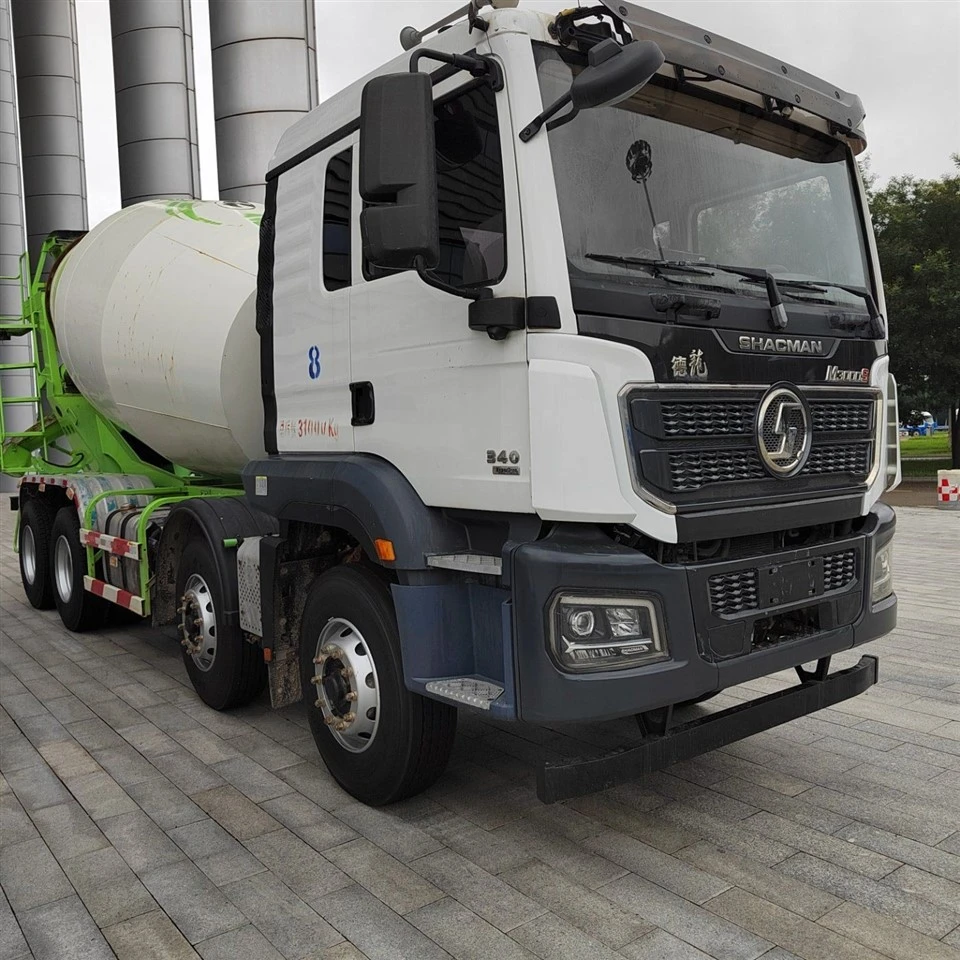
Next up is the truck's chassis. The chassis is like the backbone of the mixer truck. A good chassis should be able to support the weight of the loaded mixer drum and the concrete inside. You want a chassis that's made from high - quality materials and has a strong suspension system. Trucks with a 6x4 or 8x4 configuration are quite popular. The 6x4 trucks are more common for medium - sized jobs as they offer a good balance between load - carrying capacity and maneuverability. Meanwhile, the 8x4 trucks, like our Sitrak 8x4 Mixer Truck and Shacman 8x4 Mixer Truck, are better suited for heavy - duty work. They can carry larger volumes of concrete and are more stable on the road, especially when fully loaded.
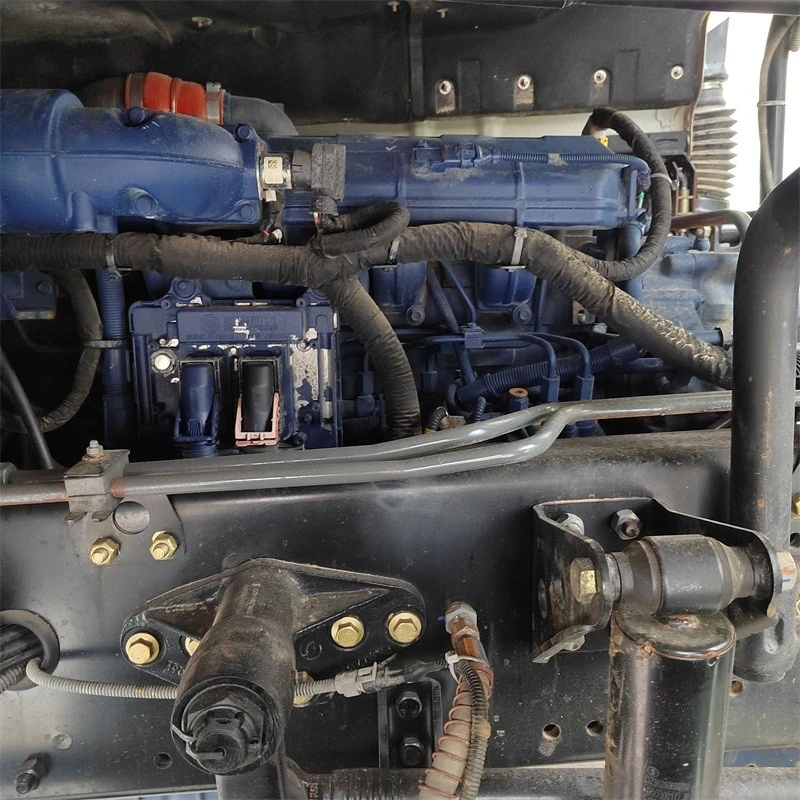
The engine is another crucial component. A powerful engine is essential to ensure that the truck can move the heavy load of concrete efficiently. You need to consider the engine's horsepower and torque. Higher horsepower means the truck can accelerate faster and climb hills more easily, while torque is important for pulling the heavy load. Diesel engines are the norm in concrete mixer trucks because they offer better fuel efficiency and more torque compared to gasoline engines.
Fuel efficiency is something you can't ignore. Running a concrete mixer truck can be expensive, and fuel costs are a significant part of the operating expenses. Look for trucks with engines that are designed to be fuel - efficient. Some modern trucks come with advanced engine management systems that optimize fuel consumption based on the load and driving conditions.
The mixer drum is the heart of the concrete mixer truck. It's where the magic happens - where the ingredients are mixed to form that perfect concrete. The design of the mixer drum is important. A well - designed drum will ensure that the concrete is mixed thoroughly and evenly. You also need to consider the rotation speed of the drum. A faster rotation speed can lead to better mixing, but it might also consume more energy.
Maintenance is a long - term consideration. You want a truck that's easy to maintain. Look for trucks with accessible components. This makes it easier for mechanics to perform routine maintenance tasks like oil changes, filter replacements, and inspections. Also, consider the availability of spare parts. If a part breaks down, you don't want to be waiting weeks for a replacement.
The brand and reputation of the manufacturer matter a lot. A well - established brand is more likely to produce high - quality trucks. They usually have a better support network, which means you can get help when you need it. Reading reviews from other customers can give you an idea of the reliability and performance of a particular brand and model.
Safety features are non - negotiable. Concrete mixer trucks are large and heavy vehicles, so safety should be a top priority. Look for trucks with features like anti - lock braking systems (ABS), airbags, and stability control. These features can help prevent accidents and keep the driver and other road users safe.
Price is, of course, a major factor. You need to balance your budget with the features and quality you need. Sometimes, it might be worth spending a bit more upfront for a truck that offers better performance, reliability, and lower operating costs in the long run. But don't just go for the cheapest option without considering the other factors.
Now, let's talk about the environment. With the increasing focus on sustainability, some concrete mixer trucks are being designed to be more environmentally friendly. These trucks might use alternative fuels or have engines that produce fewer emissions. If environmental concerns are important to you, look into these options.
Once you've considered all these factors, it's a good idea to take a test drive if possible. This will give you a feel for how the truck handles on the road, how comfortable the driver's seat is, and how easy it is to operate the controls.
In conclusion, choosing the right concrete mixer truck is a complex decision. You need to consider capacity, chassis, engine, fuel efficiency, mixer drum, maintenance, brand, safety, price, and environmental impact. At our company, we offer a wide range of concrete mixer trucks to suit different needs and budgets. Whether you're a small contractor or a large construction company, we've got a truck for you.
If you're interested in learning more about our concrete mixer trucks or are ready to start the purchasing process, don't hesitate to reach out. We're here to help you make the right choice and get you on the road to successful construction projects.
References
- Construction Equipment Magazine
- Industry reports on concrete mixer trucks