

How to choose the right size of a cargo truck for my business?
Selecting the appropriate size of a cargo truck is a pivotal decision for any business involved in transportation and logistics. As a seasoned cargo truck supplier, I understand the challenges and considerations that come with this choice. In this blog post, I'll share valuable insights and practical tips to help you make an informed decision tailored to your business needs.
Understanding Your Business Requirements
Before diving into the world of cargo trucks, it's essential to have a clear understanding of your business requirements. Consider the following factors:
Cargo Volume and Weight
The volume and weight of the cargo you'll be transporting are crucial determinants of the truck size you need. If you deal with large, bulky items, such as furniture or construction materials, you'll require a truck with a spacious cargo area. On the other hand, if your cargo is heavy but compact, like machinery or metal goods, you'll need a truck with a high payload capacity.
Delivery Routes and Frequency
The nature of your delivery routes and frequency also plays a significant role in choosing the right truck size. If you operate in urban areas with narrow streets and frequent stops, a smaller, more maneuverable truck may be more suitable. Conversely, if you primarily travel on highways for long distances, a larger truck with better fuel efficiency and comfort features may be a better choice.
Growth Projections
It's important to consider your business's growth projections when selecting a cargo truck. If you anticipate an increase in cargo volume or delivery frequency in the future, it may be wise to choose a slightly larger truck to accommodate this growth. This can save you the hassle and cost of upgrading your fleet in the near future.
Types of Cargo Trucks and Their Sizes
There are several types of cargo trucks available in the market, each with its own size range and capabilities. Here are some common types of cargo trucks and their typical sizes:
Light-Duty Trucks
Light-duty trucks are typically used for small-scale deliveries and local transportation. They have a payload capacity of up to 10,000 pounds and are available in various sizes, from compact vans to medium-sized box trucks. Light-duty trucks are known for their fuel efficiency, maneuverability, and affordability.
Medium-Duty Trucks
Medium-duty trucks are suitable for a wide range of applications, including regional hauling, delivery services, and construction. They have a payload capacity of between 10,000 and 26,000 pounds and are available in various configurations, such as straight trucks, tractor-trailers, and dump trucks. Medium-duty trucks offer a good balance between payload capacity, maneuverability, and fuel efficiency.
Heavy-Duty Trucks
Heavy-duty trucks are designed for long-haul transportation and heavy-duty applications, such as logging, mining, and over-the-road hauling. They have a payload capacity of over 26,000 pounds and are available in various sizes, from single-axle trucks to multi-axle tractor-trailers. Heavy-duty trucks are known for their power, durability, and towing capacity.
Considerations When Choosing the Right Size
Once you have a clear understanding of your business requirements and the types of cargo trucks available, it's time to consider the following factors when choosing the right size:
Payload Capacity
The payload capacity of a cargo truck refers to the maximum weight of the cargo it can carry. It's important to choose a truck with a payload capacity that exceeds your typical cargo weight to ensure safe and efficient transportation. However, it's also important not to choose a truck with a payload capacity that is significantly larger than your needs, as this can result in increased fuel consumption and operating costs.
Cargo Space
The cargo space of a cargo truck refers to the volume of the cargo area. It's important to choose a truck with a cargo space that can accommodate your typical cargo volume. Consider the dimensions of your cargo, including its length, width, and height, and choose a truck with a cargo area that can accommodate these dimensions.
Maneuverability
The maneuverability of a cargo truck refers to its ability to navigate through tight spaces and make turns. It's important to choose a truck that is maneuverable enough to operate in your delivery routes. Consider the turning radius, wheelbase, and overall length of the truck, and choose a truck that can easily navigate through narrow streets and tight corners.

Fuel Efficiency
The fuel efficiency of a cargo truck refers to its ability to consume less fuel while transporting cargo. It's important to choose a truck with good fuel efficiency to reduce operating costs. Consider the engine size, transmission type, and aerodynamics of the truck, and choose a truck that is designed to be fuel-efficient.
Comfort and Safety
The comfort and safety of the driver are also important considerations when choosing a cargo truck. A comfortable and safe driving environment can improve driver productivity and reduce the risk of accidents. Consider the seating comfort, visibility, and safety features of the truck, and choose a truck that is designed to provide a comfortable and safe driving experience.
Examples of Suitable Trucks for Different Business Needs
Here are some examples of suitable trucks for different business needs:
Small Business with Local Deliveries
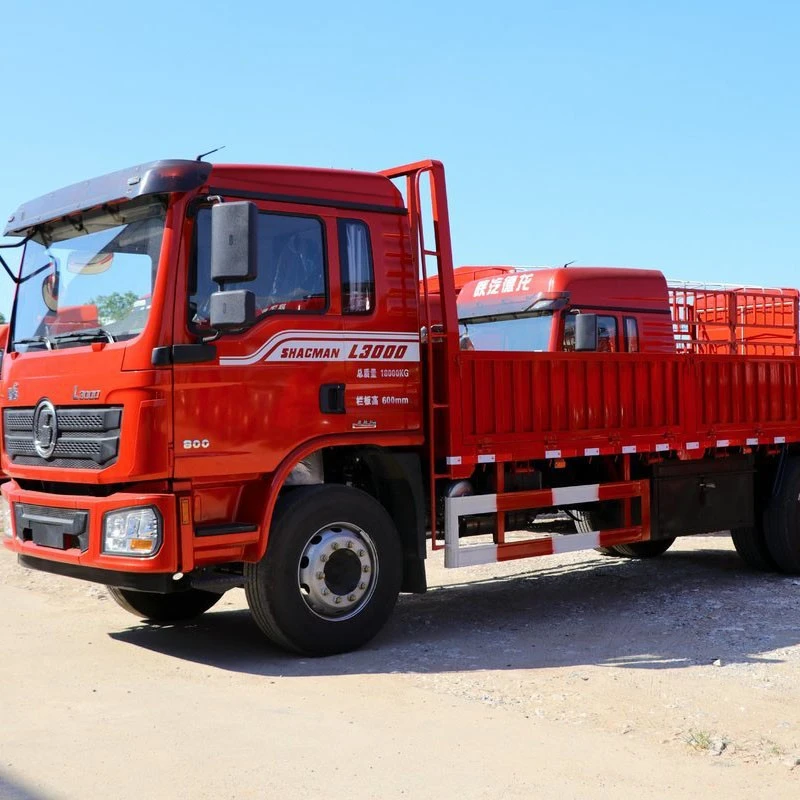
If you're a small business with local deliveries, a light-duty truck such as the Shacman L3000 Cargo Truck may be a suitable choice. This truck has a payload capacity of up to 5,000 pounds and a cargo area of up to 100 cubic feet, making it ideal for small-scale deliveries. It's also fuel-efficient and maneuverable, making it easy to navigate through urban areas.
Medium-Sized Business with Regional Hauling
If you're a medium-sized business with regional hauling needs, a medium-duty truck such as the Howo N7w 8x4 Cargo Truck may be a suitable choice. This truck has a payload capacity of up to 20,000 pounds and a cargo area of up to 300 cubic feet, making it ideal for regional hauling. It's also powerful and durable, making it suitable for long-distance transportation.
Large Business with Long-Haul Transportation
If you're a large business with long-haul transportation needs, a heavy-duty truck such as the Howo 6x4 Cargo Truck may be a suitable choice. This truck has a payload capacity of up to 30,000 pounds and a cargo area of up to 500 cubic feet, making it ideal for long-haul transportation. It's also powerful and efficient, making it suitable for heavy-duty applications.
Conclusion
Choosing the right size of a cargo truck is a critical decision that can have a significant impact on your business's efficiency, productivity, and profitability. By understanding your business requirements, considering the types of cargo trucks available, and evaluating the factors discussed in this blog post, you can make an informed decision that meets your needs and budget.
If you're still unsure which cargo truck size is right for your business, I encourage you to contact me for personalized advice and guidance. As a cargo truck supplier, I have extensive experience in helping businesses choose the right trucks for their needs. I can provide you with detailed information about the different types of trucks available, their features and capabilities, and their pricing. I can also arrange test drives and demonstrations to help you make an informed decision.
Don't hesitate to reach out if you have any questions or need further assistance. I'm here to help you find the perfect cargo truck for your business.
References
- "Cargo Truck Buying Guide." Truck Paper, 2023.
- "How to Choose the Right Truck for Your Business." Fleet Owner, 2023.
- "The Ultimate Guide to Cargo Trucks." Commercial Carrier Journal, 2023.