

How to inspect a used tractor before buying?
Buying a used tractor can be a smart move, especially if you're on a budget. But it's not a decision to be taken lightly. As a tractor supplier, I've seen firsthand the importance of a thorough inspection before making that purchase. In this blog, I'll share some tips on how to inspect a used tractor before you buy it.
1. Check the Exterior
The first thing you should do is take a good look at the tractor's exterior. Walk around it and check for any signs of damage, rust, or wear and tear. Look for dents, scratches, and cracks in the bodywork. Pay special attention to the areas around the wheels, fenders, and doors. Rust can be a sign of poor maintenance or water damage, so it's important to check for it carefully.
If you notice any significant damage or rust, it could be a red flag. It might indicate that the tractor has been in an accident or has been exposed to harsh conditions. In some cases, the damage might be cosmetic, but in others, it could affect the tractor's performance or safety.
2. Inspect the Tires
The tires are an important part of the tractor, so you should give them a close inspection. Check the tread depth to make sure it's within the recommended range. You can use a tread depth gauge to measure the tread, or you can use the penny test. Insert a penny into the tread with Lincoln's head upside down. If you can see the top of Lincoln's head, the tread is too low, and the tires need to be replaced.
Also, check the tires for any signs of damage, such as cuts, bulges, or uneven wear. Uneven wear can indicate problems with the tractor's alignment or suspension. If the tires are in poor condition, it could affect the tractor's handling and fuel efficiency.
3. Examine the Engine
The engine is the heart of the tractor, so it's crucial to inspect it carefully. Start by checking the engine oil level. Remove the dipstick, wipe it clean, and then reinsert it. Pull it out again and check the oil level. The oil should be at the proper level and should look clean. If the oil is low or dirty, it could be a sign of a leak or other engine problems.
Next, check the coolant level. The coolant reservoir is usually located near the radiator. Make sure the coolant level is between the minimum and maximum marks. If the coolant is low, it could indicate a leak in the cooling system.
Inspect the belts and hoses for any signs of wear or damage. Cracked or frayed belts and hoses can cause problems with the engine's performance and could lead to breakdowns. Also, check the battery to make sure it's in good condition. Look for any signs of corrosion on the terminals, and test the battery's voltage with a multimeter.
4. Test the Transmission
The transmission is responsible for transferring power from the engine to the wheels, so it's important to test it to make sure it's working properly. Start the tractor and let it warm up for a few minutes. Then, shift through the gears and listen for any strange noises or grinding. The gears should shift smoothly without any hesitation.
If you notice any problems with the transmission, such as hard shifting or slipping gears, it could be a sign of a serious issue. It might require expensive repairs or even a replacement transmission.
5. Check the Hydraulics
Many tractors are equipped with hydraulic systems to operate attachments such as loaders, backhoes, and mowers. Check the hydraulic fluid level in the reservoir. The fluid should be at the proper level and should look clean. If the fluid is low or dirty, it could indicate a leak or other hydraulic problems.
Test the hydraulic functions by operating the attachments. Make sure they lift, lower, and tilt smoothly without any jerks or hesitation. If you notice any problems with the hydraulics, it could be a sign of a malfunctioning pump, valve, or cylinder.
6. Look at the Electrical System
The electrical system is responsible for powering the tractor's lights, ignition, and other components. Check the lights to make sure they're working properly. Turn on the headlights, taillights, and turn signals and make sure they're bright and visible.
Inspect the wiring for any signs of damage or corrosion. Loose or frayed wires can cause electrical problems and could be a fire hazard. Also, check the fuses and relays to make sure they're in good condition.
7. Evaluate the Seats and Controls
The seats and controls are important for the operator's comfort and safety. Check the seats for any signs of wear or damage. Make sure they're adjustable and provide adequate support.
Test the controls to make sure they're easy to operate and respond smoothly. The steering wheel should turn easily without any play, and the pedals should have good feel and response.
8. Consider a Professional Inspection
If you're not experienced in inspecting tractors, it might be a good idea to hire a professional mechanic to do a pre - purchase inspection. A professional can identify potential problems that you might miss and can give you an accurate assessment of the tractor's condition.
A professional inspection can be especially important if you're buying a high - value or complex tractor. It can save you money in the long run by helping you avoid buying a tractor with hidden problems.
Our Tractor Offerings
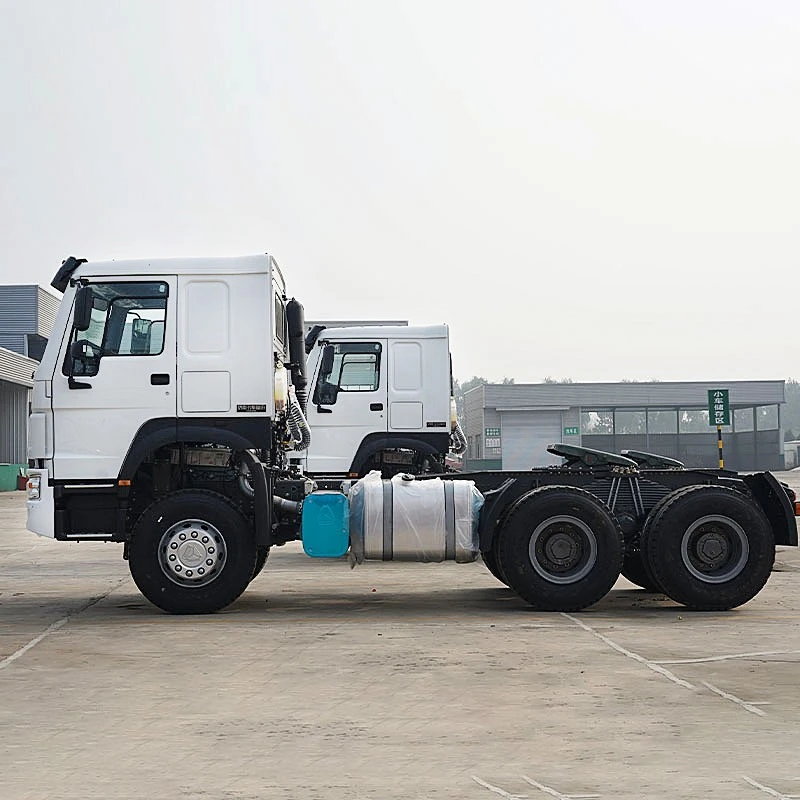
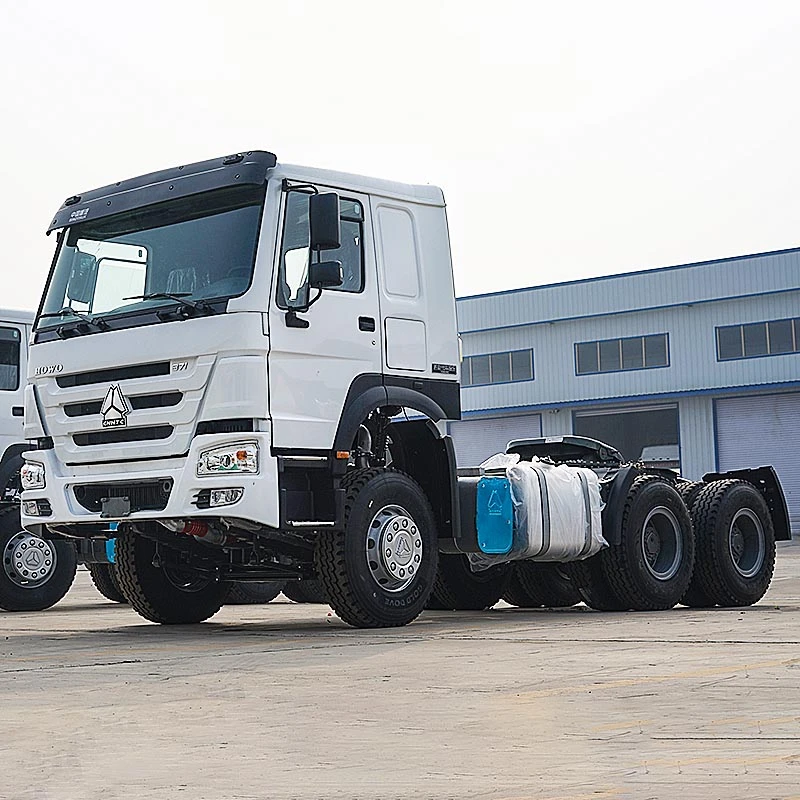
At our supply, we have a wide range of used tractors available, including the Benz Actros 4x2 Tractor, Howo 6x4 Tractor, and Howo T7h 6x4 Tractor. All of our tractors go through a thorough inspection process before being offered for sale, so you can have peace of mind knowing that you're getting a quality machine.
Contact Us for Purchase
If you're interested in buying a used tractor, don't hesitate to contact us. We're here to help you find the right tractor for your needs and budget. Our team of experts can answer any questions you have and can guide you through the purchasing process. Whether you're a farmer, a contractor, or a hobbyist, we have the perfect tractor for you.
References
- "Tractor Maintenance and Repair Manual" by John Deere
- "The Complete Guide to Buying a Used Tractor" by Farm Equipment Magazine