

How to maintain the cooling system of Cat D6g2 Bulldozers?
As a supplier of Cat D6g2 Bulldozers, I understand the critical role that the cooling system plays in the overall performance and longevity of these powerful machines. The cooling system is responsible for maintaining the engine at an optimal operating temperature, preventing overheating, and ensuring smooth and efficient operation. In this blog post, I will share some essential tips on how to maintain the cooling system of Cat D6g2 Bulldozers to keep them running at their best.
Understanding the Cooling System of Cat D6g2 Bulldozers
Before we dive into the maintenance tips, it's important to have a basic understanding of the cooling system in Cat D6g2 Bulldozers. The cooling system typically consists of a radiator, water pump, thermostat, coolant, and hoses. The radiator is responsible for dissipating heat from the coolant, while the water pump circulates the coolant throughout the engine. The thermostat regulates the flow of coolant based on the engine temperature, and the hoses connect all the components together.
Regular Inspections
Regular inspections are the key to maintaining a healthy cooling system. I recommend inspecting the cooling system at least once a month or more frequently if the bulldozer is used in harsh conditions. Here are some areas to focus on during the inspection:
- Radiator: Check the radiator for any signs of damage, such as leaks, bent fins, or clogging. A damaged radiator can reduce the cooling efficiency and lead to overheating. If you notice any issues, it's important to address them immediately.
- Hoses and Clamps: Inspect the hoses for cracks, leaks, or signs of wear. Make sure the clamps are tight and secure. Loose or damaged hoses can cause coolant leaks, which can lead to overheating.
- Water Pump: Check the water pump for any signs of leaks or abnormal noise. A faulty water pump can cause poor coolant circulation, leading to overheating.
- Thermostat: Test the thermostat to ensure it is functioning properly. A malfunctioning thermostat can cause the engine to run too hot or too cold.
- Coolant Level: Check the coolant level in the radiator and the coolant reservoir. The coolant level should be between the minimum and maximum marks. If the coolant level is low, it may indicate a leak in the system.
Coolant Maintenance
The coolant is the lifeblood of the cooling system, and it's important to maintain it properly. Here are some tips on coolant maintenance:
- Use the Right Coolant: Always use the coolant recommended by the manufacturer. Using the wrong coolant can cause corrosion, clogging, and other issues.
- Check the Coolant Quality: Over time, the coolant can become contaminated with dirt, debris, and rust. It's important to check the coolant quality regularly and replace it if necessary. You can use a coolant tester to check the coolant's pH level and specific gravity.
- Flush the Cooling System: Flushing the cooling system periodically is important to remove any built-up dirt, debris, and rust. I recommend flushing the cooling system every two years or as recommended by the manufacturer.
- Add Coolant Additives: Coolant additives can help prevent corrosion, scale buildup, and other issues. Follow the manufacturer's recommendations when adding coolant additives.
Cleaning the Radiator
The radiator is the most critical component of the cooling system, and it's important to keep it clean. A dirty radiator can reduce the cooling efficiency and lead to overheating. Here are some tips on cleaning the radiator:
- Use a Soft Brush: Use a soft brush to clean the radiator fins gently. Avoid using a hard brush or high-pressure water, as this can damage the fins.
- Use a Radiator Cleaner: You can use a radiator cleaner to remove any stubborn dirt and debris. Follow the manufacturer's instructions when using a radiator cleaner.
- Blow Out the Radiator: After cleaning the radiator, use compressed air to blow out any remaining dirt and debris. This will help ensure that the radiator is completely clean.
Proper Operating Procedures
Proper operating procedures can also help maintain the cooling system. Here are some tips on proper operating procedures:
- Warm Up the Engine: Always warm up the engine before operating the bulldozer. This will allow the coolant to circulate properly and reach the optimal operating temperature.
- Avoid Overloading: Avoid overloading the bulldozer, as this can put extra stress on the engine and the cooling system.
- Monitor the Temperature Gauge: Keep an eye on the temperature gauge while operating the bulldozer. If the temperature gauge indicates that the engine is running too hot, stop the bulldozer immediately and let it cool down.
- Shut Down the Engine Properly: After using the bulldozer, let the engine run for a few minutes to allow the coolant to circulate and cool down the engine. Then, shut down the engine properly.
Conclusion
Maintaining the cooling system of Cat D6g2 Bulldozers is essential for ensuring their optimal performance and longevity. By following these tips, you can keep the cooling system in good condition and prevent costly repairs. Remember, regular inspections, coolant maintenance, cleaning the radiator, and proper operating procedures are the keys to a healthy cooling system.
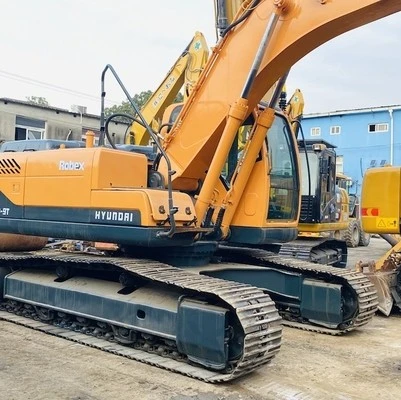
If you are in the market for construction machinery, we also offer a wide range of other equipment, including the Hyundai R225 Crawler Excavator, Cat 140h Grader, and Xcmg Xct35u Truck Cranes. If you have any questions or would like to discuss your equipment needs, please feel free to contact us. We are here to help you find the right equipment for your project.

References
- Caterpillar Inc. (Year). Cat D6g2 Bulldozer Operator's Manual.
- Cooling System Maintenance Guide for Heavy Equipment. (Year). Industry Publication.