

How to park a special truck safely?
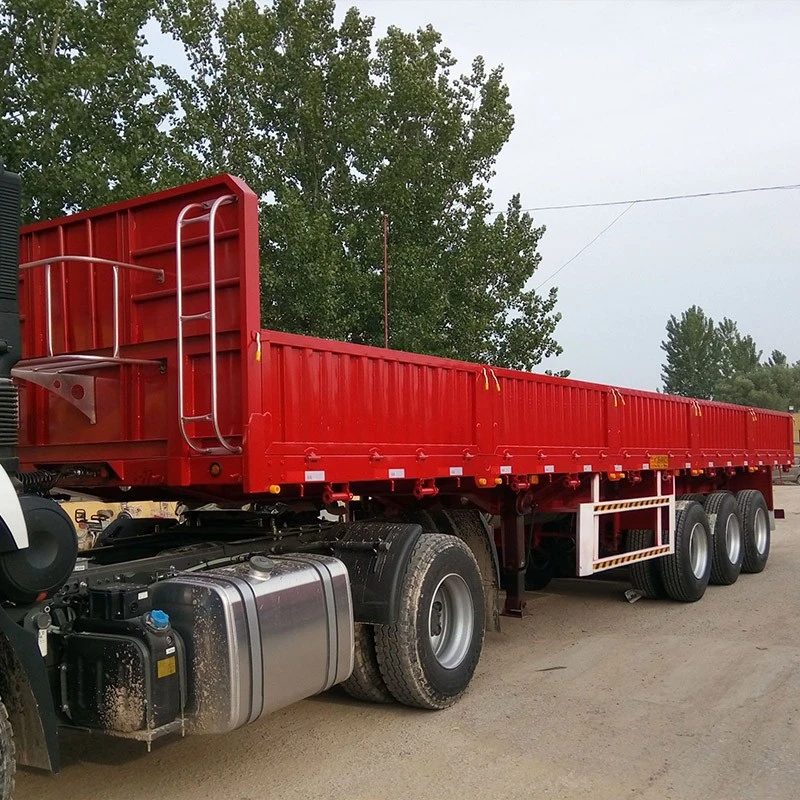
Hey there! I'm a supplier of special trucks, and I've seen my fair share of parking mishaps. Parking a special truck safely isn't just about finding a spot; it's a skill that can save you a lot of headaches and potential damage. In this blog, I'll share some tips on how to park a special truck safely, whether you're dealing with a Column Board Trailer, a Fences Cargo Trailer, or a Dump Semi Trailer.
Pre - Parking Checks
Before you even start looking for a parking spot, it's crucial to do a quick check of your special truck. First off, make sure your brakes are in good working condition. You don't want your truck rolling away on you. Check the brake fluid level and look for any signs of wear on the brake pads.
Next, inspect your tires. Low tire pressure can affect the stability of your truck, especially when parked. Use a tire pressure gauge to ensure all tires are inflated to the recommended level. Also, look for any cuts, bulges, or excessive wear on the tire treads.
Don't forget about your lights. Make sure all your headlights, taillights, and turn signals are working properly. This is important not only for safety but also for visibility, especially if you're parking in a dimly - lit area.
Choosing the Right Parking Spot
When it comes to parking a special truck, size matters. Special trucks are often larger and bulkier than regular vehicles, so you need to find a spot that can accommodate your truck's length and width. Look for designated truck parking areas whenever possible. These areas are designed to handle the size and weight of special trucks.
Avoid parking in areas with low clearance if your truck has a high profile. Hitting an overhanging structure can cause serious damage to your truck. Also, stay away from areas prone to flooding, as water can damage your truck's electrical systems and engine.
Consider the terrain. A flat and stable surface is ideal for parking. Avoid parking on slopes if you can, as it can put extra strain on your brakes and make it difficult to get your truck moving again when you're ready to leave.
Parking Techniques
Once you've found the perfect spot, it's time to park your truck. Approach the parking spot slowly and carefully. Use your mirrors to guide you and make sure you have enough space on all sides.
If you're parallel parking, start by positioning your truck parallel to the vehicle in front of the parking spot. Leave about two feet of space between your truck and the other vehicle. Then, slowly back into the spot, turning your steering wheel as needed. Keep an eye on your mirrors and use your rear - view camera if your truck is equipped with one.
When parking in a perpendicular spot, align your truck with the markings on the ground. Make sure your truck is centered in the spot and that you're not blocking any neighboring spots.
After you've parked, engage your parking brake. This is an extra safety measure to prevent your truck from rolling. If your truck has a manual transmission, put it in first gear or reverse to add an additional layer of security.
Securing Your Load
If your special truck is carrying a load, it's important to secure it properly before parking. A loose load can shift during parking, causing the truck to become unbalanced and potentially leading to an accident.
Use straps, chains, or other securing devices to keep your load in place. Make sure all the securing points are tight and that the load is evenly distributed. Check the load periodically to ensure it hasn't shifted.
Post - Parking Checks
After you've parked your truck, do one final check. Walk around your truck to make sure everything looks okay. Check that your doors are locked and that all windows are closed.
If you're going to be away from your truck for an extended period, consider using wheel chocks. These are small wedges that you place in front of and behind your truck's tires to prevent it from rolling.
Dealing with Emergencies
Even if you follow all the rules, emergencies can still happen. If you notice a problem with your parked truck, such as a flat tire or a mechanical issue, don't panic. First, make sure your truck is safe and not posing a hazard to other vehicles or pedestrians.

If it's safe to do so, try to fix the problem yourself. Keep a basic toolkit in your truck for minor repairs. However, if the problem is beyond your expertise, call for professional help. Many truck stops and service centers offer emergency assistance for special trucks.
Conclusion
Parking a special truck safely requires a combination of preparation, careful planning, and proper technique. By following these tips, you can minimize the risk of accidents and damage to your truck.
As a special truck supplier, I know how important it is to keep your truck in good condition. We offer a wide range of special trucks, including Column Board Trailer, Fences Cargo Trailer, and Dump Semi Trailer. If you're in the market for a new special truck or have any questions about our products, don't hesitate to reach out. We're here to help you find the perfect truck for your needs and ensure you have all the information you need to park it safely.
References
- General truck maintenance and safety guidelines from industry publications
- Personal experience and knowledge as a special truck supplier