

How to prepare the Mitsubishi 430 Grader for cold - weather operation?
As a trusted supplier of the Mitsubishi 430 Grader, I understand the importance of preparing this robust machine for cold - weather operation. Cold weather can pose numerous challenges to construction equipment, but with the right preparation, the Mitsubishi 430 Grader can continue to perform at its best even in the harshest winter conditions.
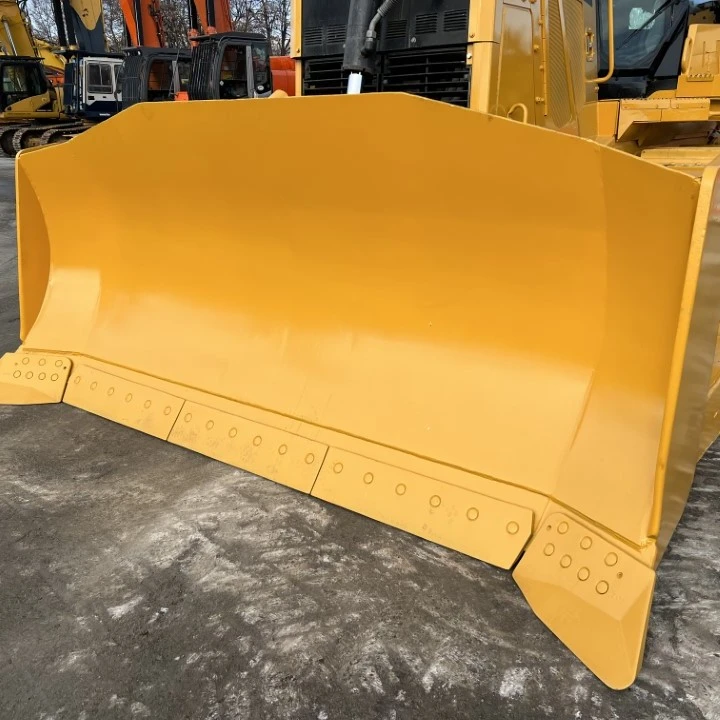

1. Pre - operation Inspection
Before the cold season sets in, a comprehensive pre - operation inspection is essential. Start by checking the engine. The engine is the heart of the Mitsubishi 430 Grader, and cold weather can significantly affect its performance. Inspect the coolant level and ensure it is a proper mixture of antifreeze and water. A common ratio is 50/50, which can protect the engine from freezing down to - 34°F (- 37°C). Check for any leaks in the coolant system, including hoses, connections, and the radiator. A small leak can lead to a loss of coolant, which may cause the engine to overheat or freeze in cold weather.
Next, examine the battery. Cold temperatures can reduce a battery's capacity and make it harder to start the engine. Clean the battery terminals to remove any corrosion, as this can impede the flow of electricity. You can use a mixture of baking soda and water to clean the terminals, then rinse with clean water and dry thoroughly. Consider using a battery warmer or an insulated battery box to keep the battery at a more optimal temperature. A fully charged battery is also crucial, so use a battery charger to top up the charge if necessary.
The fuel system is another critical area to inspect. In cold weather, diesel fuel can gel, which can clog the fuel filters and prevent the engine from running properly. Use a winter - grade diesel fuel that has a lower cloud point, the temperature at which wax crystals start to form in the fuel. You can also add a fuel additive that helps prevent gelling and improves the fuel's cold - flow properties. Check the fuel filters and replace them if they are dirty or clogged, as this can improve the fuel flow to the engine.
2. Lubrication and Fluids
Proper lubrication is vital for the smooth operation of the Mitsubishi 430 Grader in cold weather. The hydraulic system, transmission, and other moving parts rely on lubricants to reduce friction and wear. Use lubricants that are specifically formulated for cold - weather use. These lubricants have a lower viscosity at low temperatures, which means they can flow more easily and provide better protection to the components.
Change the engine oil to a cold - weather grade. A lower - viscosity oil, such as 5W - 30 or 0W - 30, can flow more freely in cold temperatures, ensuring that the engine is properly lubricated during startup. Check the oil level regularly, as cold weather can cause the oil to thicken, and low oil levels can lead to increased friction and damage to the engine.
The hydraulic fluid also needs special attention. Cold temperatures can increase the viscosity of the hydraulic fluid, which can make the hydraulic system sluggish and less responsive. Use a hydraulic fluid with a low - temperature rating to ensure smooth operation of the grader's blade and other hydraulic functions. Check the hydraulic fluid level and look for any signs of leaks in the hydraulic lines and connections.
3. Tires and Tracks
The tires or tracks of the Mitsubishi 430 Grader play a crucial role in providing traction and stability. In cold weather, the rubber in the tires can become harder and less flexible, reducing traction. Check the tire pressure regularly, as cold temperatures can cause the air in the tires to contract, leading to lower tire pressure. Under - inflated tires can affect the grader's handling and increase the risk of tire damage.
If your grader is equipped with tracks, inspect them for wear and damage. Cold weather can make the track links more brittle, increasing the risk of breakage. Make sure the tracks are properly tensioned, as loose tracks can cause excessive wear and may even come off during operation. You can use a track tension gauge to ensure the correct tension.
4. Operator Training
Proper operator training is essential for cold - weather operation of the Mitsubishi 430 Grader. Operators should be aware of the unique challenges presented by cold weather and how to address them. They should know how to perform pre - operation checks, start the engine in cold conditions, and operate the grader safely.
During startup, operators should allow the engine to warm up for a few minutes before engaging the grader's functions. This allows the engine oil and other fluids to circulate and reach the necessary operating temperature. Operators should also be cautious when using the hydraulic functions, as cold hydraulic fluid can make the response time slower.
In addition, operators should be trained on how to recognize the signs of potential problems, such as engine overheating or hydraulic system malfunctions. They should know how to take appropriate action, such as shutting down the engine and contacting maintenance personnel if necessary.
5. Storage and Protection
When the Mitsubishi 430 Grader is not in use during cold weather, proper storage is important to protect it from the elements. If possible, store the grader in a heated garage or storage facility. This can help prevent the engine and other components from freezing and reduce the risk of damage.
If outdoor storage is unavoidable, cover the grader with a heavy - duty tarp to protect it from snow, ice, and wind. Make sure the tarp is securely fastened to prevent it from blowing off. Elevate the grader slightly off the ground to prevent the tires or tracks from freezing to the surface.
Regularly check the stored grader to ensure that there are no signs of damage or deterioration. Look for any signs of water accumulation, which can cause rust and corrosion. If you notice any issues, address them promptly to prevent further damage.
6. Comparison with Other Machinery
While the Mitsubishi 430 Grader is a reliable machine for cold - weather operation, it's interesting to compare it with other construction equipment like the Cat D7h Bulldozers and Cat D6g Bulldozers. The Mitsubishi 430 Grader is known for its precision grading capabilities, which are particularly useful in cold - weather road maintenance and snow removal. In contrast, bulldozers like the Cat D7h and D6g are more powerful and better suited for heavy - duty tasks such as clearing large amounts of snow and pushing heavy loads. However, the grader's ability to create a smooth surface makes it an essential tool for preparing roads and construction sites in cold weather.
Conclusion
Preparing the Mitsubishi 430 Grader for cold - weather operation requires a comprehensive approach that includes pre - operation inspections, proper lubrication, attention to tires and tracks, operator training, and appropriate storage. By following these steps, you can ensure that the grader performs reliably in cold weather and minimizes the risk of breakdowns and costly repairs.
If you are interested in purchasing a Mitsubishi 430 Grader or need more information on its cold - weather operation and maintenance, please feel free to contact us for a detailed discussion. We are committed to providing you with the best equipment and support to meet your construction needs.
References
- "Construction Equipment Maintenance in Cold Weather," Construction Equipment Magazine.
- "Mitsubishi 430 Grader Operator's Manual."
- "Cold - Weather Operation Guidelines for Diesel Engines," Diesel Technology Forum.