

How to prevent corrosion of construction machinery?
Hey there! As a construction machinery supplier, I've seen firsthand the headache that corrosion can cause. It's not just an eyesore; it can seriously mess with the performance and lifespan of your equipment. So, in this blog, I'm gonna share some practical tips on how to prevent corrosion of construction machinery.
Understanding Corrosion
Before we jump into the prevention methods, let's quickly talk about what corrosion is. Corrosion is basically a chemical reaction between a metal and its environment. In the case of construction machinery, factors like moisture, oxygen, and certain chemicals can trigger this reaction. For example, when iron in the machinery comes into contact with water and oxygen, it forms iron oxide, which we commonly know as rust.
Regular Cleaning
One of the simplest yet most effective ways to prevent corrosion is regular cleaning. Construction sites are dirty places, and machinery can quickly get covered in dirt, mud, and other debris. These substances can trap moisture against the metal surface, accelerating the corrosion process.
After each use, make sure to give your equipment a good wash. Use a high - pressure hose to remove loose dirt and grime. Pay special attention to hard - to - reach areas, like the undercarriage of a Xcmg Gr165 Grader. For stubborn stains, you can use a mild detergent. But remember, don't use harsh chemicals that could damage the paint or the metal itself.
Proper Lubrication
Lubrication isn't just for making the machinery run smoothly; it also plays a crucial role in corrosion prevention. A good layer of lubricant acts as a barrier between the metal and the environment, preventing moisture and oxygen from reaching the surface.
Check the lubrication levels regularly and top them up as needed. Different parts of the machinery may require different types of lubricants. For example, the moving parts in the engine need a high - quality engine oil, while the joints and bearings may need a grease with anti - corrosion properties.
Paint and Coating Maintenance
The paint on your construction machinery isn't just for looks; it's a protective layer. A scratch or a chip in the paint can expose the metal underneath to the elements, leading to corrosion.
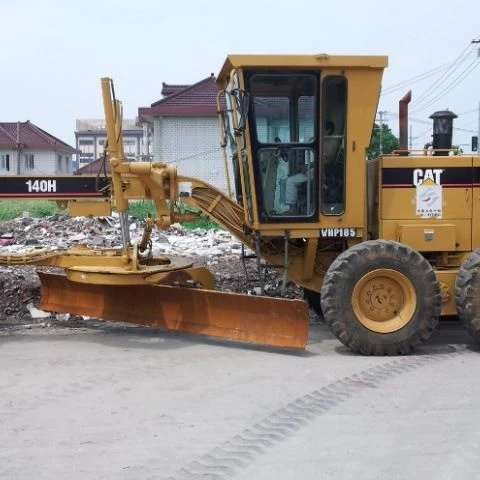
Inspect the paintwork regularly for any signs of damage. If you find a scratch, touch it up as soon as possible. Use a paint that's specifically designed for construction machinery. There are also special anti - corrosion coatings available that you can apply over the paint for an extra layer of protection. For instance, if you own a Cat 140h Grader, keeping its paint and coating in good condition is essential.
Storage Conditions
Where you store your construction machinery can have a big impact on its susceptibility to corrosion. Ideally, you should store your equipment in a dry, covered area. If that's not possible, at least try to protect it from direct exposure to rain and snow.
A storage shed or a garage is a great option. Make sure the storage area is well - ventilated to prevent the buildup of moisture. You can also use dehumidifiers to keep the humidity levels low. If you have to store the machinery outdoors for an extended period, use a waterproof cover.
Use of Corrosion Inhibitors
Corrosion inhibitors are chemicals that can be added to the fuel, coolant, or other fluids in your machinery to prevent corrosion. They work by either forming a protective film on the metal surface or by altering the chemical environment to make it less corrosive.
There are different types of corrosion inhibitors available, and you need to choose the right one for your specific machinery. For example, in the cooling system of a Hyundai R225 Crawler Excavator, you can use a coolant with corrosion inhibitors to protect the engine block and other components.
Monitoring and Inspection
Regular monitoring and inspection are key to catching corrosion early. Set up a schedule to inspect your machinery thoroughly. Look for signs of rust, discoloration, or any other visible damage.
You can also use non - destructive testing methods, such as ultrasonic testing or magnetic particle inspection, to detect hidden corrosion. These methods can help you identify problems before they become serious and cause significant damage to the machinery.
Training for Operators
Your operators play a crucial role in preventing corrosion. Make sure they are trained on the proper use and maintenance of the machinery. Teach them about the importance of cleaning, lubrication, and paint maintenance.
Operators should also be aware of how their actions can affect the corrosion rate. For example, leaving the machinery in wet conditions for an extended period or not following the correct operating procedures can increase the risk of corrosion.

Conclusion
Preventing corrosion of construction machinery is all about taking a proactive approach. By following these tips, you can significantly extend the lifespan of your equipment, reduce maintenance costs, and ensure that your machinery performs at its best.
If you're in the market for high - quality construction machinery or need more advice on corrosion prevention, feel free to get in touch. We're here to help you make the most of your investment and keep your machinery in top shape.
References
- "Corrosion Prevention and Control in the Construction Industry" - A technical guide published by an industry research group.
- "Maintenance Manuals for Construction Machinery" - Provided by various machinery manufacturers.