

How to protect the operator from noise when using agricultural machinery?
As an agricultural machinery supplier, I've witnessed firsthand the importance of protecting operators from the harmful effects of noise when using our equipment. Agricultural machinery, such as tractors and harvesters, can generate high levels of noise that, if not properly managed, can lead to serious health issues for operators. In this blog post, I'll share some effective strategies on how to safeguard operators from noise exposure during agricultural machinery use.
Understanding the Risks of Noise in Agricultural Machinery
Before delving into the protection methods, it's crucial to understand the potential risks associated with noise exposure in the agricultural sector. Prolonged exposure to high - decibel noise can cause permanent hearing loss, tinnitus (ringing in the ears), and other auditory problems. Additionally, it can lead to stress, fatigue, and reduced concentration, which may increase the risk of accidents in the field.
The noise levels produced by agricultural machinery can vary significantly depending on the type of equipment and its operating conditions. For example, large - scale tractors like the Lovolp M2404 - 7n Agricultural Tractor can generate substantial noise during plowing, tilling, or hauling heavy loads. Similarly, combine harvesters and threshers also produce high - intensity noise while in operation.
Engineering Controls
One of the most effective ways to reduce noise exposure is through engineering controls. These involve modifying the machinery itself to minimize noise generation.
Equipment Design and Maintenance
Manufacturers are constantly working on improving the design of agricultural machinery to reduce noise emissions. For instance, the use of advanced engine technology, such as quieter combustion processes and better - insulated engine compartments, can significantly lower the noise produced by tractors. The Lovolp M1002 - 3c Agricultural Tractor incorporates several noise - reducing features in its design, including a well - sealed engine cover and vibration - dampening materials.
Regular maintenance of the machinery is also essential. Worn - out parts, such as belts, bearings, and mufflers, can increase noise levels. By replacing these parts in a timely manner, operators can keep the noise emissions of their equipment under control. For example, a damaged muffler on a tractor can cause a significant increase in exhaust noise, which can be easily rectified by replacing the muffler.
Noise - Isolating Cabins
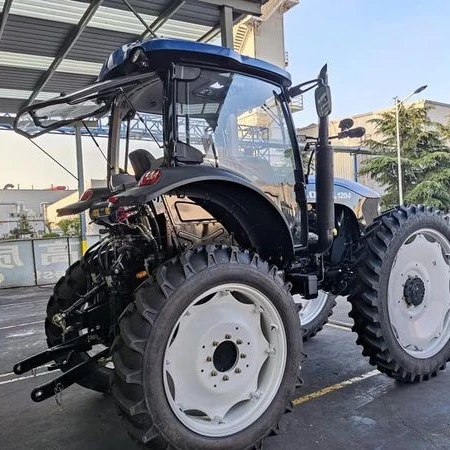
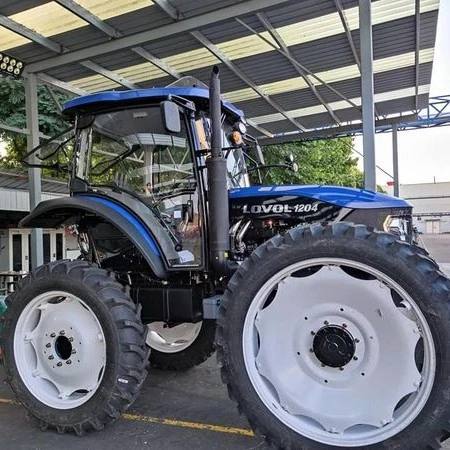
Many modern agricultural tractors, like the Lovolp1204 - 4 Agricultural Tractor, are equipped with noise - isolating cabins. These cabins are designed to reduce the amount of noise that reaches the operator. They are constructed with sound - absorbing materials on the walls, floor, and ceiling, and have well - sealed doors and windows. The use of double - glazed windows can further enhance the noise - isolation effect.
Administrative Controls
Administrative controls involve changes in work practices and policies to reduce noise exposure.
Work Scheduling
Operators can be scheduled to work in shorter shifts when using noisy machinery. This reduces the total amount of time they are exposed to high - level noise. For example, instead of working an 8 - hour continuous shift on a combine harvester, operators can work in two 4 - hour shifts with breaks in between. This allows their ears to recover from the noise exposure and reduces the risk of long - term hearing damage.
Training and Awareness
Providing comprehensive training to operators about the risks of noise exposure and the importance of using protective measures is crucial. Operators should be educated on how to recognize the signs of excessive noise and how to adjust their work practices accordingly. They should also be made aware of the proper use and maintenance of noise - reducing equipment, such as earplugs and earmuffs.
Personal Protective Equipment (PPE)
Personal protective equipment is an important last line of defense against noise exposure.
Earplugs
Earplugs are a simple and cost - effective way to reduce noise. They are inserted into the ear canal and can provide a significant reduction in noise levels. There are different types of earplugs available, including foam earplugs, which are compressed and then expand in the ear canal to form a seal, and custom - molded earplugs, which are made to fit the individual's ear shape.
Earmuffs
Earmuffs are another type of PPE that can be used to protect the ears from noise. They consist of padded cups that fit over the ears and are held in place by a headband. Earmuffs generally provide a higher level of noise reduction than earplugs, especially in high - noise environments. However, they can be less comfortable to wear for long periods of time.
Combination Use
In some cases, using both earplugs and earmuffs together can provide the highest level of noise protection. This is known as double - hearing protection and is recommended for operators who are exposed to extremely high noise levels.
Monitoring and Evaluation
Regular monitoring of noise levels in the workplace is essential to ensure that the noise - reduction measures are effective. Noise dosimeters can be used to measure the amount of noise an operator is exposed to over a period of time. These devices can provide valuable data on the operator's noise exposure and help in determining whether additional protective measures are needed.
In addition to noise monitoring, regular evaluations of the effectiveness of the engineering controls, administrative controls, and PPE should be conducted. This can involve collecting feedback from operators about the comfort and usability of the protective equipment and making adjustments as necessary.
Conclusion
Protecting operators from noise when using agricultural machinery is a multi - faceted approach that involves engineering controls, administrative controls, personal protective equipment, and regular monitoring. As an agricultural machinery supplier, we are committed to providing our customers with equipment that is designed to minimize noise emissions. Our range of tractors, such as the Lovolp M2404 - 7n Agricultural Tractor, Lovolp M1002 - 3c Agricultural Tractor, and Lovolp1204 - 4 Agricultural Tractor, incorporate the latest noise - reduction technologies to ensure the safety and well - being of operators.
If you are interested in learning more about our agricultural machinery or would like to discuss your specific needs for noise - reducing equipment, please feel free to reach out to us for a detailed discussion. We look forward to working with you to find the best solutions for your agricultural operations.
References
- Occupational Safety and Health Administration (OSHA). (20XX). Noise Exposure in Agriculture.
- World Health Organization (WHO). (20XX). Guidelines on Noise and Health.
- Agricultural Machinery Manufacturers Association. (20XX). Best Practices for Noise Reduction in Agricultural Equipment.