

How to reduce the noise of a tractor?
Tractors are essential machines in various industries, especially in agriculture and transportation. However, the noise generated by tractors can be a significant issue, not only for the operators but also for those in the surrounding environment. Excessive noise can lead to hearing loss, stress, and decreased productivity. As a tractor supplier, I understand the importance of reducing tractor noise. In this blog, I will share some effective ways to achieve this goal.
Understanding the Sources of Tractor Noise
Before we can effectively reduce tractor noise, it is crucial to understand where the noise comes from. The main sources of tractor noise include:
- Engine Noise: The engine is the primary source of noise in a tractor. The combustion process, the movement of engine components, and the exhaust system all contribute to engine noise.
- Transmission Noise: The transmission system, including the gears and bearings, can also generate noise, especially when shifting gears or under heavy loads.
- Tire Noise: The interaction between the tires and the road surface produces noise, which can be more pronounced at higher speeds.
- Air Intake and Exhaust Noise: The air intake and exhaust systems can create significant noise as air and exhaust gases flow through them.
Ways to Reduce Tractor Noise
Engine Noise Reduction
- Use High - Quality Engine Oil: High - quality engine oil can reduce friction between engine components, which in turn reduces noise. It helps to keep the engine running smoothly and quietly.
- Regular Engine Maintenance: Regular maintenance, such as changing the air filter, spark plugs, and fuel filters, can ensure that the engine is operating at its optimal level. A well - maintained engine is generally quieter than a poorly maintained one.
- Engine Enclosure: Installing an engine enclosure can significantly reduce engine noise. The enclosure acts as a barrier, absorbing and dampening the sound waves. It can be made of sound - absorbing materials such as fiberglass or acoustic foam.
Transmission Noise Reduction
- Proper Gear Shifting: Teaching operators to shift gears smoothly can reduce the noise generated by the transmission. Jerky gear shifts can cause excessive wear on the gears and bearings, leading to increased noise.
- Lubrication: Ensuring that the transmission is properly lubricated is essential. Using the correct type of transmission fluid can reduce friction and noise.
Tire Noise Reduction
- Choose the Right Tires: Tires with a low - noise tread pattern can significantly reduce tire noise. Some tire manufacturers design their tires to minimize noise, and these are a good option for tractors.
- Maintain Proper Tire Pressure: Under - inflated or over - inflated tires can increase tire noise. Regularly checking and maintaining the proper tire pressure can help keep the noise level down.
Air Intake and Exhaust Noise Reduction
- Air Intake Silencer: Installing an air intake silencer can reduce the noise generated by the air intake system. The silencer works by reducing the turbulence of the incoming air.
- Exhaust Muffler: A high - quality exhaust muffler is crucial for reducing exhaust noise. The muffler is designed to dissipate the energy of the exhaust gases and reduce the noise level.
The Role of Modern Tractor Design in Noise Reduction
Modern tractor manufacturers are increasingly focusing on noise reduction in their designs. For example, the Scania G450 4x2 Tractor is designed with advanced noise - reduction technologies. Its engine is engineered to run quietly, and the overall design of the tractor helps to minimize the transmission of noise to the cabin and the surrounding environment.
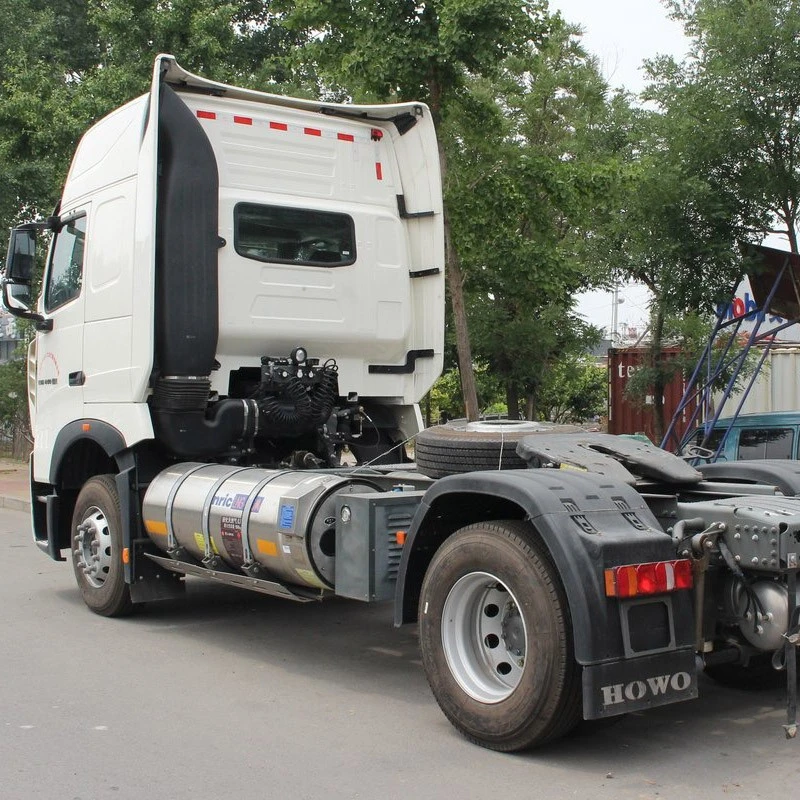
The Howo T7h 4x2 Tractor also incorporates features to reduce noise. The use of high - quality materials in the engine and transmission components, as well as the design of the air intake and exhaust systems, contribute to a quieter operation.
Similarly, the Volvo Fm 6x4 Tractor is known for its low - noise performance. Volvo has invested in research and development to optimize the design of its tractors for noise reduction, ensuring a more comfortable and less noisy working environment.
The Benefits of Reducing Tractor Noise
- Improved Operator Comfort: Reducing tractor noise can significantly improve the comfort of the operator. A quieter cabin means less stress and fatigue, which can lead to increased productivity and better job performance.
- Environmental Friendliness: Lower noise levels are more environmentally friendly. Tractors are often used in areas where there are residential or wildlife areas nearby. Reducing noise pollution can help to minimize the impact on these areas.
- Compliance with Regulations: In many regions, there are regulations regarding noise levels for industrial vehicles, including tractors. By reducing tractor noise, you can ensure compliance with these regulations and avoid potential fines.
Conclusion
Reducing tractor noise is a multi - faceted challenge that requires a combination of proper maintenance, the use of noise - reduction technologies, and the selection of tractors with low - noise designs. As a tractor supplier, I am committed to providing our customers with tractors that are not only powerful and reliable but also quiet.
If you are interested in purchasing a tractor with low - noise performance or need more information on how to reduce tractor noise, please feel free to contact us for further discussion and procurement negotiation. We look forward to working with you to find the best tractor solutions for your needs.

References
- SAE International. "Noise Reduction Techniques for Agricultural Tractors." SAE Technical Paper Series.
- ISO 6396:2008. Acoustics - Measurement of noise emitted by earth - moving machinery - Stationary test conditions.
- Manufacturer's manuals for Scania G450 4x2 Tractor, Howo T7h 4x2 Tractor, and Volvo Fm 6x4 Tractor.