

How to start a Cat D7h Bulldozer?
Starting a Cat D7h Bulldozer is a task that requires a combination of knowledge, preparation, and adherence to safety protocols. As a supplier of Cat D7h Bulldozers, I've had the opportunity to guide numerous customers through the process. In this blog post, I'll share a comprehensive guide on how to start a Cat D7h Bulldozer, ensuring that you can operate this powerful machine safely and efficiently.
Pre - start Inspection
Before attempting to start the Cat D7h Bulldozer, a thorough pre - start inspection is essential. This step not only helps prevent potential breakdowns but also ensures your safety.
- Visual Inspection: Walk around the bulldozer and check for any visible signs of damage. Look for leaks in the hydraulic lines, fuel lines, and coolant hoses. Check the tracks for proper tension and any signs of wear or damage. Inspect the blade for cracks or bent sections. Ensure that all the lights are in working condition, including headlights, taillights, and warning lights.
- Fluid Levels: Check the engine oil level using the dipstick. The oil level should be within the recommended range. Inspect the coolant level in the radiator. Low coolant levels can lead to overheating. Also, check the hydraulic fluid level in the reservoir. Make sure the fuel tank has an adequate amount of fuel.
- Battery Check: Examine the battery terminals for corrosion. Clean any corrosion using a wire brush if necessary. Ensure that the battery is securely mounted and the cables are tightly connected.
Entering the Cab
Once the pre - start inspection is complete, it's time to enter the cab.
- Use the Handrails: When climbing into the cab, use the handrails for support. This helps prevent slips and falls. Make sure your hands are dry to maintain a good grip.
- Adjust the Seat and Controls: Once inside the cab, adjust the seat to a comfortable position. You should have a clear view of the instrument panel and the work area. Adjust the steering wheel and other controls such as the joysticks for blade and track operation to suit your reach and comfort.
Starting the Engine
After getting settled in the cab, you can proceed to start the engine.
- Insert the Key: Locate the ignition key switch and insert the key. Make sure the key is turned to the "On" position. This activates the electrical system, and you'll hear the fuel pump priming.
- Wait for the Warning Lights: Some warning lights on the instrument panel will illuminate when the key is turned to the "On" position. Wait for these lights to go out, indicating that the system has completed its self - check.
- Start the Engine: Once the warning lights have gone out, turn the key further to the "Start" position. Hold the key in this position until the engine starts. If the engine doesn't start within a few seconds, release the key and wait for a short period before trying again. Repeatedly cranking the engine for long periods can drain the battery.
Warm - up Period
After starting the engine, it's crucial to let it warm up.

- Low - RPM Operation: Keep the engine at a low idle speed for a few minutes. This allows the engine oil to circulate properly and reach all the moving parts. It also helps the engine reach its optimal operating temperature.
- Monitor the Instruments: While the engine is warming up, monitor the instrument panel. Check the oil pressure gauge to ensure that the oil pressure is within the normal range. Also, keep an eye on the coolant temperature gauge. If the temperature rises too quickly or goes above the normal range, there may be a problem with the cooling system.
Operational Checks
Before starting any work, perform some operational checks.
- Blade Operation: Use the joystick to raise, lower, tilt, and angle the blade. Make sure the blade moves smoothly and responds to your commands. Check for any unusual noises or vibrations during blade operation.
- Track Operation: Test the track controls. Move the bulldozer forward and backward slowly to ensure that the tracks are functioning properly. Check for any slipping or uneven movement of the tracks.
Safety Considerations
Safety should always be the top priority when operating a Cat D7h Bulldozer.
- Wear Personal Protective Equipment (PPE): Always wear appropriate PPE, including a hard hat, safety glasses, ear protection, and steel - toed boots.
- Be Aware of Your Surroundings: Before moving the bulldozer, look around to make sure there are no people, animals, or obstacles in the way. Use the mirrors in the cab to check your blind spots.
- Follow the Manufacturer's Guidelines: Adhere to all the safety guidelines and operating instructions provided by Caterpillar.
Related Construction Machinery
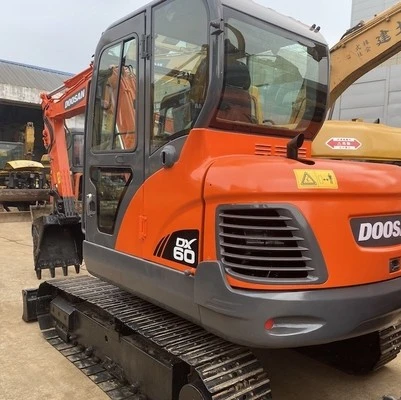
In addition to the Cat D7h Bulldozer, there are other construction machines that can be useful for various construction projects. For example, the Xcmg Xs143j Road Roller is a great choice for compacting soil and asphalt. The LG953N Loader is ideal for loading and transporting materials, and the Dx60 Hydraulic Crawler Excavator is perfect for digging and excavation work.
Contact for Purchase and Consultation
If you're interested in purchasing a Cat D7h Bulldozer or have any questions about its operation, starting process, or maintenance, feel free to contact us. We're here to provide you with all the information you need and to assist you in making the right decision for your construction needs. Whether you're a small - scale contractor or a large construction company, we can offer you the best solutions and support.
References
- Caterpillar Operator's Manual for Cat D7h Bulldozer
- Construction Machinery Safety Guidelines Handbook