

How to start a trucking business?
Starting a trucking business can be an exciting and potentially profitable venture. As a truck supplier, I've seen firsthand the ins and outs of this industry. In this blog, I'll share some tips on how you can kick - start your own trucking business.
1. Do Your Research
Before you jump in, it's crucial to do your homework. The trucking industry is complex, and there are many factors to consider. First, understand the different types of trucking services. There's long - haul trucking, which involves transporting goods over long distances, often across state or national borders. Then there's local and regional trucking, which focuses on shorter routes within a specific area.
You also need to research the demand for trucking services in your target market. Look at industries in your area that rely on transportation, such as manufacturing, agriculture, and retail. For example, if there are a lot of factories in your region, there might be a high demand for transporting raw materials and finished products.
Another aspect of research is to study your competition. Find out who the major players are in the trucking business in your area. Look at their pricing, the types of services they offer, and their customer reviews. This will help you identify gaps in the market that you can fill.
2. Create a Business Plan
A solid business plan is the foundation of any successful business. In your plan, outline your business goals. Are you aiming to be a small - scale local trucking company or a large - scale long - haul operation? Set both short - term and long - term goals.
Detail your financial projections. This includes estimating your startup costs, such as the cost of buying or leasing trucks, insurance, permits, and hiring drivers. You also need to project your revenue based on the rates you plan to charge for your services. Make sure to account for variable costs like fuel, maintenance, and repairs.
Describe your marketing strategy. How will you attract customers? You might consider using online advertising, networking with local businesses, or offering special promotions. A well - thought - out business plan will not only guide you in the early stages but also be useful if you need to secure financing.
3. Choose the Right Trucks
As a truck supplier, I know how important it is to choose the right trucks for your business. The type of trucks you need depends on the services you plan to offer.
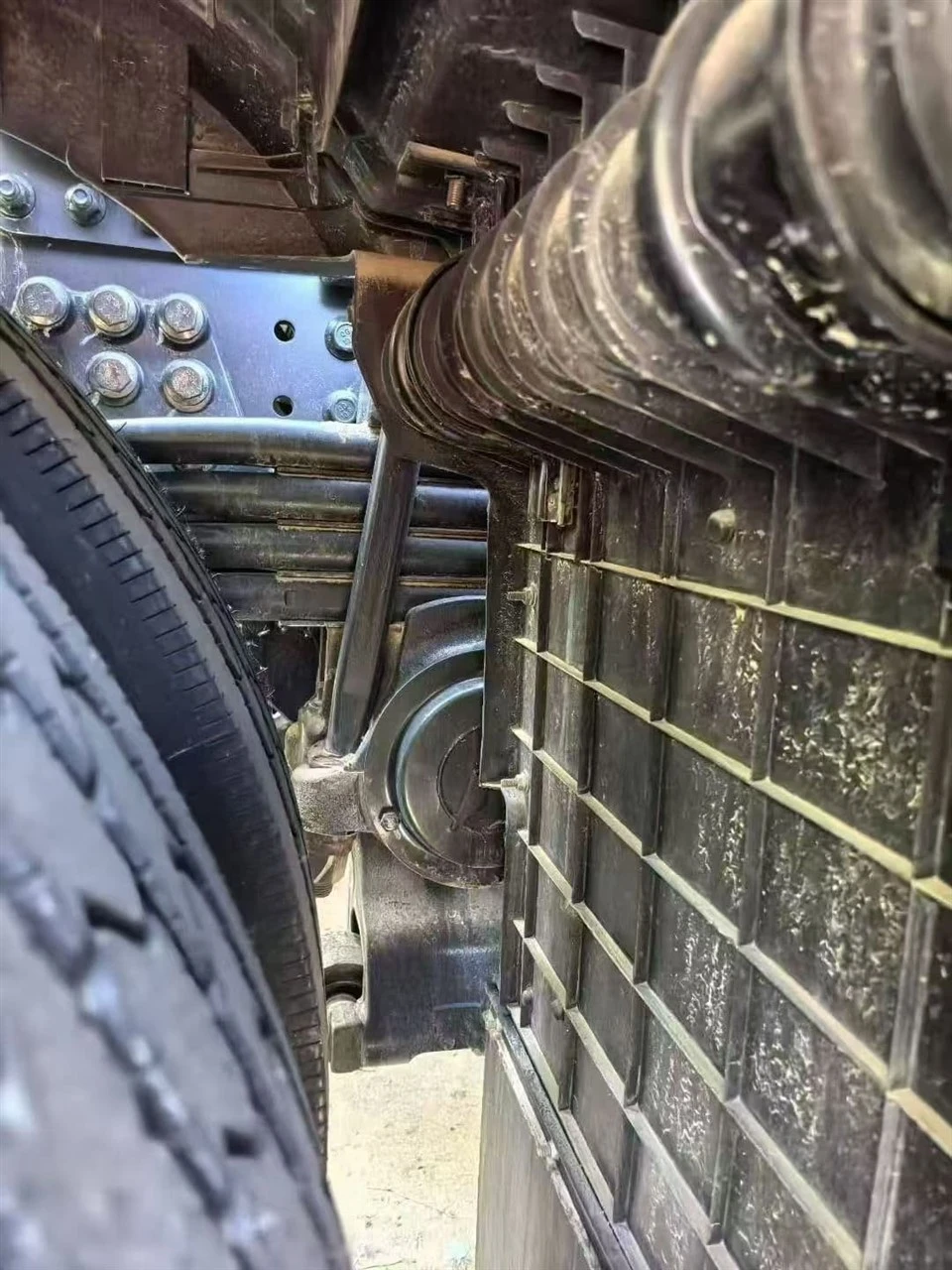
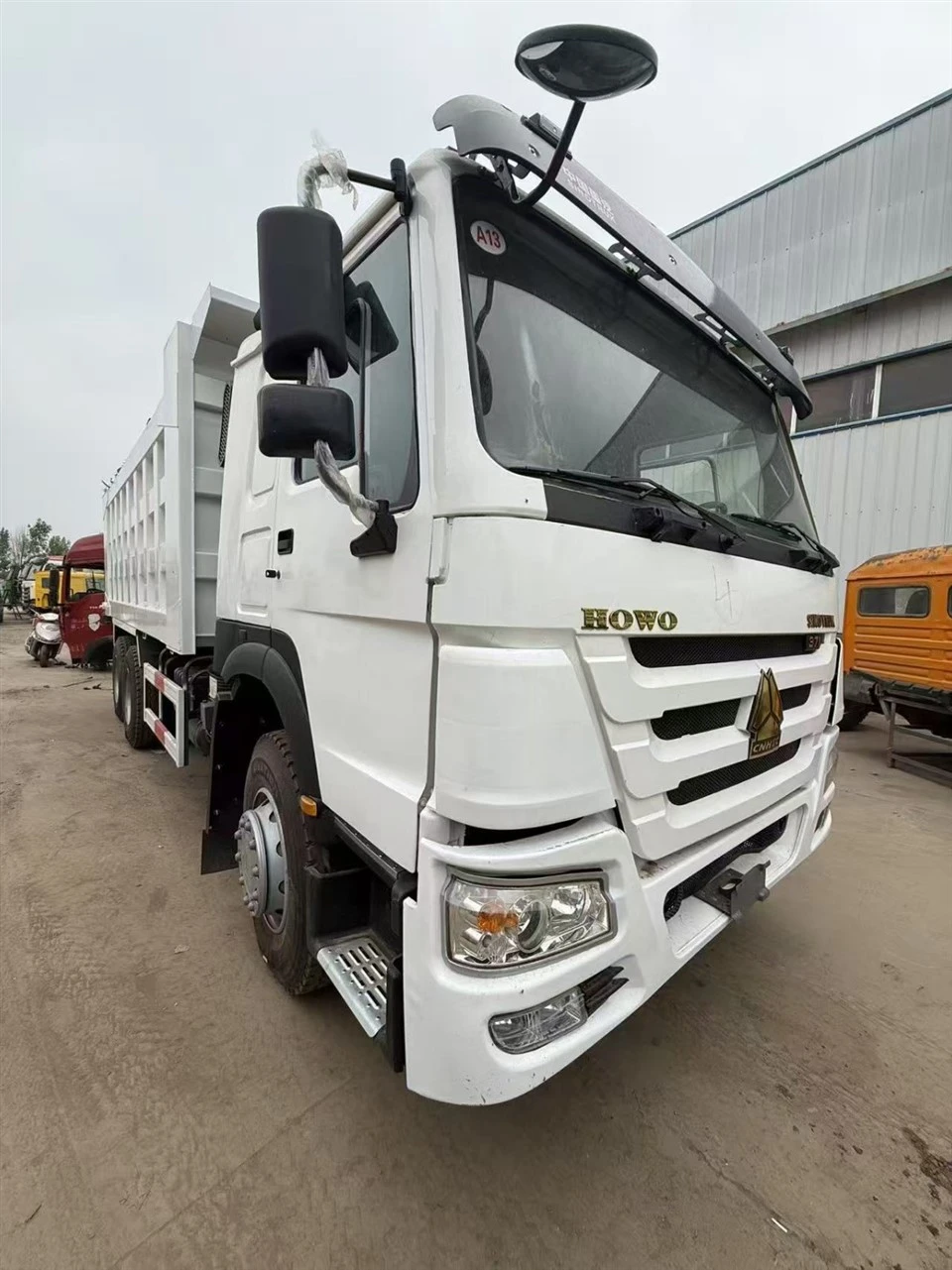
If you're going to be doing dump truck work, a Refurbished Truck Dump Body 4×371 Engine New Tires Cab could be a great option. It's refurbished, which means it's been restored to good working condition, and it has a powerful engine and new tires, ensuring reliability.
For long - haul transportation, an electric tractor like the Beiben V3 Electric Tractor is worth considering. Electric trucks are more environmentally friendly and can save you money on fuel costs in the long run.
If you'll be transporting containers, a Container - type Semi - trailer Truck is the way to go. These trucks are designed specifically for carrying containers, making them ideal for shipping goods in bulk.
When choosing trucks, also think about their maintenance requirements. Look for models that are known for their durability and ease of maintenance. This will help you avoid costly breakdowns and keep your business running smoothly.
4. Obtain the Necessary Permits and Licenses
The trucking industry is highly regulated, and you need to obtain the right permits and licenses to operate legally. First, you'll need a Commercial Driver's License (CDL) if you plan to drive the trucks yourself or if you're hiring drivers. Make sure your drivers meet all the requirements for a CDL, including passing a written and practical exam.
You'll also need to register your business with the appropriate state and federal agencies. This includes getting an Employer Identification Number (EIN) from the IRS. Depending on the type of freight you'll be hauling and the routes you'll be taking, you may need additional permits, such as over - size or overweight permits.
Insurance is another crucial aspect. You need to have liability insurance to protect your business in case of an accident. Cargo insurance is also important to cover any damage or loss of the goods you're transporting.
5. Hire the Right Staff
Your drivers are the heart of your trucking business. When hiring drivers, look for experienced and reliable individuals. Check their driving records to make sure they have a clean history. You can also conduct background checks to ensure they have a good character.
In addition to drivers, you may need to hire office staff to handle administrative tasks like scheduling, invoicing, and customer service. Make sure your staff is well - trained and has the necessary skills to support your business operations.
6. Set Up a Maintenance Schedule
Regular maintenance is essential to keep your trucks in good condition. Set up a maintenance schedule for each truck, including oil changes, tire rotations, and brake inspections. This will help you catch any potential problems early and prevent major breakdowns.
You can either have an in - house maintenance team or outsource the maintenance to a professional mechanic. If you choose to outsource, make sure you work with a reputable mechanic who has experience working on the types of trucks you own.
7. Build Relationships with Customers
Building strong relationships with your customers is key to the success of your trucking business. Provide excellent customer service by being responsive to their needs and concerns. Keep them updated on the status of their shipments and be transparent about any delays or issues.
Offer competitive pricing, but also focus on the quality of your services. Word - of - mouth is a powerful marketing tool in the trucking industry. Satisfied customers are more likely to recommend your business to others.
8. Stay Up - to - Date with Industry Trends
The trucking industry is constantly evolving. Stay informed about the latest trends, such as new technologies, changes in regulations, and shifts in the market. For example, the increasing popularity of electric and autonomous trucks could have a significant impact on the industry in the future.
By staying up - to - date, you can adapt your business strategy accordingly and stay ahead of the competition.
Contact for Procurement and Business Discussion
If you're interested in starting your trucking business and need high - quality trucks, we're here to help. Whether you're looking for a dump truck, an electric tractor, or a container - type semi - trailer truck, we have a wide range of options to meet your needs. Reach out to us to discuss your procurement requirements and let's work together to make your trucking business a success.
References
- Federal Motor Carrier Safety Administration (FMCSA) regulations
- Industry reports on trucking market trends
- Guides on starting a small business in the transportation sector