

How to train workers to operate agricultural machinery effectively?
As an agricultural machinery supplier, I understand the critical role that well - trained workers play in the effective operation of agricultural equipment. In this blog, I will share some insights on how to train workers to operate agricultural machinery effectively.
Understanding the Machinery
Before any training begins, it is essential to provide workers with a comprehensive understanding of the agricultural machinery they will be operating. This includes both theoretical knowledge and hands - on experience.

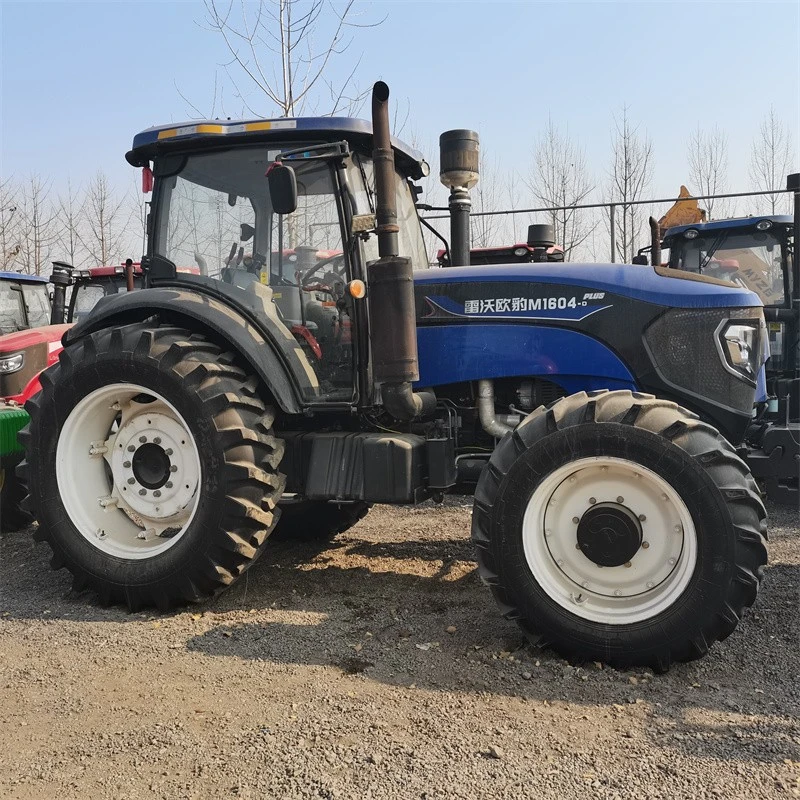
Theoretical Training
- Technical Specifications: Start by teaching the workers about the technical specifications of the machinery. For example, when it comes to tractors like the Lovolp M1604 - 5r Agricultural Tractor, Lovolp M3004 - 7n Agricultural Tractor, and Lovolp M2404 - 7n Agricultural Tractor, explain details such as engine power, fuel consumption, lifting capacity, and speed ranges. Workers need to know these specifications to understand the capabilities and limitations of the machinery.
- Safety Features: Safety should always be a top priority. Teach workers about the safety features of the machinery, such as roll - over protection structures (ROPS), seat belts, and emergency stop buttons. Explain how these features work and why they are crucial for preventing accidents.
- Operating Principles: Provide an in - depth explanation of the operating principles of the machinery. For tractors, this could include how the transmission system works, how to engage different gears, and how the hydraulic system operates for attaching and using implements.
Hands - on Training
- Familiarization: Once workers have a basic understanding of the theoretical aspects, allow them to get hands - on with the machinery. Start with a simple familiarization process, where they can sit in the operator's seat, identify the controls, and learn how to start and stop the engine safely.
- Practice Sessions: Set up practice sessions in a controlled environment, such as an empty field. Have workers practice basic operations like driving forward and backward, turning, and using the hydraulic controls to lift and lower implements. Provide step - by - step guidance and feedback during these sessions.
Developing Practical Skills
After workers have a good understanding of the machinery, the next step is to develop their practical skills.
Implement Attachment and Detachment
- Training on Implements: Different agricultural tasks require different implements. Train workers on how to properly attach and detach implements such as plows, harrows, and seeders. Teach them about the correct alignment, locking mechanisms, and hydraulic connections.
- Safety Precautions: Emphasize the safety precautions to be taken during implement attachment and detachment. For example, make sure the tractor is turned off and the parking brake is engaged before working on the implements.
Precision Operation
- Row Cropping: In row - cropping operations, precision is key. Train workers on how to maintain straight rows while planting or cultivating. This may involve using guidance systems, if available, and teaching them how to make small adjustments to the tractor's steering to stay on course.
- Depth Control: For tasks like plowing and tilling, depth control is crucial. Show workers how to adjust the depth of the implements using the hydraulic controls on the tractor. Provide examples of the appropriate depths for different soil types and crops.
Maintenance and Troubleshooting
- Basic Maintenance: Teach workers about the basic maintenance tasks for the agricultural machinery, such as checking the oil level, tire pressure, and cleaning the air filters. Provide a maintenance schedule and show them how to perform these tasks safely.
- Troubleshooting: Train workers to identify common problems with the machinery, such as engine starting issues, hydraulic leaks, or abnormal noises. Teach them how to perform basic troubleshooting steps, such as checking for loose connections or low fluid levels, and when to call for professional help.
Safety Training
Safety is an integral part of training workers to operate agricultural machinery effectively.
Personal Protective Equipment (PPE)
- Training on PPE: Ensure that workers understand the importance of wearing appropriate personal protective equipment. This may include safety helmets, safety glasses, ear protection, and steel - toed boots. Provide training on how to properly wear and maintain the PPE.
- Compliance: Enforce strict compliance with PPE requirements. Make it clear that no one is allowed to operate the machinery without wearing the necessary protective gear.
Hazard Awareness
- Identifying Hazards: Train workers to identify potential hazards in the work environment, such as uneven terrain, overhead power lines, and other obstacles. Teach them how to assess the risks associated with these hazards and how to take appropriate precautions.
- Emergency Procedures: Develop and train workers on emergency procedures, such as what to do in case of an accident, fire, or equipment failure. Conduct regular emergency drills to ensure that workers are prepared to respond quickly and effectively.
Continuous Training and Evaluation
Training is not a one - time event. It should be an ongoing process to ensure that workers stay up - to - date with the latest technologies and best practices.
Regular Refresher Courses
- New Technologies: As agricultural machinery continues to evolve, new technologies are being introduced. Provide regular refresher courses to train workers on these new technologies, such as advanced guidance systems, automated controls, and precision agriculture tools.
- Safety Updates: Keep workers informed about any safety updates or changes in regulations related to agricultural machinery operation. Conduct regular safety meetings to reinforce safety procedures and address any concerns.
Performance Evaluation
- Regular Assessments: Conduct regular performance evaluations of workers' machinery operation skills. This can be done through practical tests, where workers are evaluated on their ability to perform specific tasks safely and efficiently.
- Feedback and Improvement: Provide constructive feedback to workers based on the performance evaluations. Identify areas where they need improvement and develop a plan to help them enhance their skills.
Conclusion
Training workers to operate agricultural machinery effectively is a multi - faceted process that requires a combination of theoretical knowledge, practical skills development, safety training, and continuous evaluation. By following these steps, you can ensure that your workers are well - equipped to operate the machinery safely and efficiently, which will ultimately lead to increased productivity and reduced downtime.
If you are interested in purchasing high - quality agricultural machinery or need further information on training programs, we are here to assist you. Contact us for more details and let's start a productive discussion about your agricultural machinery needs.
References
- Agricultural Machinery Manufacturers' Manuals
- Safety Regulations and Guidelines provided by relevant authorities
- Industry - specific training materials and resources