

How to transport a Cat D7h Bulldozer?
Hey there! I'm a supplier of Cat D7h Bulldozers, and I often get asked about how to transport these hefty machines. It's not as simple as just hooking it up and driving off. There are a bunch of things to consider to make sure the transport goes smoothly and safely. In this blog, I'll walk you through the whole process, sharing some tips and tricks I've picked up over the years.
Pre - transport Preparations
First things first, you gotta do a thorough inspection of the Cat D7h Bulldozer. Check for any loose parts, leaks, or damage. You don't want something falling off during transit and causing an accident. Make sure all the fluids are at the right levels, and the tracks are in good condition.
Next, you need to get the necessary paperwork in order. This includes permits for oversized loads if the bulldozer exceeds the standard dimensions. Different states and countries have different regulations, so it's crucial to do your homework. You don't want to get pulled over and fined because you didn't have the right permits.
Choosing the Right Transport Method
There are a few options when it comes to transporting a Cat D7h Bulldozer. The most common methods are using a low - bed trailer or a flatbed truck.
A low - bed trailer is a great choice because it has a lower deck height, which means a lower center of gravity. This makes it more stable during transport, especially when going over bumps or around corners. It can also handle the weight of the bulldozer better.
On the other hand, a flatbed truck is more versatile. It's easier to load and unload in some situations, and it can be used for other types of cargo too. However, it might not be as stable as a low - bed trailer, especially for long - distance hauls.
Loading the Bulldozer
Loading the Cat D7h onto the trailer or truck is a critical step. You need to make sure it's centered and balanced properly. Use ramps to drive the bulldozer onto the transport vehicle. The ramps should be sturdy and long enough to provide a gentle incline.
Once the bulldozer is on the trailer, secure it tightly. Use heavy - duty chains and straps to prevent it from shifting during transit. Attach the chains to the designated tie - down points on the bulldozer and the trailer. Make sure the chains are tight but not so tight that they damage the bulldozer.

During Transport
During the journey, the driver needs to be extra careful. The Cat D7h is a large and heavy machine, so it affects the handling of the transport vehicle. The driver should avoid sudden stops and starts, and take corners slowly.
It's also a good idea to have someone follow the transport vehicle, especially for long - distance trips. This person can keep an eye on the bulldozer and the transport vehicle and alert the driver if there are any issues.
Unloading the Bulldozer
When you reach the destination, it's time to unload the bulldozer. Reverse the loading process. Make sure the ramps are set up safely and the area is clear. Slowly drive the bulldozer off the trailer or truck.
After unloading, do another inspection of the bulldozer to make sure it wasn't damaged during transport. If you notice any issues, document them and contact the transport company immediately.
Related Construction Machinery
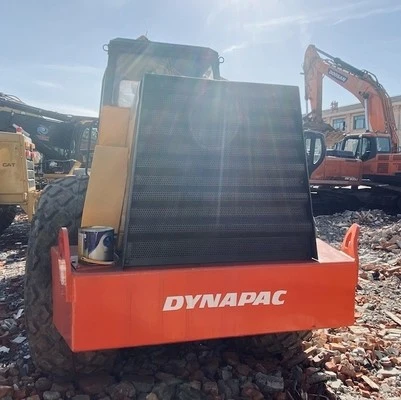
If you're in the construction business, you might also be interested in other types of machinery. For example, the Komatsu Pc700 - 8crawler Excavator is a powerful excavator that can handle large - scale digging projects. The Mitsubishi 430 Grader is great for leveling and grading surfaces. And the Dynapc Ca25 Rollers are essential for compacting soil and asphalt.
Conclusion
Transporting a Cat D7h Bulldozer requires careful planning and attention to detail. From pre - transport preparations to unloading at the destination, every step is important. By following the tips in this blog, you can ensure a safe and successful transport.
If you're interested in purchasing a Cat D7h Bulldozer or any of the related construction machinery I mentioned, don't hesitate to reach out. I'm here to help you with all your construction equipment needs. Whether you have questions about transport, pricing, or specifications, I'll do my best to provide you with the information you need. Let's start a conversation and see how we can work together to make your construction projects a success.
References
- Construction Equipment Handbook
- Transport Regulations Manual for Heavy Machinery