

How to transport oversized cargo in a cargo truck legally?
Transporting oversized cargo in a cargo truck is a complex yet crucial task that requires strict adherence to legal regulations. As a cargo truck supplier, I understand the challenges and intricacies involved in this process. In this blog, I'll share valuable insights on how to transport oversized cargo legally, ensuring both safety and compliance.
Understanding Oversized Cargo
Oversized cargo refers to any load that exceeds the standard legal dimensions and weight limits set by transportation authorities. These dimensions typically include length, width, height, and weight. The specific limits vary from country to country and even from state to state within a country. For instance, in the United States, the maximum legal width for most states is 8.5 feet, while the maximum height is generally 13.5 to 14 feet. Any cargo that surpasses these limits is considered oversized.
Pre - Transport Planning
Research and Permits
Before transporting oversized cargo, it's essential to conduct thorough research on the regulations of the routes you'll be taking. Different regions have different rules regarding oversized loads, and you must obtain the necessary permits. These permits can usually be obtained from the relevant state or local transportation departments. They specify the time, route, and conditions under which the oversized cargo can be transported.
For example, some permits may restrict travel to certain hours of the day, such as during daylight hours or off - peak traffic times. Failure to obtain the proper permits can result in hefty fines and legal issues.
Route Selection
Choosing the right route is critical for the safe and legal transport of oversized cargo. You need to consider factors such as road conditions, bridge clearances, and traffic patterns. Use mapping tools and local knowledge to identify the most suitable route. Avoid roads with low - clearance bridges, sharp turns, or narrow lanes that may pose a risk to the cargo or other road users.
Vehicle Selection
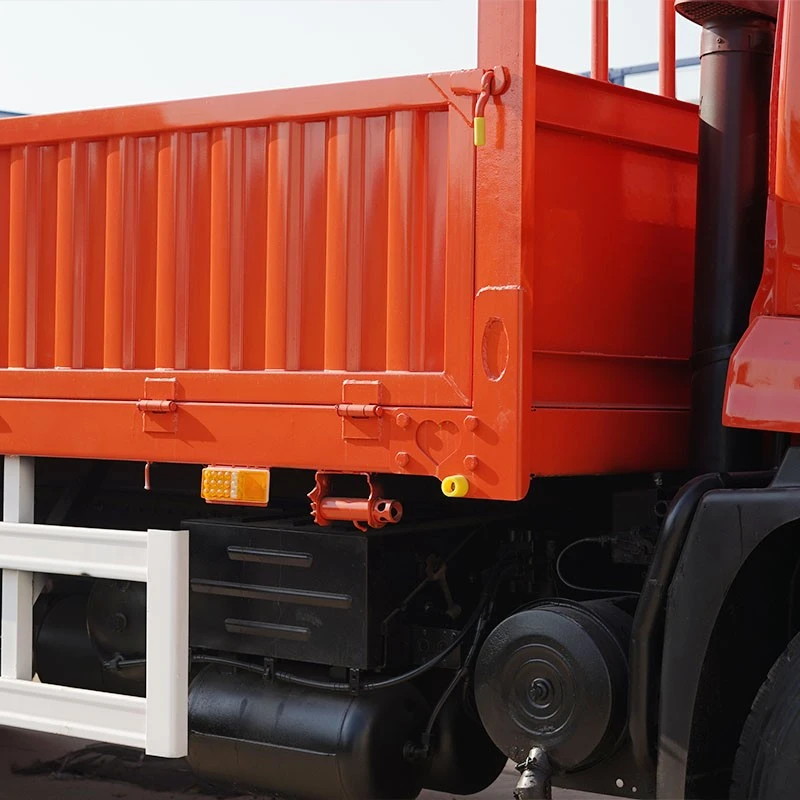
As a cargo truck supplier, I offer a variety of trucks suitable for transporting oversized cargo. For example, the Howo 6x4 Cargo Truck is a powerful and reliable option. It has a robust chassis and a large cargo capacity, making it suitable for medium - sized oversized loads. The Dongfeng 4x2 Cargo Truck is more maneuverable and can be a good choice for smaller oversized items, especially in urban areas. For extremely large and heavy oversized cargo, the Howo N7w 8x4 Cargo Truck provides the necessary strength and stability.
Loading and Securing the Cargo
Proper Loading
The way the oversized cargo is loaded onto the truck is crucial. It should be centered and balanced to prevent shifting during transit. Use appropriate loading equipment such as cranes or forklifts to ensure safe and accurate placement. The weight of the cargo should be evenly distributed across the truck's axles to comply with weight limits and maintain stability.
Securing the Cargo
Once the cargo is loaded, it must be properly secured. Use high - quality straps, chains, and other securing devices to prevent movement. The securing methods should be in line with industry standards and legal requirements. For example, the cargo should be secured in multiple points to prevent it from tipping or sliding. Inspect the securing devices regularly during the journey to ensure they remain tight and effective.
During Transport
Safety Measures
Safety is of utmost importance when transporting oversized cargo. The truck driver should be well - trained and experienced in handling oversized loads. They should follow all traffic rules and regulations, drive at a safe speed, and maintain a safe distance from other vehicles. Additionally, the truck should be equipped with appropriate safety signs and warning lights to alert other road users of the oversized cargo.
Communication
Establish clear communication channels during the transport. The driver should be in constant contact with the dispatch team and any escort vehicles. This ensures that any issues or changes in the situation can be addressed promptly. For example, if there is an unexpected road closure or a change in traffic conditions, the driver can be informed and redirected accordingly.
Post - Transport
Inspection
After the transport is completed, conduct a thorough inspection of the truck and the cargo. Check for any damage to the truck or the cargo during transit. This inspection can help identify any issues that need to be addressed and also ensure that the truck is in good condition for future use.
Documentation
Keep all relevant documentation related to the transport, including permits, route plans, and inspection reports. This documentation can be used for record - keeping and in case of any legal inquiries or audits.
Conclusion
Transporting oversized cargo legally requires careful planning, compliance with regulations, and a focus on safety. As a cargo truck supplier, I am committed to providing high - quality trucks and support to ensure that your oversized cargo is transported safely and legally. If you are in need of a reliable cargo truck for oversized cargo transport or have any questions about the process, I encourage you to reach out to me for more information and to discuss your specific requirements.
References
- Federal Motor Carrier Safety Administration (FMCSA) regulations
- State and local transportation department guidelines
- Industry best practices for cargo transport