

How to winterize a special truck?
As a seasoned supplier of special trucks, I understand the unique challenges that come with preparing these vehicles for the winter months. Special trucks, such as Box Semi Trailer, Howo 8x4 Water Tank, and Fuel Tank Trailer, have distinct features and requirements that demand careful attention when winterizing. In this blog post, I'll share some comprehensive tips on how to winterize a special truck effectively.
Pre - winter Inspection
Before the cold weather sets in, a thorough inspection of the special truck is crucial. Start with the exterior. Check the body for any signs of damage, such as dents or scratches that could lead to rust in the winter moisture. Pay close attention to the seals around doors, windows, and hatches. Damaged seals can let in cold air and moisture, which can cause problems like freezing of internal components.
Inspect the tires carefully. Winter driving conditions require good traction. Check the tire pressure regularly as cold weather can cause the air inside the tires to contract, leading to under - inflated tires. Make sure the tread depth is sufficient. For special trucks that operate in areas with heavy snow or ice, consider using winter tires or tire chains.
Under the hood, examine the engine coolant. The coolant should have the right mixture of antifreeze to prevent the engine from freezing. A 50/50 mixture of antifreeze and water is a common recommendation, but it may vary depending on the climate in your area. Check the radiator for any leaks or blockages. A clogged radiator can lead to overheating in cold weather, which is counter - intuitive but a real risk.
The battery is another critical component. Cold weather can significantly reduce a battery's performance. Test the battery's charge and its ability to hold a charge. Clean the battery terminals to ensure a good connection. If the battery is old or weak, it's advisable to replace it before winter.

Protecting the Fuel System
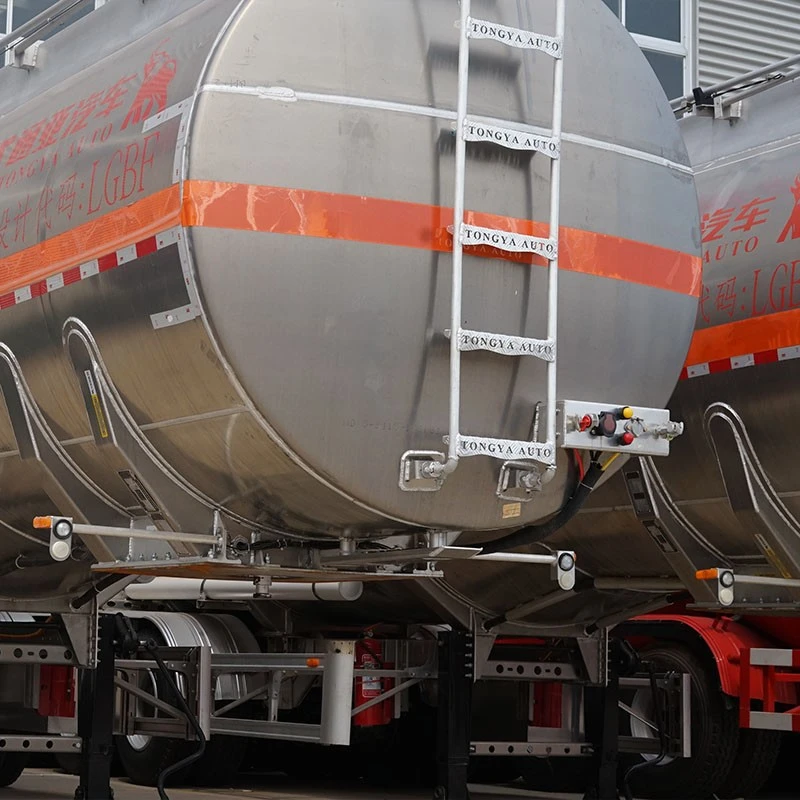
For special trucks like the Fuel Tank Trailer, protecting the fuel system is of utmost importance. Diesel fuel can gel in cold temperatures, which can clog the fuel lines and filters. Use a fuel additive designed to prevent gelling. These additives lower the cold filter plugging point (CFPP) of the diesel fuel, ensuring that it flows smoothly through the system.
Regularly drain the water separator in the fuel system. Water can accumulate in the fuel tank, and in cold weather, it can freeze and cause damage to the fuel system components. Check the fuel filters and replace them if necessary. A clogged fuel filter can restrict the fuel flow to the engine, leading to poor performance or even engine failure.
Maintaining the Braking System
The braking system of a special truck must be in top - notch condition during winter. Cold weather can affect the brake fluid's viscosity. Check the brake fluid level and its condition. If the brake fluid is dirty or has a low level, it should be replaced.
Inspect the brake pads and rotors for wear. Worn - out brake pads can compromise the braking performance, especially on slippery winter roads. Make sure the brake lines are free from leaks and damage. Any signs of corrosion or cracking in the brake lines should be addressed immediately.
Protecting the Cargo Area
If your special truck has a cargo area, such as the Box Semi Trailer, take steps to protect it from the cold and moisture. Insulate the cargo area if possible. This can help maintain a more stable temperature inside the trailer, which is important if you're transporting temperature - sensitive goods.
Clean the cargo area thoroughly before winter. Remove any debris or spills that could attract moisture and cause rust or mold. Check the ventilation system in the cargo area to ensure it's working properly. Good ventilation can prevent the buildup of condensation, which can damage the cargo and the trailer itself.
Special Considerations for Water - related Special Trucks
For trucks like the Howo 8x4 Water Tank, winterizing involves additional steps. Drain all the water from the tank and the associated plumbing system. Water left in the tank or pipes can freeze and expand, causing cracks and damage.
Insulate the water lines if they are exposed. This can prevent them from freezing during cold nights. If the truck has a heating system for the water tank, test it to make sure it's working correctly. A non - functioning heating system can lead to frozen water in the tank, rendering the truck inoperable.
Lubrication and Fluid Checks
All moving parts of the special truck need proper lubrication. Check the transmission fluid, power steering fluid, and differential fluid. Cold weather can thicken these fluids, making it harder for the components to operate smoothly. Use lubricants that are designed for cold - weather use.
Change the engine oil to a grade that is suitable for winter. Thinner oils flow more easily in cold temperatures, ensuring that the engine is properly lubricated during startup.
Parking and Storage
When parking the special truck during winter, try to find a covered or insulated area. If this is not possible, use a truck cover to protect it from the elements. Elevate the tires slightly to prevent flat - spotting, which can occur when the tires are left in one position for an extended period in cold weather.
If the truck is going to be stored for an extended period, take additional steps to prevent damage. Disconnect the battery to avoid self - discharge. Add a fuel stabilizer to the fuel tank to prevent the fuel from deteriorating.
Conclusion
Winterizing a special truck is a comprehensive process that requires attention to detail. By following these steps, you can ensure that your special truck, whether it's a Box Semi Trailer, Howo 8x4 Water Tank, or Fuel Tank Trailer, is well - prepared for the harsh winter conditions.
If you're in the market for a high - quality special truck or need further advice on winterizing your existing vehicle, I encourage you to reach out for a procurement discussion. Our team of experts is ready to assist you in making the best decisions for your special truck needs.
References
- SAE International. "Guidelines for Vehicle Winterization."
- American Trucking Associations. "Winter Maintenance Best Practices for Trucks."