

What are the advantages of using a tractor?
As a dedicated tractor supplier, I've witnessed firsthand the transformative impact tractors have on various industries. Tractors are not just powerful machines; they are the backbone of modern agriculture, construction, and logistics. In this blog, I'll delve into the numerous advantages of using a tractor, highlighting how these versatile vehicles can enhance efficiency, productivity, and profitability.
1. High - Power and Versatility
Tractors are engineered to handle heavy - duty tasks with ease. Their powerful engines provide the necessary torque to pull large loads, whether it's plowing fields in agriculture or hauling construction materials. For instance, in farming, a tractor can be equipped with different implements such as plows, harrows, and seeders. This versatility allows farmers to perform multiple tasks with a single machine, reducing the need for a fleet of specialized equipment.
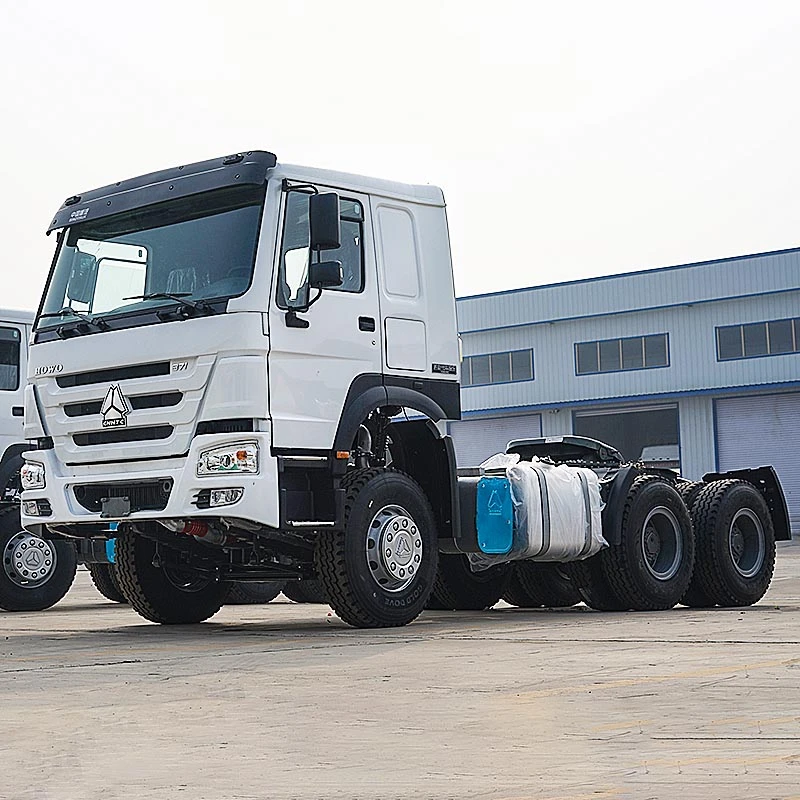
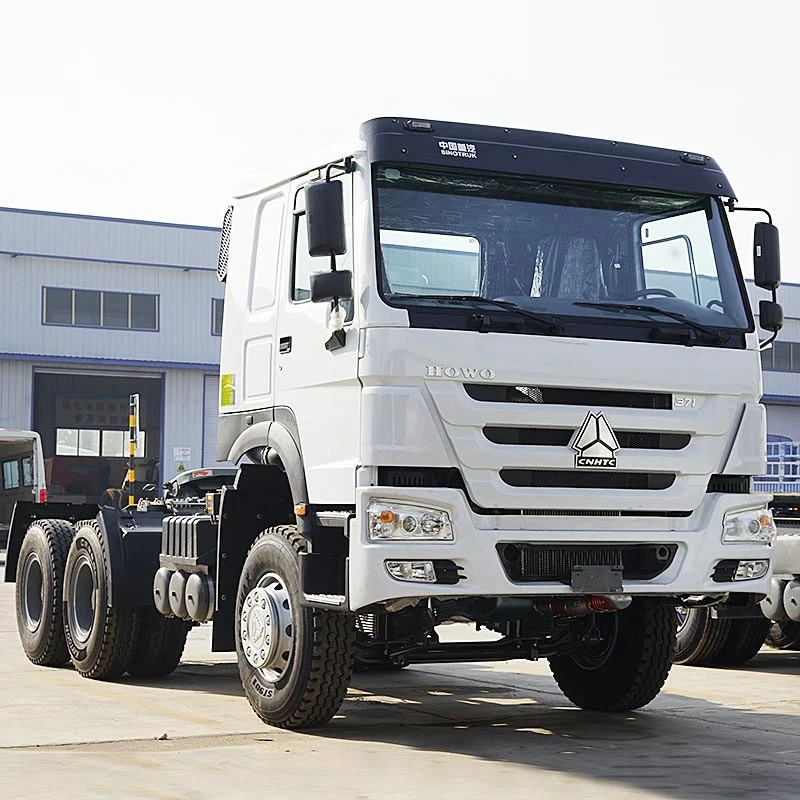
In the construction industry, tractors can be used for earth - moving operations. They can pull bulldozer blades or trailers filled with debris, making them indispensable on job sites. Moreover, in the logistics sector, tractors like the Howo T7h 4x2 Tractor are designed to tow semi - trailers, transporting goods over long distances efficiently.
2. Increased Productivity
One of the most significant advantages of using a tractor is the boost in productivity it offers. In agriculture, manual labor for tasks like tilling and planting can be extremely time - consuming. A tractor can cover large areas in a fraction of the time it would take a human worker. For example, a modern tractor can plow several acres of land in a day, compared to the limited area that can be tilled by hand.
In construction, tractors can quickly move large amounts of materials around the site, reducing downtime between different construction phases. This rapid movement of resources allows projects to be completed faster, increasing the overall output of the construction company. In logistics, tractors can make multiple trips in a day, ensuring that goods are delivered on time, which is crucial for maintaining supply chain efficiency.
3. Cost - Effectiveness
Although the initial investment in a tractor can be substantial, it proves to be cost - effective in the long run. By performing multiple tasks, tractors eliminate the need to purchase and maintain several specialized machines. For example, instead of buying a separate plow, harrow, and seeder, a farmer can invest in a tractor and the necessary attachments. This not only saves on the purchase cost but also on storage and maintenance expenses.
In addition, tractors are designed for durability. With proper maintenance, they can last for many years, providing a long - term return on investment. In the logistics industry, tractors like the Howo 6x4 Tractor are fuel - efficient, which helps to reduce operating costs over time.
4. Precision and Accuracy
Tractors are equipped with advanced technology that allows for precise operation. In agriculture, GPS - guided tractors can perform tasks with high accuracy, such as planting seeds at the exact spacing and depth required. This precision leads to better crop yields as plants have optimal growing conditions.
In construction, tractors can be used to level the ground with great accuracy, ensuring a stable foundation for buildings. The ability to control the speed, direction, and force of the tractor's movement means that tasks can be completed with a high degree of precision, reducing the margin of error and the need for rework.
5. Adaptability to Different Terrains
Tractors are built to operate in a variety of terrains. Whether it's the soft soil of a farm, the rough terrain of a construction site, or the long - distance highways in logistics, tractors can handle it all. Their large, sturdy tires provide good traction on different surfaces, allowing them to move smoothly even in challenging conditions.
For example, in hilly or mountainous areas, tractors can be equipped with special features to improve stability and maneuverability. This adaptability makes tractors a reliable choice for industries that operate in diverse geographical locations.
6. Safety Features
Modern tractors come with a range of safety features. In the cabin, there are seat belts, roll - over protection structures (ROPS), and airbags to protect the operator in case of an accident. Tractors also have advanced braking systems and lighting, which enhance safety during operation, especially in low - visibility conditions.
In addition, many tractors are equipped with sensors and warning systems that alert the operator to potential problems, such as low tire pressure or engine malfunctions. These safety features not only protect the operator but also reduce the risk of damage to the tractor and the surrounding environment.
7. Job Creation and Economic Growth
The use of tractors has a positive impact on the economy. In the agricultural sector, tractors increase productivity, which leads to higher crop yields. This, in turn, can create jobs in areas such as harvesting, processing, and distribution. In the construction industry, tractors enable faster project completion, which can lead to more construction projects being undertaken, creating jobs for workers at all levels.
In the logistics industry, the efficient operation of tractors ensures the smooth flow of goods, which is essential for the growth of businesses. The demand for tractors also drives the manufacturing and maintenance sectors, creating jobs in these industries as well.
8. Environmental Benefits
Some modern tractors are designed to be more environmentally friendly. They are equipped with engines that meet strict emission standards, reducing the amount of pollutants released into the atmosphere. In addition, the increased efficiency of tractors means that less fuel is consumed per unit of work, which helps to conserve natural resources.
In agriculture, the precision farming techniques enabled by tractors can reduce the use of fertilizers and pesticides. By applying these chemicals only where they are needed, tractors help to minimize the environmental impact of farming.
Conclusion
The advantages of using a tractor are numerous and far - reaching. From enhancing productivity and efficiency to providing cost - effectiveness and environmental benefits, tractors are essential machines in modern industries. Whether you're a farmer looking to increase your crop yields, a construction company aiming to complete projects faster, or a logistics provider seeking to optimize your supply chain, a tractor can be a valuable asset.
If you're interested in learning more about our range of tractors, including the Howo T7h 6x4 Tractor, and how they can meet your specific needs, we invite you to contact us for a procurement discussion. Our team of experts is ready to assist you in finding the perfect tractor solution for your business.
References
- "Agricultural Machinery and Equipment: A Comprehensive Guide" by John Doe
- "Construction Equipment Handbook" by Jane Smith
- "Logistics and Supply Chain Management" by Robert Johnson