

What are the control systems of construction machinery?
In the dynamic world of construction, machinery stands as the backbone of any project, enabling the transformation of architectural blueprints into tangible structures. At the heart of these powerful machines lies a sophisticated network of control systems that govern their every move, ensuring precision, efficiency, and safety. As a leading supplier of construction machinery, I've witnessed firsthand the evolution of these control systems and their profound impact on the industry. In this blog, I'll delve into the intricacies of construction machinery control systems, exploring their types, functions, and the latest advancements that are shaping the future of construction.
Types of Control Systems in Construction Machinery
Manual Control Systems
Manual control systems are the most basic form of control in construction machinery. They rely on the operator's direct physical input to manipulate the machine's functions. For example, a simple lever or joystick is used to control the movement of a bulldozer's blade or the rotation of a crane's boom. While manual control systems are straightforward and easy to understand, they require a high level of skill and physical effort from the operator. They are also limited in terms of precision and efficiency, as the operator's reaction time and physical strength can affect the machine's performance.

Hydraulic Control Systems
Hydraulic control systems are widely used in construction machinery due to their high power density and ability to transmit force over long distances. These systems use pressurized hydraulic fluid to operate various components of the machine, such as cylinders, motors, and valves. The operator controls the flow and pressure of the hydraulic fluid using a control valve, which in turn activates the desired function of the machine. Hydraulic control systems offer several advantages, including high force output, smooth operation, and the ability to handle heavy loads. However, they require regular maintenance to prevent leaks and ensure optimal performance.
Electronic Control Systems
Electronic control systems have revolutionized the construction machinery industry in recent years. These systems use sensors, microprocessors, and actuators to monitor and control the machine's functions in real-time. The sensors collect data on various parameters, such as engine speed, hydraulic pressure, and position, and transmit it to the microprocessor. The microprocessor then analyzes the data and sends commands to the actuators to adjust the machine's operation accordingly. Electronic control systems offer several benefits, including increased precision, improved efficiency, and enhanced safety. They also enable the integration of advanced features, such as automatic leveling, load sensing, and diagnostic capabilities.
Hybrid Control Systems
Hybrid control systems combine the advantages of hydraulic and electronic control systems to provide a more flexible and efficient solution. These systems use hydraulic actuators for high-power applications, such as lifting and digging, and electronic controls for precise positioning and monitoring. The electronic controls can also be used to optimize the hydraulic system's performance, reducing energy consumption and improving overall efficiency. Hybrid control systems are becoming increasingly popular in construction machinery, as they offer the best of both worlds in terms of power, precision, and efficiency.
Functions of Control Systems in Construction Machinery
Movement Control
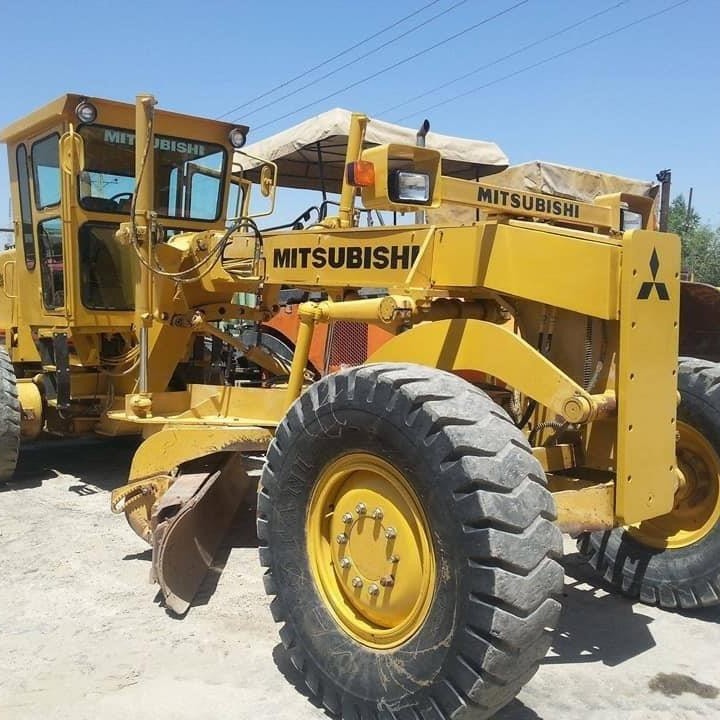
One of the primary functions of control systems in construction machinery is to control the movement of the machine. This includes functions such as forward and reverse motion, steering, and lifting. The control system ensures that the machine moves smoothly and accurately, allowing the operator to perform tasks with precision. For example, in a Mitsubishi 430 Grader, the control system regulates the movement of the blade to create a smooth and level surface.
Load Control
Load control is another important function of control systems in construction machinery. The control system monitors the load on the machine and adjusts its operation accordingly to prevent overloading and ensure safe and efficient operation. For example, in a Dynapc Ca25 Rollers, the control system adjusts the vibration frequency and amplitude based on the type and thickness of the material being compacted.
Safety Control
Safety is a top priority in the construction industry, and control systems play a crucial role in ensuring the safety of operators and workers. The control system includes various safety features, such as emergency stop buttons, overload protection, and anti-collision sensors. These features help to prevent accidents and protect the machine and its operators from damage. For example, in a Sany Sy135c-9 Hydraulic Excavator, the control system includes a collision avoidance system that alerts the operator if the machine is approaching an obstacle.
Diagnostic and Monitoring
Modern control systems in construction machinery are equipped with diagnostic and monitoring capabilities that allow the operator to monitor the machine's performance and detect potential problems before they become serious. The control system can collect data on various parameters, such as engine temperature, hydraulic pressure, and fuel consumption, and display it on a dashboard or transmit it to a remote monitoring system. This helps the operator to identify and address issues quickly, reducing downtime and maintenance costs.
Latest Advancements in Construction Machinery Control Systems
Automation and Autonomous Operation
Automation and autonomous operation are the future of construction machinery. The latest control systems are capable of performing tasks automatically, without the need for human intervention. For example, some excavators can now dig trenches and load trucks autonomously, using sensors and algorithms to navigate the job site and perform the required tasks. Autonomous operation offers several benefits, including increased productivity, improved safety, and reduced labor costs.
Connectivity and Telematics
Connectivity and telematics are also becoming increasingly important in construction machinery control systems. These systems allow the machine to communicate with other devices and systems, such as smartphones, tablets, and cloud-based platforms. The operator can use these devices to monitor the machine's performance, receive alerts and notifications, and even control the machine remotely. Telematics also enables the collection and analysis of data on the machine's usage, maintenance history, and performance, which can be used to optimize operations and reduce costs.
Energy Efficiency
Energy efficiency is a key concern in the construction industry, and control systems are playing an important role in improving the energy efficiency of construction machinery. The latest control systems are designed to optimize the machine's operation, reducing energy consumption and emissions. For example, some hydraulic control systems use load sensing technology to adjust the hydraulic pump's output based on the actual load, reducing energy waste.
Conclusion
Control systems are the brains behind construction machinery, enabling these powerful machines to perform complex tasks with precision, efficiency, and safety. As a construction machinery supplier, I'm excited to see the latest advancements in control systems and their potential to transform the industry. Whether it's automation and autonomous operation, connectivity and telematics, or energy efficiency, these technologies are making construction machinery more intelligent, productive, and sustainable.
If you're in the market for construction machinery, I encourage you to explore our range of products, which are equipped with the latest control systems to meet your needs. Our team of experts is also available to provide you with more information and support, helping you to choose the right machine for your project. Contact us today to start the procurement process and take your construction projects to the next level.
References
- Construction Equipment Guide. (2023). The Evolution of Construction Machinery Control Systems.
- Equipment World. (2023). Advancements in Construction Machinery Automation and Telematics.
- SAE International. (2023). Energy Efficiency in Construction Machinery: Challenges and Solutions.