

What are the legal requirements for a trucking business?
What are the legal requirements for a trucking business?
As a truck supplier deeply involved in the industry, I've witnessed firsthand the complexities and nuances that come with running a trucking business. It's not just about having a fleet of reliable trucks; there are numerous legal requirements that need to be met to ensure compliance and the smooth operation of the business. In this blog, I'll delve into the key legal aspects that every trucking business owner should be aware of.
Licensing and Permits
One of the fundamental legal requirements for a trucking business is obtaining the appropriate licenses and permits. This includes a commercial driver's license (CDL) for all drivers operating commercial motor vehicles. A CDL is required for vehicles with a gross vehicle weight rating (GVWR) of 26,001 pounds or more, vehicles transporting 16 or more passengers (including the driver), or vehicles transporting hazardous materials.
In addition to the CDL, trucking companies may need various permits depending on the nature of their operations. For example, if you plan to transport goods across state lines, you'll need to obtain an Interstate Operating Authority from the Federal Motor Carrier Safety Administration (FMCSA). This authority is essential for companies engaged in interstate commerce and ensures that they meet certain safety and financial responsibility standards.
Furthermore, there are specific permits for hauling oversized or overweight loads. These loads exceed the standard size and weight limits set by state and federal regulations. Obtaining an oversized or overweight permit involves providing detailed information about the load, including its dimensions, weight, and the route it will take. Failure to obtain the necessary permits can result in hefty fines and legal consequences.
Insurance Requirements
Insurance is another critical aspect of running a trucking business. Adequate insurance coverage not only protects your business from financial losses but also ensures that you're compliant with the law. The FMCSA requires trucking companies to carry a minimum amount of liability insurance to cover damages and injuries caused by their vehicles.
The minimum liability insurance requirements vary depending on the type of cargo being transported. For example, trucks transporting non-hazardous property must have at least $750,000 in liability insurance, while those transporting hazardous materials may need up to $5 million in coverage. In addition to liability insurance, trucking companies may also need to carry physical damage insurance to cover damage to their vehicles.
It's important to note that insurance requirements can change, so it's crucial to stay updated on the latest regulations. Working with an experienced insurance agent who specializes in the trucking industry can help you navigate the complexities of insurance and ensure that you have the appropriate coverage for your business.
Safety Regulations
Safety is paramount in the trucking industry, and there are numerous regulations in place to ensure the safety of drivers, passengers, and the general public. The FMCSA enforces a wide range of safety regulations that trucking companies must comply with. These regulations cover areas such as driver qualifications, hours of service, vehicle maintenance, and cargo securement.
Driver qualifications are carefully regulated to ensure that only qualified and competent individuals are operating commercial motor vehicles. Drivers must meet certain age, medical, and training requirements before they can obtain a CDL. They must also pass regular drug and alcohol tests to ensure that they're fit to drive.
Hours of service regulations limit the number of hours a driver can operate a commercial motor vehicle without taking a break. These regulations are designed to prevent driver fatigue, which is a leading cause of trucking accidents. Drivers are required to keep accurate records of their hours of service, and violations can result in fines and suspension of driving privileges.
Vehicle maintenance is another crucial aspect of safety. Trucking companies are responsible for ensuring that their vehicles are in good working condition at all times. This includes regular inspections, maintenance, and repairs. The FMCSA requires trucks to undergo periodic safety inspections to ensure that they meet the minimum safety standards.
Cargo securement is also regulated to prevent cargo from shifting or falling off the truck during transit. There are specific rules regarding how cargo should be loaded, secured, and tied down to ensure its stability. Failure to properly secure cargo can not only cause damage to the cargo itself but also pose a significant safety risk to other drivers on the road.
Environmental Regulations
In recent years, there has been an increasing focus on environmental regulations in the trucking industry. Trucking companies are required to comply with various environmental laws and regulations to reduce their impact on the environment. This includes regulations related to emissions, fuel efficiency, and waste management.
Emissions regulations aim to reduce the amount of pollutants released into the atmosphere by commercial motor vehicles. Trucks are required to meet certain emissions standards set by the Environmental Protection Agency (EPA). These standards have become more stringent over the years, and trucking companies may need to invest in newer, more environmentally friendly vehicles to comply with the regulations.
Fuel efficiency is also a key concern in the trucking industry. The EPA has implemented regulations to improve the fuel efficiency of commercial motor vehicles. Trucking companies can take steps to improve their fuel efficiency, such as using aerodynamic devices, maintaining proper tire pressure, and optimizing their routes.
Waste management is another area where trucking companies need to be compliant. This includes proper disposal of waste materials generated by their vehicles, such as oil, coolant, and tires. Companies must follow the appropriate procedures for collecting, storing, and disposing of these waste materials to prevent environmental contamination.
Tax and Financial Regulations
Running a trucking business involves various tax and financial regulations that need to be carefully managed. Trucking companies are required to pay federal and state taxes, including income tax, fuel tax, and heavy vehicle use tax.
Fuel tax is a significant expense for trucking companies. The federal government and most states impose a tax on diesel fuel, which is used by the majority of commercial trucks. Trucking companies are required to keep accurate records of their fuel purchases and report their fuel tax liability on a regular basis.
The heavy vehicle use tax is a federal tax imposed on trucks with a GVWR of 55,000 pounds or more. This tax is based on the number of miles the truck is driven on public highways during the tax year. Trucking companies must file a Form 2290 with the Internal Revenue Service (IRS) to report and pay the heavy vehicle use tax.

In addition to taxes, trucking companies also need to manage their finances carefully. This includes maintaining accurate accounting records, managing cash flow, and ensuring that they have sufficient funds to cover their operating expenses. Working with a professional accountant who understands the unique financial challenges of the trucking industry can help you stay on top of your finances and ensure that you're compliant with the law.
Contact for Purchase and Negotiation
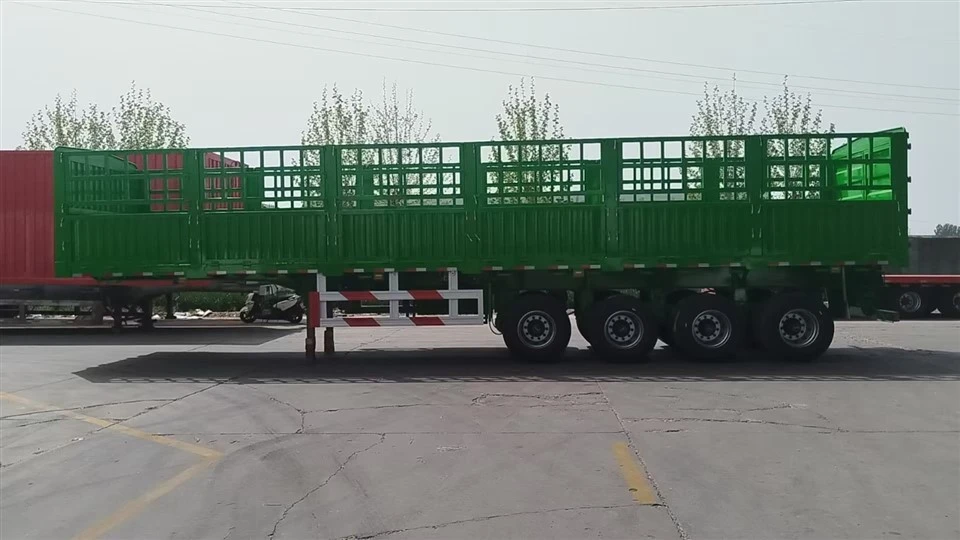
If you're in the market for high-quality trucks for your business, we have a wide range of options to meet your needs. We offer trucks such as the Beiben V3 Electric Tractor, JIEFANG JH6, 9.6 Meters, 4 High Hurdles in Front And 4 Rear, and Container-type Semi-trailer Truck. Our trucks are known for their reliability, performance, and compliance with all relevant legal requirements.
If you're interested in learning more about our trucks or would like to discuss your specific requirements, please don't hesitate to contact us. We're here to assist you in finding the perfect trucks for your business and can provide you with detailed information about our products and services.
References
- Federal Motor Carrier Safety Administration (FMCSA). (n.d.). Regulations and Guidance. Retrieved from [FMCSA website]
- Environmental Protection Agency (EPA). (n.d.). Commercial Vehicle Emissions and Fuel Efficiency Regulations. Retrieved from [EPA website]
- Internal Revenue Service (IRS). (n.d.). Heavy Vehicle Use Tax. Retrieved from [IRS website]