

What are the noise levels of different construction machinery?
Hey there! As a supplier of construction machinery, I often get asked about the noise levels of different equipment. It's a crucial factor, not just for the comfort of the operators but also for compliance with local noise regulations and minimizing the impact on the surrounding environment. In this blog, I'll share some insights into the noise levels of various construction machinery.
Let's start with excavators. These powerful machines are a staple on construction sites, used for digging, lifting, and moving large amounts of earth and debris. The noise level of an excavator can vary depending on its size, engine power, and the type of work it's doing. For instance, the Hyundai R220 Crawler Excavator is a popular mid - sized excavator. On average, it emits a noise level in the range of 90 - 95 decibels (dB) at the operator's ear. This is comparable to the noise level of a lawnmower. When the excavator is working at full throttle, say during heavy digging or lifting, the noise can go up a few decibels.
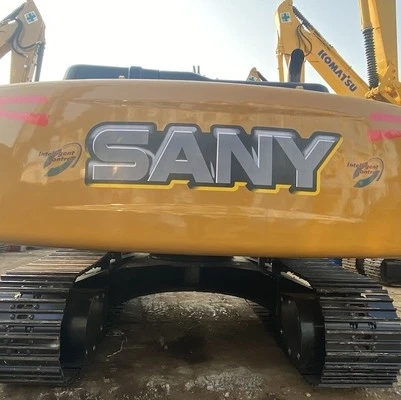
Now, take the Sany Sy365h Hydraulic Excavator. Being a larger and more powerful machine, it generally has a higher noise output. The noise level at the operator's position can be around 95 - 100 dB. This is similar to the noise you'd experience standing near a motorcycle. The additional power and larger engine size contribute to the increased noise. However, modern excavators come with advanced noise - reduction technologies. Manufacturers are constantly working on improving the design of the engine enclosures, using sound - absorbing materials, and optimizing the hydraulic systems to reduce noise emissions.
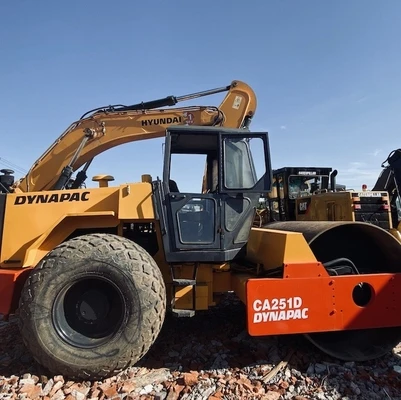
Next up are rollers. Rollers are used for compacting soil, asphalt, and other materials to create a solid and level surface. The Dynapc Ca25 Rollers are a common type of roller in the construction industry. The noise level of these rollers is typically in the range of 85 - 90 dB at the operator's ear. The noise mainly comes from the engine, the vibration of the drums, and the movement of the machine on the ground. The vibration of the drums, which is essential for the compaction process, creates a continuous, low - frequency noise.
Loaders are another important piece of construction machinery. They are used for loading materials such as gravel, sand, and dirt onto trucks or into other equipment. Smaller loaders, with a capacity of around 1 - 2 cubic yards, usually have a noise level of about 85 - 90 dB. Larger loaders, with a capacity of 3 - 5 cubic yards or more, can produce noise levels in the range of 90 - 95 dB. The noise is generated by the engine, the hydraulic system, and the movement of the loader's bucket.
Concrete mixers are also quite noisy. These machines are used to mix cement, water, and aggregates to create concrete. The noise level of a typical concrete mixer can be around 90 - 95 dB. The mixing process, which involves the rotation of the drum and the movement of the blades inside, creates a significant amount of noise. Additionally, the engine powering the mixer also contributes to the overall noise output.
So, why is it important to know about these noise levels? Well, for one, high noise levels can have a negative impact on the health of the operators. Prolonged exposure to noise levels above 85 dB can lead to hearing loss, stress, and other health problems. That's why it's essential for operators to wear proper hearing protection, such as earplugs or earmuffs.
From a regulatory perspective, many local authorities have strict noise limits for construction sites. If the noise levels of the machinery exceed these limits, the construction company may face fines or even have to halt the work until the issue is resolved. By choosing machinery with lower noise levels, construction companies can ensure compliance with the regulations and avoid any legal troubles.
Another aspect is the impact on the surrounding community. Construction sites are often located near residential areas, schools, and hospitals. High - noise construction machinery can cause a lot of disturbance to the people living and working in the vicinity. Using quieter machinery can help reduce this impact and maintain a good relationship with the local community.
When it comes to choosing the right construction machinery, noise level should be one of the factors you consider. At our company, we offer a wide range of construction machinery with different noise levels. We understand the importance of providing our customers with equipment that not only performs well but also meets the noise requirements.
If you're in the market for construction machinery and want to know more about the noise levels of our products, feel free to reach out to us. We can provide you with detailed information about each machine, including its noise output, performance, and price. Our team of experts is always ready to assist you in making the right choice for your construction projects. Whether you're a small - scale contractor or a large construction company, we have the machinery to meet your needs.
In conclusion, the noise levels of different construction machinery vary depending on their type, size, and power. By being aware of these noise levels, you can make informed decisions about the equipment you use, protect the health of your operators, comply with the regulations, and minimize the impact on the surrounding community. So, don't hesitate to get in touch with us if you're interested in purchasing construction machinery. We're here to help you find the perfect solution for your construction needs.
References
- Construction Equipment Noise: Impact and Mitigation Strategies, Journal of Construction Engineering and Management
- Noise Reduction Technologies in Modern Construction Machinery, International Journal of Construction Technology