

What are the regulations for cargo truck emissions testing?
As a cargo truck supplier, I understand the significance of cargo truck emissions testing regulations. These regulations are not only crucial for environmental protection but also play a vital role in ensuring the safety and efficiency of cargo transportation. In this blog post, I will delve into the various regulations governing cargo truck emissions testing, exploring the standards, procedures, and implications for truck operators and suppliers like myself.
The Importance of Emissions Testing
Emissions from cargo trucks contribute significantly to air pollution, releasing harmful pollutants such as nitrogen oxides (NOx), particulate matter (PM), carbon monoxide (CO), and hydrocarbons (HC) into the atmosphere. These pollutants have detrimental effects on human health, causing respiratory problems, cardiovascular diseases, and even premature death. Additionally, they contribute to environmental issues such as smog, acid rain, and climate change.
Emissions testing is a crucial tool for monitoring and controlling the emissions of cargo trucks. By setting strict standards and conducting regular tests, regulatory authorities can ensure that trucks meet the required environmental performance levels. This helps to reduce the environmental impact of the transportation sector and protect public health.
Global Emissions Standards
Different countries and regions have implemented their own emissions standards for cargo trucks. These standards define the maximum allowable levels of pollutants that trucks can emit and are typically based on the engine's model year and technology. Some of the most widely recognized emissions standards include:

- Euro Standards: The European Union (EU) has established a series of Euro emissions standards for heavy-duty vehicles, including cargo trucks. These standards have become increasingly stringent over the years, with the latest Euro VI standard significantly reducing emissions of NOx, PM, CO, and HC.
- US EPA Standards: The United States Environmental Protection Agency (EPA) has also implemented emissions standards for heavy-duty vehicles. The EPA's standards are similar to the Euro standards but have some differences in terms of testing procedures and pollutant limits.
- China VI Standards: China has introduced its own emissions standards for heavy-duty vehicles, known as China VI. These standards are comparable to the Euro VI standards and aim to reduce emissions from trucks operating in the country.
Emissions Testing Procedures
Emissions testing procedures vary depending on the country or region. However, most tests involve measuring the emissions of pollutants from the truck's exhaust system under specific operating conditions. The two main types of emissions tests for cargo trucks are:
- Chassis Dynamometer Testing: This test involves placing the truck on a chassis dynamometer, which simulates different driving conditions. The truck's engine is then run at various speeds and loads, and the emissions are measured using specialized equipment.
- On-Board Diagnostic (OBD) Testing: OBD systems are installed in modern trucks to monitor the performance of the engine and emissions control systems. During an OBD test, the technician will use a diagnostic tool to read the data from the OBD system and check for any fault codes or malfunctions.
Implications for Cargo Truck Suppliers
As a cargo truck supplier, I am required to ensure that the trucks I offer comply with the relevant emissions standards. This means working closely with truck manufacturers to source trucks that meet the required environmental performance levels. Additionally, I need to provide accurate information about the emissions characteristics of the trucks to my customers.
Complying with emissions regulations can also have implications for the design and technology of cargo trucks. Manufacturers are constantly developing new technologies to reduce emissions, such as advanced exhaust after-treatment systems and more efficient engines. As a supplier, I need to stay up-to-date with these technological advancements and offer trucks that incorporate the latest emissions reduction technologies.
Promoting Sustainable Transportation
In addition to complying with emissions regulations, I am committed to promoting sustainable transportation practices. This includes offering trucks that are more fuel-efficient and emit fewer pollutants, as well as providing customers with information and support on how to operate their trucks in an environmentally friendly manner.
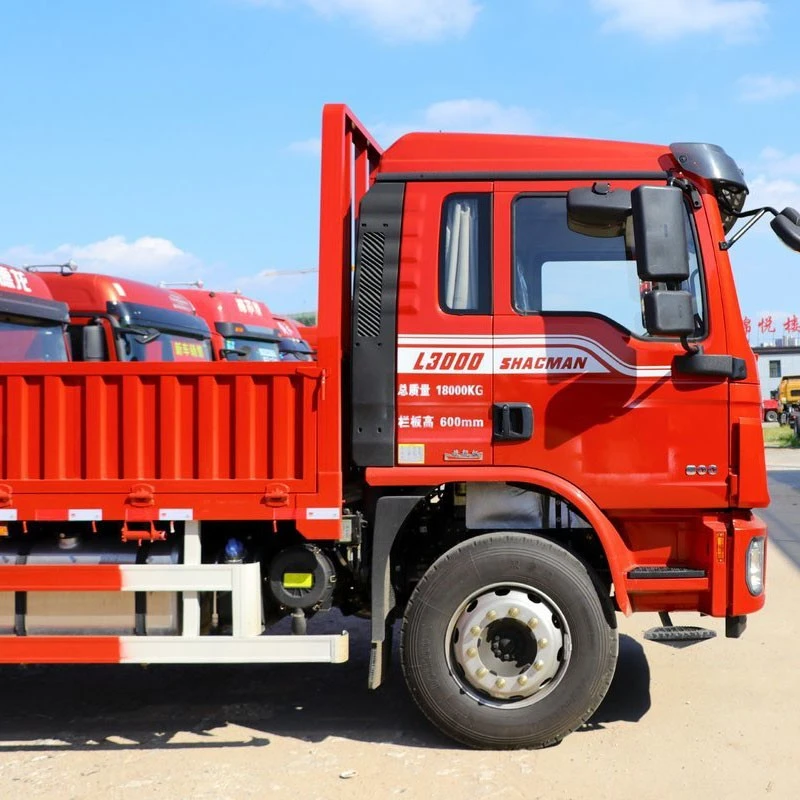
One way I am promoting sustainable transportation is by offering a range of Howo N7w 8x4 Cargo Truck, Shacman X3000 Cargo Truck, and Shacman L3000 Cargo Truck that meet the latest emissions standards. These trucks are equipped with advanced emissions control systems and are designed to be more fuel-efficient, reducing both emissions and operating costs for my customers.
Contact for Purchase and Discussion
If you are interested in purchasing a cargo truck that meets the latest emissions standards, I encourage you to contact me for more information. I can provide you with detailed specifications, pricing, and availability of the trucks in my inventory. Additionally, I can offer expert advice on choosing the right truck for your specific needs and help you navigate the emissions testing and compliance process.
Conclusion
Cargo truck emissions testing regulations are an important part of the global effort to reduce air pollution and protect public health. As a cargo truck supplier, I am committed to complying with these regulations and offering trucks that meet the highest environmental performance standards. By working together with manufacturers, customers, and regulatory authorities, we can promote sustainable transportation and create a cleaner, healthier future for everyone.
References
- European Commission. (n.d.). Euro standards for heavy-duty vehicles. Retrieved from https://ec.europa.eu/clima/policies/transport/vehicles/heavy-duty_en
- United States Environmental Protection Agency. (n.d.). Heavy-duty vehicle emissions standards. Retrieved from https://www.epa.gov/regulations-emissions-vehicles-and-engines/heavy-duty-engine-and-vehicle-emissions-standards
- Ministry of Ecology and Environment of the People's Republic of China. (n.d.). China VI emissions standards for heavy-duty vehicles. Retrieved from https://www.mee.gov.cn/ywgz/fgbz/bz/