

What are the requirements for cargo truck tires?
As a cargo truck supplier, I understand the critical role that tires play in the performance, safety, and efficiency of our vehicles. Cargo trucks are the workhorses of the transportation industry, carrying heavy loads over long distances, often in challenging conditions. The right tires can make all the difference, ensuring smooth operation, reducing downtime, and enhancing the overall profitability of a trucking business. In this blog post, I will discuss the key requirements for cargo truck tires, drawing on my experience in the industry and the latest research and trends.
Load Capacity
One of the most important requirements for cargo truck tires is load capacity. Cargo trucks are designed to carry heavy loads, and the tires must be able to support the weight of the vehicle and its cargo without overheating or failing. The load capacity of a tire is determined by its size, construction, and inflation pressure. Larger tires generally have a higher load capacity than smaller ones, and tires with a higher ply rating (the number of layers of rubber and fabric in the tire) are also more capable of carrying heavy loads.

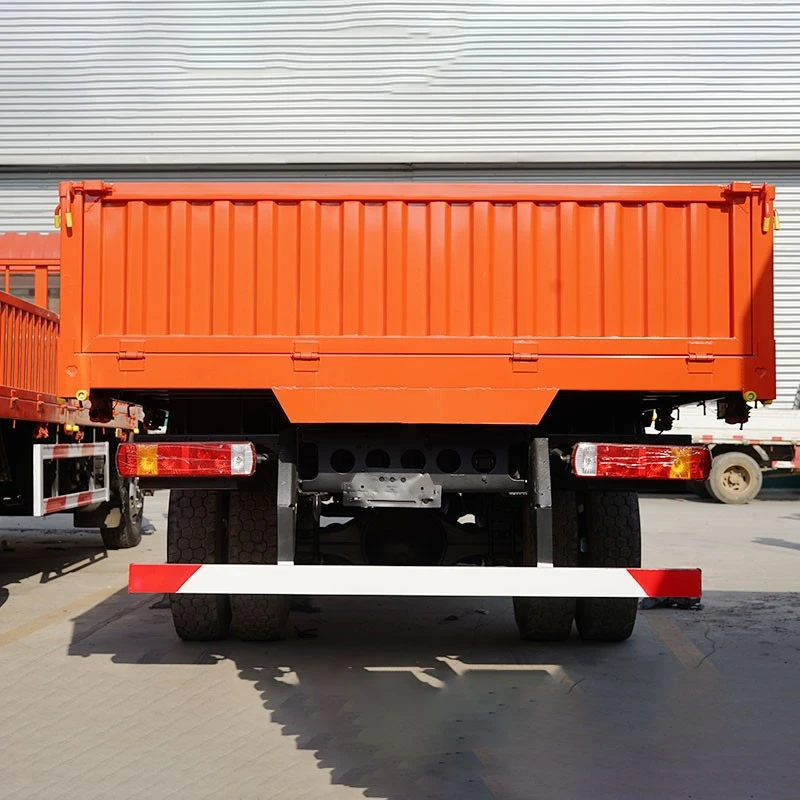
When selecting tires for a cargo truck, it is essential to consider the maximum weight that the vehicle will carry. This information can usually be found in the truck's owner's manual or on the manufacturer's website. It is also important to ensure that the tires are properly inflated to the recommended pressure, as underinflated tires can reduce the load capacity and increase the risk of a blowout.
Tread Depth and Pattern
The tread depth and pattern of a tire are also crucial factors in its performance and safety. The tread is the part of the tire that comes into contact with the road surface, and it provides traction, grip, and stability. A tire with a deep tread depth will have better traction on wet or slippery roads, while a tire with a shallow tread depth may be more prone to hydroplaning and skidding.
The tread pattern of a tire is also important, as it can affect the tire's performance in different driving conditions. For example, a tire with a ribbed tread pattern is ideal for highway driving, as it provides a smooth and quiet ride. On the other hand, a tire with a lugged tread pattern is better suited for off-road driving, as it provides more traction and grip on uneven or muddy surfaces.
When selecting tires for a cargo truck, it is important to choose a tread depth and pattern that is appropriate for the type of driving that the vehicle will be doing. For example, if the truck will be primarily used for highway driving, a tire with a ribbed tread pattern and a moderate tread depth may be sufficient. However, if the truck will be used for off-road driving or in areas with heavy rainfall or snow, a tire with a deeper tread depth and a more aggressive tread pattern may be necessary.
Durability and Longevity
Cargo trucks are often driven long distances and under harsh conditions, so it is important to choose tires that are durable and long-lasting. A tire that wears out quickly or fails prematurely can result in increased downtime, maintenance costs, and safety risks. To ensure the durability and longevity of a tire, it is important to choose a tire that is made from high-quality materials and has a strong construction.
One way to measure the durability of a tire is to look at its treadwear rating. The treadwear rating is a number that indicates how long a tire is expected to last compared to a control tire. A higher treadwear rating means that the tire is expected to last longer. It is also important to choose a tire that has a good reputation for durability and reliability, as this can help to reduce the risk of premature tire failure.
In addition to choosing a durable tire, it is also important to take proper care of the tires to ensure their longevity. This includes regularly checking the tire pressure, rotating the tires, and having the alignment and balance checked. By taking these steps, you can help to extend the life of your tires and reduce the risk of costly repairs and replacements.
Fuel Efficiency
Fuel efficiency is another important consideration when selecting tires for a cargo truck. Tires that are designed to be fuel-efficient can help to reduce the cost of operating a trucking business by reducing the amount of fuel that is consumed. To improve fuel efficiency, it is important to choose tires that have a low rolling resistance. Rolling resistance is the force that is required to move a tire along the road surface, and it is affected by factors such as the tire's size, tread pattern, and inflation pressure.
Tires with a low rolling resistance are designed to reduce the amount of energy that is lost as heat when the tire rolls along the road surface. This can help to improve fuel efficiency by reducing the amount of fuel that is required to move the vehicle. When selecting tires for a cargo truck, it is important to look for tires that are labeled as "low rolling resistance" or "fuel-efficient."
Safety Features
Safety is always a top priority when it comes to cargo trucks, and the tires play a crucial role in ensuring the safety of the vehicle and its occupants. To enhance the safety of a cargo truck, it is important to choose tires that have a number of safety features. Some of the most important safety features to look for in a tire include:
- Traction control: Tires with traction control are designed to provide better grip and stability on wet or slippery roads, reducing the risk of skidding and hydroplaning.
- Run-flat technology: Run-flat tires are designed to allow a vehicle to continue driving for a limited distance after a puncture or loss of air pressure, reducing the risk of a blowout and allowing the driver to safely reach a repair shop.
- Reinforced sidewalls: Tires with reinforced sidewalls are more resistant to damage from curbs, potholes, and other road hazards, reducing the risk of a sidewall blowout.
- Tire pressure monitoring system (TPMS): A TPMS is a system that monitors the tire pressure and alerts the driver if the pressure is too low or too high. This can help to prevent tire failures and improve fuel efficiency.
When selecting tires for a cargo truck, it is important to choose tires that have a number of safety features to ensure the safety of the vehicle and its occupants.
Compatibility with the Truck
Finally, it is important to choose tires that are compatible with the cargo truck. This includes ensuring that the tires are the correct size, load capacity, and speed rating for the vehicle. It is also important to choose tires that are compatible with the truck's suspension system and braking system.
When selecting tires for a cargo truck, it is important to consult the truck's owner's manual or a qualified tire professional to ensure that the tires are compatible with the vehicle. This can help to prevent problems such as uneven tire wear, poor handling, and reduced safety.
Conclusion
In conclusion, choosing the right tires for a cargo truck is essential for ensuring the performance, safety, and efficiency of the vehicle. When selecting tires, it is important to consider factors such as load capacity, tread depth and pattern, durability and longevity, fuel efficiency, safety features, and compatibility with the truck. By taking these factors into account, you can choose tires that are appropriate for the type of driving that the vehicle will be doing and that will provide the best possible performance and safety.
If you are in the market for cargo truck tires, I encourage you to contact us to discuss your needs. We are a leading supplier of Dongfeng 4x2 Cargo Truck, Howo 6x4 Cargo Truck, Shacman L3000 Cargo Truck, and other high-quality cargo trucks, and we have a wide range of tires to choose from. Our experienced team of professionals can help you to select the right tires for your truck and provide you with the support and service that you need to keep your vehicle running smoothly.
References
- Tire and Rim Association, Inc. (2023). Year Book.
- Rubber Manufacturers Association. (2023). Tire Safety Information.
- National Highway Traffic Safety Administration. (2023). Tire Safety.