

What are the training programs for construction machinery operators?
In the dynamic realm of construction, the proficiency of machinery operators stands as a linchpin for project success. As a seasoned construction machinery supplier, I've witnessed firsthand the transformative impact of well - trained operators on job sites. In this blog, I'll delve into the essential training programs for construction machinery operators, highlighting their significance and the components that make them effective.

The Importance of Training Programs
Before we explore the specific training programs, it's crucial to understand why they are so vital. Construction machinery is not only expensive but also potentially dangerous. A well - trained operator can maximize the lifespan of the equipment, minimize downtime due to improper use or maintenance, and, most importantly, ensure the safety of everyone on the job site.
According to industry statistics, a significant number of construction accidents are caused by operator error. These errors can range from incorrect handling of controls to a lack of understanding of the machinery's load - bearing capacity. By investing in comprehensive training programs, construction companies can reduce the risk of accidents, improve productivity, and enhance the overall quality of their work.
Types of Training Programs
Classroom Training
Classroom training is the foundation of any construction machinery operator training program. It provides operators with theoretical knowledge about the machinery they will be using. This includes understanding the basic principles of how the machinery works, its components, and safety regulations.
In these classes, instructors cover topics such as hydraulic systems, electrical systems, and mechanical components. For example, when training operators for excavators, they'll learn about the functions of the boom, arm, and bucket, as well as how to operate the hydraulic controls safely. Classroom training also includes in - depth discussions about safety protocols, such as pre - operation inspections, proper use of personal protective equipment (PPE), and emergency procedures.
Hands - on Training
Hands - on training is where operators get to apply the knowledge they've gained in the classroom. This type of training takes place on actual construction sites or in dedicated training areas equipped with machinery. Under the supervision of experienced instructors, operators learn how to start, stop, and maneuver the machinery safely.
For instance, when training for a truck crane, like the Xcmg Xct35u Truck Cranes or the Xcmg Xct40u Truck Crane, operators practice tasks such as lifting and moving loads, setting up the crane on different terrains, and using the outriggers for stability. Hands - on training allows operators to develop muscle memory and gain confidence in operating the machinery.
Simulation Training
Simulation training has become increasingly popular in recent years. It uses advanced computer software to create realistic virtual environments that mimic real - world construction scenarios. This type of training is particularly useful for training operators on complex machinery or in high - risk situations.
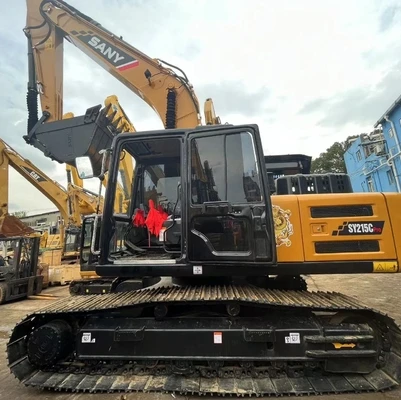
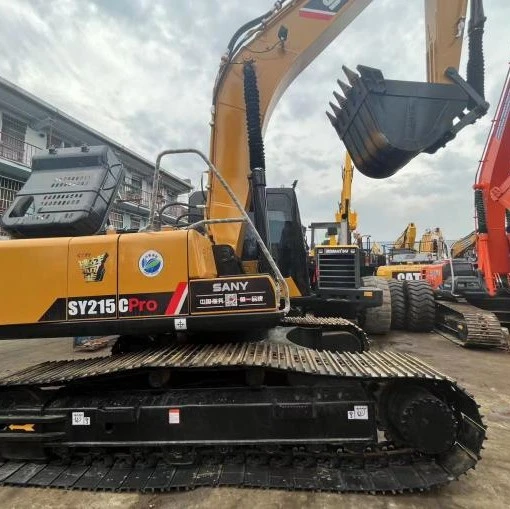
Simulation training can replicate various conditions, such as adverse weather, uneven terrain, and heavy traffic. Operators can practice their skills in a safe and controlled environment without the risk of damaging expensive equipment or causing accidents. For example, an operator training on a Sany Sy215c Hydraulic Excavator can simulate digging in different soil types, avoiding underground utilities, and working in confined spaces.
Refresher Training
Even experienced operators need refresher training from time to time. Construction technology is constantly evolving, and new safety regulations are introduced regularly. Refresher training helps operators stay up - to - date with the latest developments in the industry.
These training sessions can focus on new features of the machinery, changes in safety standards, or best practices for operating in specific conditions. For example, if a new type of load - sensing technology is introduced in a crane, refresher training will ensure that operators understand how to use it effectively.
Components of an Effective Training Program
Qualified Instructors
The success of a training program largely depends on the quality of its instructors. Instructors should have extensive experience in operating construction machinery and a deep understanding of safety regulations. They should be able to communicate effectively with trainees, answer their questions, and provide constructive feedback.
Customized Training
Not all construction projects are the same, and neither are the training needs of operators. An effective training program should be customized to meet the specific requirements of the project and the type of machinery being used. For example, operators working on a high - rise building project may need different training than those working on a road construction project.
Certification
Upon completion of a training program, operators should receive a certification that validates their skills and knowledge. This certification can be used as proof of their competence when applying for jobs or bidding on projects. Many construction companies require operators to have valid certifications before they can operate machinery on their sites.
Conclusion
Investing in comprehensive training programs for construction machinery operators is a win - win situation for both construction companies and equipment suppliers. Well - trained operators can improve productivity, reduce the risk of accidents, and extend the lifespan of the machinery. As a construction machinery supplier, I'm committed to supporting the training of operators to ensure that our equipment is used safely and effectively.
If you're in the market for high - quality construction machinery or interested in learning more about our training programs, I encourage you to reach out for a procurement discussion. We're here to help you find the right equipment and training solutions for your construction needs.
References
- Construction Industry Safety Council. (Year). Best Practices for Construction Machinery Operator Training.
- National Institute for Occupational Safety and Health (NIOSH). (Year). Guidelines for Safe Operation of Construction Equipment.
- Equipment Manufacturers Association. (Year). Standards for Training Construction Machinery Operators.