

What is the average payload to weight ratio of a cargo truck?
Hey there! I'm a supplier of cargo trucks, and I often get asked about the average payload to weight ratio of these workhorses. So, I thought I'd break it down for you in this blog post.
First off, what exactly is the payload to weight ratio? Well, it's pretty straightforward. The payload is the amount of weight a truck can carry in terms of goods, passengers, or equipment. The total weight of the truck includes the weight of the truck itself (the curb weight) plus the payload. The ratio is calculated by dividing the payload by the total weight. A higher ratio means the truck can carry more payload relative to its own weight, which is generally a good thing as it's more efficient.
Now, the average payload to weight ratio can vary a lot depending on the type of cargo truck. There are light - duty, medium - duty, and heavy - duty trucks, and each category has its own typical range.
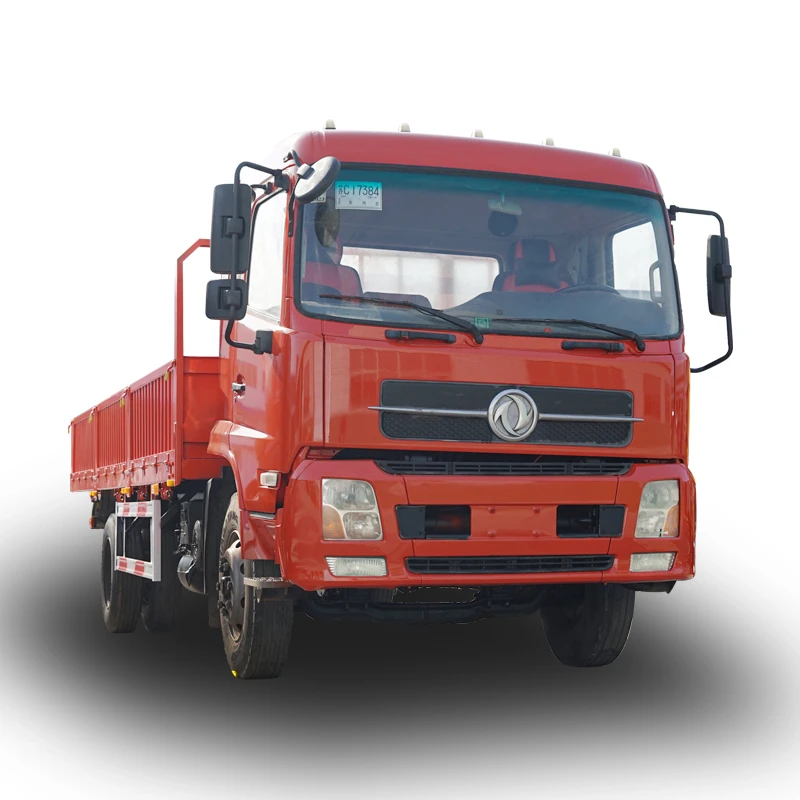
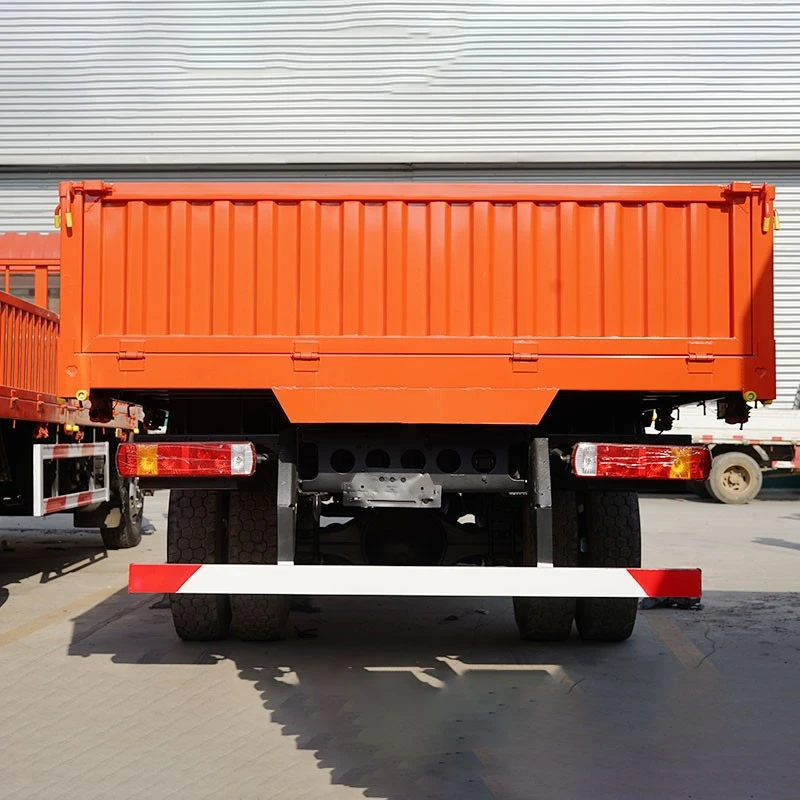
Light - duty cargo trucks are often used for local deliveries, small - scale hauling, and in urban settings. These trucks usually have a curb weight ranging from about 3,000 to 6,000 pounds. Their payload capacity can be anywhere from 1,000 to 4,000 pounds. So, if we take a light - duty truck with a curb weight of 4,000 pounds and a payload capacity of 2,000 pounds, the total weight when fully loaded is 6,000 pounds. The payload to weight ratio would be 2000/6000, which is approximately 0.33 or 33%.
Medium - duty trucks are a step up in terms of size and capacity. They're used for things like regional hauling, transporting larger equipment, or bulkier goods. The curb weight of medium - duty trucks can range from 6,000 to 19,500 pounds, and the payload capacity can be from 4,000 to 12,000 pounds. Let's say we have a medium - duty truck with a curb weight of 10,000 pounds and a payload capacity of 6,000 pounds. The total weight when loaded is 16,000 pounds, and the payload to weight ratio is 6000/16000, about 0.375 or 37.5%.
Heavy - duty trucks are the big boys of the cargo world. They're used for long - haul transportation, moving large quantities of goods across the country. These trucks can have a curb weight of 19,500 pounds or more, and their payload capacity can be upwards of 20,000 pounds. For example, a heavy - duty truck with a curb weight of 25,000 pounds and a payload capacity of 30,000 pounds. The total weight when fully loaded is 55,000 pounds, and the payload to weight ratio is 30000/55000, roughly 0.545 or 54.5%.
There are also a few factors that can affect the payload to weight ratio. The design of the truck is a major one. Trucks with lighter materials in their construction, like aluminum frames instead of steel, can have a better ratio because the curb weight is lower. The type of engine and transmission also play a role. A more efficient powertrain can allow the truck to carry more without adding too much extra weight.
Now, let me tell you about some of the trucks we supply. We have the Shacman X3000 Cargo Truck. This is a heavy - duty beast. It's designed with advanced technology and high - quality materials. The Shacman X3000 has a great payload to weight ratio because of its well - engineered frame and powerful yet efficient engine. It can handle large payloads while keeping its own weight in check.
Another option is the Dongfeng 4x2 Cargo Truck. This is a medium - duty truck that's perfect for regional deliveries. It has a good balance between its curb weight and payload capacity, giving it a decent payload to weight ratio. It's reliable and fuel - efficient, which is a big plus for any business.
We also offer the Shacman L3000 Cargo Truck. This truck is known for its durability and flexibility. Whether you're hauling construction materials or consumer goods, the Shacman L3000 can get the job done. It has a payload to weight ratio that makes it a cost - effective choice for many businesses.
When you're looking to buy a cargo truck, the payload to weight ratio is an important factor to consider. A better ratio means you can carry more with each trip, which can save you money on fuel and increase your overall efficiency. If you're in the market for a cargo truck and want to know more about the payload to weight ratio of our trucks or have any other questions, don't hesitate to reach out. We're here to help you find the perfect truck for your needs. Whether you're a small business owner or part of a large logistics company, we've got trucks that can meet your requirements.
In conclusion, understanding the average payload to weight ratio of cargo trucks can help you make an informed decision when purchasing one. It's not just about the size of the truck or its payload capacity; it's about how efficiently it can carry that load. So, if you're interested in learning more about our trucks or getting a quote, feel free to start a conversation with us. We're ready to assist you in finding the right cargo truck for your business.
References
- "Trucking Industry Handbook", various editions
- Manufacturer specifications for Shacman X3000, Dongfeng 4x2, and Shacman L3000 cargo trucks