

What is the difference between various construction machinery models?
In the dynamic world of construction, the choice of machinery can significantly impact the efficiency, productivity, and overall success of a project. As a leading construction machinery supplier, I've witnessed firsthand the diverse requirements of our clients and the importance of selecting the right equipment for the job. In this blog post, I'll delve into the differences between various construction machinery models, providing insights to help you make informed decisions.
Earthmoving Equipment
Earthmoving equipment is the backbone of many construction projects, used for tasks such as excavation, grading, and hauling. Let's take a closer look at some popular models in this category.

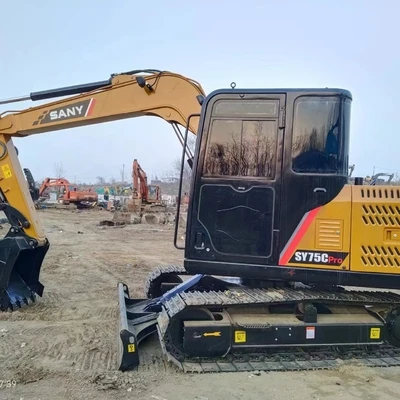
Excavators
Excavators are versatile machines designed for digging, trenching, and material handling. They come in various sizes, from compact mini - excavators to large crawler excavators.
The Sany Sy75c Hydraulic Excavator is a mid - sized excavator that offers a good balance of power and maneuverability. With its advanced hydraulic system, it can handle a wide range of digging tasks efficiently. It is suitable for small to medium - sized construction projects, such as building foundations, landscaping, and utility work.
On the other hand, larger excavators like the Komatsu PC490LC - 11 are designed for heavy - duty applications. They have more powerful engines, larger buckets, and greater digging depths. These machines are typically used in large - scale construction projects, such as mining, large building construction, and major infrastructure development.
Bulldozers
Bulldozers are used for pushing and leveling large amounts of soil, rubble, or other materials. They are characterized by their large, flat blades at the front.
The Caterpillar D6T is a well - known bulldozer model. It offers excellent traction and pushing power, making it suitable for tasks like land clearing, road construction, and site preparation. Its advanced control systems allow for precise blade operation, improving efficiency and accuracy.
Smaller bulldozers, like the John Deere 450K, are more maneuverable and are often used in confined spaces or for lighter - duty tasks, such as small - scale grading and backfilling.
Graders
Graders are used to create a flat and even surface, especially for roads and large construction sites.
The Cat 140k Grader is a popular choice in the grader category. It has a long blade that can be adjusted in multiple directions, allowing for precise grading. The machine's comfortable cab and advanced control systems make it easy for operators to achieve high - quality results.
Some graders, like the Volvo G930, are equipped with advanced technology such as GPS - guided grading systems. These systems can significantly improve the accuracy of grading, reducing the need for manual adjustments and rework.
Compaction Equipment
Compaction equipment is used to compress soil, gravel, or asphalt to increase its density and stability.
Rollers
Rollers come in different types, including vibratory rollers, pneumatic rollers, and static rollers.
The Xcmg Xs223je Roller is a vibratory roller. It uses vibration to compact materials more effectively. Vibratory rollers are commonly used for compacting soil, gravel, and asphalt in road construction, airport runways, and building foundations. The vibration helps to reduce air voids in the material, increasing its strength and durability.
Pneumatic rollers, on the other hand, use a series of rubber - tired wheels to apply pressure. They are often used for compacting asphalt pavements, as the rubber tires provide a smooth finish and can conform to the surface better.
Material Handling Equipment
Material handling equipment is essential for moving and transporting construction materials on site.
Forklifts
Forklifts are used to lift and move pallets, crates, and other heavy objects.
The Toyota 8FBE25 is a popular electric forklift. Electric forklifts are quieter, produce zero emissions, and are suitable for indoor use, such as in warehouses and distribution centers on construction sites. They are also more energy - efficient compared to their diesel or gasoline counterparts.
Diesel forklifts, like the Hyster H30XD, offer more power and are better suited for outdoor use and heavy - duty applications. They can handle larger loads and are often used in construction yards and ports.
Cranes
Cranes are used to lift and move heavy materials to high places.
Tower cranes are commonly seen on large building construction sites. They have a tall mast and a long jib, allowing them to reach great heights and cover a large area. The Liebherr 710 HC - L is a well - known tower crane model. It can lift heavy loads to the upper floors of high - rise buildings during construction.
Mobile cranes, such as the Grove GMK5250L, are more flexible and can be easily transported to different locations. They are suitable for a variety of construction projects, including bridge building, industrial construction, and small - scale building projects.
Factors Affecting the Choice of Construction Machinery
When choosing construction machinery, several factors need to be considered.
Project Requirements
The nature and scale of the construction project play a crucial role in determining the type and size of machinery needed. For a small residential construction project, a compact excavator and a small forklift may be sufficient. However, for a large - scale infrastructure project, heavy - duty earthmoving equipment, large cranes, and high - capacity compaction equipment will be required.
Site Conditions
The site conditions, such as the terrain, soil type, and available space, also influence the choice of machinery. For example, on soft or uneven terrain, machines with good traction, like crawler - type equipment, may be more suitable. In confined spaces, smaller and more maneuverable machines are preferred.
Cost
Cost is always an important consideration. This includes not only the purchase price of the machinery but also the operating costs, such as fuel consumption, maintenance, and repair. Sometimes, it may be more cost - effective to rent machinery for short - term projects rather than buying.
Operator Skill and Experience
The skill and experience of the operators are also important. Some advanced machinery models require highly trained operators to operate them safely and efficiently. Ensuring that operators are properly trained can improve productivity and reduce the risk of accidents.
Conclusion
In conclusion, the differences between various construction machinery models are significant, and each type of machinery is designed for specific tasks and applications. As a construction machinery supplier, I understand the importance of matching the right equipment to the project requirements. Whether you are working on a small - scale residential project or a large - scale infrastructure development, choosing the appropriate machinery can make a big difference in the success of your project.
If you are in the process of planning a construction project and need help selecting the right machinery, I encourage you to reach out to us. Our team of experts is ready to assist you in making the best choice for your needs. Contact us today to start the procurement and negotiation process, and let us help you build your project with the most suitable construction machinery.
References
- Construction Equipment Guide. (2023). Various issues.
- Equipment World. (2023). Various issues.
- Manufacturer brochures of Xcmg, Sany, Caterpillar, Volvo, Toyota, Hyster, Liebherr, and Grove.