

What is the fuel type used in most cargo trucks?
As a cargo truck supplier, I've witnessed firsthand the evolution of fuel types in the industry. Over the years, the choice of fuel for cargo trucks has been a critical decision, influenced by factors such as cost, efficiency, environmental impact, and regulatory requirements. In this blog post, I'll explore the most commonly used fuel types in cargo trucks and discuss their advantages and disadvantages.
Diesel Fuel: The Dominant Choice
Diesel fuel has long been the primary fuel type for cargo trucks, and it continues to dominate the market today. There are several reasons for its widespread use:
Energy Density
Diesel fuel has a higher energy density than gasoline, which means it can provide more power per unit of volume. This is crucial for cargo trucks, which need to haul heavy loads over long distances. With diesel fuel, trucks can achieve better fuel efficiency and longer range, reducing the need for frequent refueling stops.
Torque and Power
Diesel engines are known for their high torque output, which is essential for accelerating heavy trucks and climbing steep grades. The torquey nature of diesel engines allows cargo trucks to handle heavy loads more effectively, making them ideal for commercial transportation.
Durability and Reliability
Diesel engines are built to withstand the rigors of heavy-duty use. They are typically more robust and durable than gasoline engines, with a longer lifespan and lower maintenance requirements. This makes diesel trucks a reliable choice for businesses that depend on their vehicles to operate efficiently and consistently.
Fuel Economy
Diesel trucks generally offer better fuel economy than their gasoline counterparts. The high compression ratio of diesel engines allows them to convert more of the fuel's energy into mechanical power, resulting in fewer emissions and lower fuel costs over the long term.
Despite its many advantages, diesel fuel also has some drawbacks. Diesel engines produce more nitrogen oxides (NOx) and particulate matter (PM) than gasoline engines, which can contribute to air pollution and have negative health effects. In recent years, stricter emissions regulations have forced manufacturers to develop cleaner diesel engines with advanced emission control technologies.
Natural Gas: A Growing Alternative
In recent years, natural gas has emerged as a viable alternative to diesel fuel for cargo trucks. Natural gas is a cleaner-burning fuel that produces fewer emissions than diesel, making it an attractive option for environmentally conscious businesses. There are two main types of natural gas used in trucks: compressed natural gas (CNG) and liquefied natural gas (LNG).
Compressed Natural Gas (CNG)
CNG is natural gas that has been compressed to a high pressure and stored in cylinders on the truck. CNG is a popular choice for urban delivery trucks and buses, as it is relatively easy to refuel at CNG stations and offers a good balance of performance and efficiency.
Liquefied Natural Gas (LNG)
LNG is natural gas that has been cooled to a very low temperature and converted into a liquid state. LNG has a higher energy density than CNG, which means it can provide a longer range for trucks. LNG is commonly used in long-haul trucks and heavy-duty vehicles, as it allows for longer trips between refueling stops.
Advantages of Natural Gas
- Lower Emissions: Natural gas produces significantly fewer emissions than diesel, including particulate matter, nitrogen oxides, and greenhouse gases. This makes it a more environmentally friendly option for businesses looking to reduce their carbon footprint.
- Cost Savings: Natural gas is generally less expensive than diesel fuel, which can result in significant cost savings over the life of the truck. The lower fuel costs can offset the higher upfront cost of purchasing a natural gas truck.
- Domestic Availability: Natural gas is abundant in many countries, including the United States, which reduces dependence on foreign oil and enhances energy security.
Disadvantages of Natural Gas
- Limited Refueling Infrastructure: One of the main challenges of using natural gas in trucks is the limited availability of refueling stations. Compared to diesel fuel, there are far fewer CNG and LNG stations, which can make it difficult for trucks to travel long distances without refueling.
- Lower Energy Density: Natural gas has a lower energy density than diesel fuel, which means trucks may need to carry larger fuel tanks to achieve the same range. This can reduce the payload capacity of the truck and increase its overall weight.
- Higher Upfront Cost: Natural gas trucks typically have a higher upfront cost than diesel trucks due to the additional equipment required for storing and handling natural gas. This can make it more challenging for some businesses to justify the investment.
Electric Trucks: The Future of Cargo Transportation
Electric trucks are rapidly gaining popularity as a clean and efficient alternative to traditional diesel and natural gas trucks. With advancements in battery technology and charging infrastructure, electric trucks are becoming more practical and cost-effective for commercial use.
Advantages of Electric Trucks
- Zero Emissions: Electric trucks produce zero tailpipe emissions, which helps to improve air quality and reduce greenhouse gas emissions. This makes them an attractive option for businesses operating in urban areas with strict air quality regulations.
- Lower Operating Costs: Electric trucks have lower operating costs than diesel trucks, as electricity is generally cheaper than diesel fuel. Additionally, electric trucks have fewer moving parts and require less maintenance, which can further reduce operating expenses.
- Quiet Operation: Electric trucks operate much more quietly than diesel trucks, which can be beneficial for businesses operating in noise-sensitive areas or during late hours.
Disadvantages of Electric Trucks
- Limited Range: One of the main challenges of electric trucks is their limited range. The current battery technology restricts the distance electric trucks can travel on a single charge, which may not be suitable for long-haul applications.
- Long Charging Times: Charging an electric truck takes significantly longer than refueling a diesel or natural gas truck. This can result in longer downtime for trucks and may require businesses to invest in additional charging infrastructure.
- Higher Upfront Cost: Electric trucks typically have a higher upfront cost than diesel trucks due to the cost of the battery and other electric components. However, as battery technology continues to improve and economies of scale are achieved, the cost of electric trucks is expected to decrease.
Conclusion
In conclusion, diesel fuel remains the most commonly used fuel type in cargo trucks due to its high energy density, torque, durability, and fuel economy. However, natural gas and electric trucks are emerging as viable alternatives, offering environmental benefits and cost savings in certain applications. As the transportation industry continues to evolve, we can expect to see a greater adoption of cleaner and more efficient fuel types in cargo trucks.
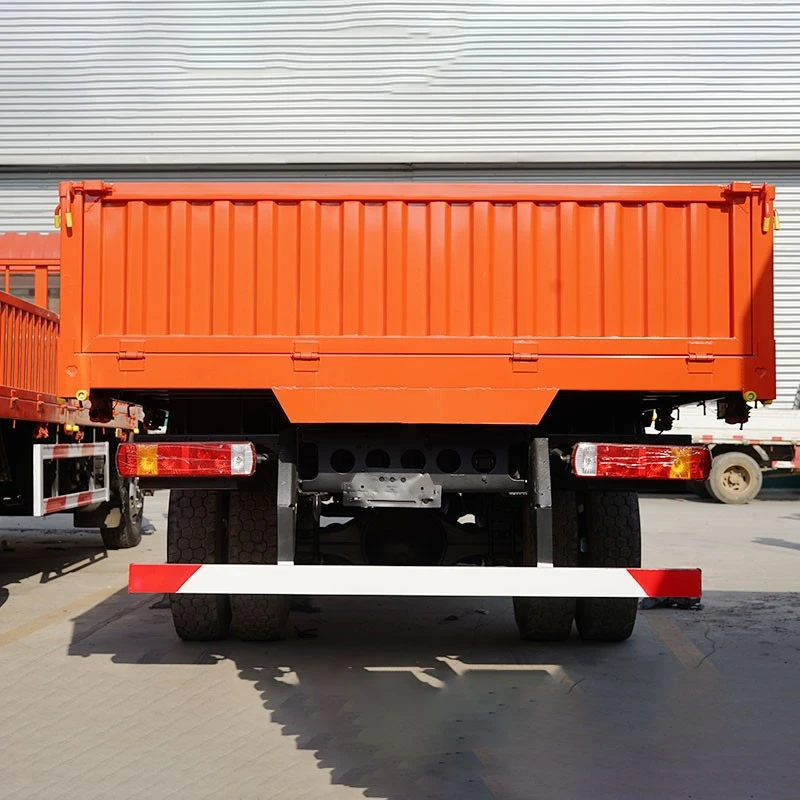
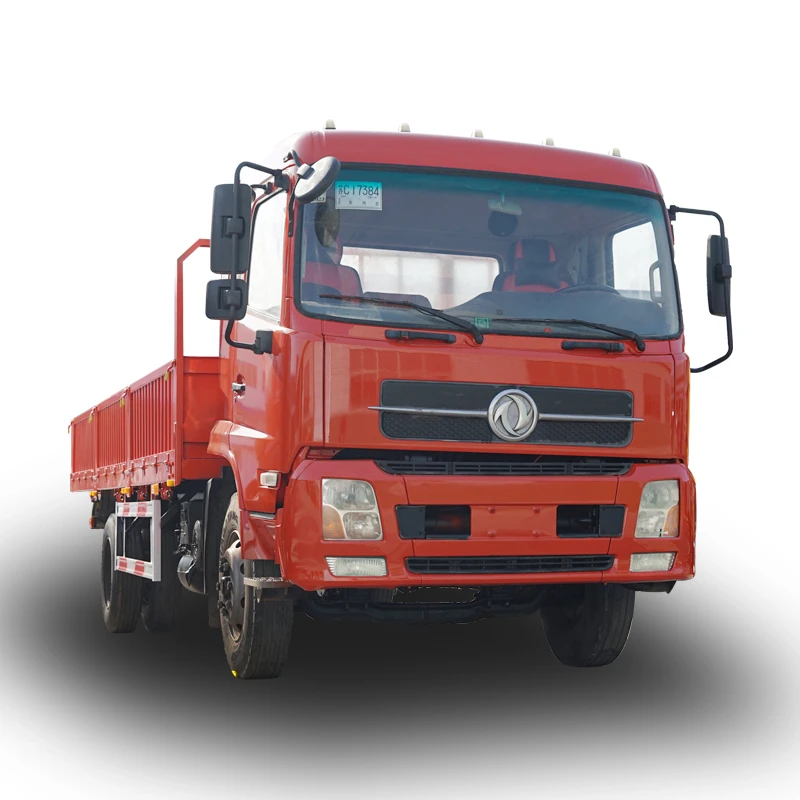
If you're in the market for a cargo truck, I encourage you to consider your specific needs and requirements when choosing a fuel type. Whether you opt for a diesel, natural gas, or electric truck, we offer a wide range of high-quality cargo trucks to meet your business needs. Check out our Dongfeng 4x2 Cargo Truck, Shacman X3000 Cargo Truck, and Howo N7w 8x4 Cargo Truck for more information.
If you have any questions or would like to discuss your cargo truck requirements further, please don't hesitate to contact us. We're here to help you find the perfect truck for your business.
References
- Diesel Technology Forum. (2023). Diesel Trucks: The Workhorses of the Economy.
- Natural Gas Vehicle Institute. (2023). Natural Gas Vehicles: An Overview.
- Electric Vehicle Initiative. (2023). Electric Trucks: The Future of Freight Transportation.