

What is the lifespan of a tractor?
The lifespan of a tractor is a crucial consideration for farmers, construction companies, and transportation businesses alike. As a tractor supplier, I've witnessed firsthand the varying lifespans of different tractor models and the factors that influence them. In this blog post, I'll delve into the determinants of a tractor's lifespan, explore the typical lifespans of popular models, and provide tips on how to extend the life of your tractor.
Factors Affecting the Lifespan of a Tractor
Several factors can significantly impact the lifespan of a tractor. Understanding these factors can help you make informed decisions when purchasing a tractor and ensure its longevity.
1. Quality of Manufacturing
The quality of manufacturing plays a pivotal role in determining a tractor's lifespan. Tractors built with high - quality materials and advanced manufacturing techniques are generally more durable and reliable. Reputable manufacturers invest in research and development to design tractors that can withstand heavy use and harsh conditions. For example, tractors from well - known brands often feature robust engines, transmissions, and frames that are less likely to break down prematurely.
2. Usage Patterns
How a tractor is used has a direct impact on its lifespan. Tractors used for light - duty tasks such as small - scale farming or occasional property maintenance may last longer than those used for heavy - duty applications like large - scale agriculture or construction work. Heavy - duty use typically subjects the tractor to more stress, including continuous operation at high loads, which can accelerate wear and tear on components.
3. Maintenance and Servicing
Regular maintenance and servicing are essential for extending the lifespan of a tractor. This includes tasks such as oil changes, filter replacements, tire rotations, and inspections of the engine, brakes, and other critical components. Neglecting maintenance can lead to the accumulation of dirt, debris, and contaminants, which can cause premature wear and damage to the tractor.
4. Operating Conditions
The operating conditions in which a tractor is used also affect its lifespan. Tractors used in harsh environments, such as dusty, muddy, or corrosive conditions, are more likely to experience accelerated wear and corrosion. Exposure to extreme temperatures, whether hot or cold, can also put additional stress on the tractor's components.
Typical Lifespans of Popular Tractor Models
The lifespan of a tractor can vary widely depending on the make, model, and the factors mentioned above. Here are some typical lifespans of popular tractor models:
Howo T7h 4x2 Tractor
The Howo T7h 4x2 Tractor is a well - known commercial tractor. With proper maintenance and under normal operating conditions, this tractor can typically last between 15 to 20 years. It is designed for heavy - duty transportation, and its robust construction and reliable engine contribute to its relatively long lifespan.
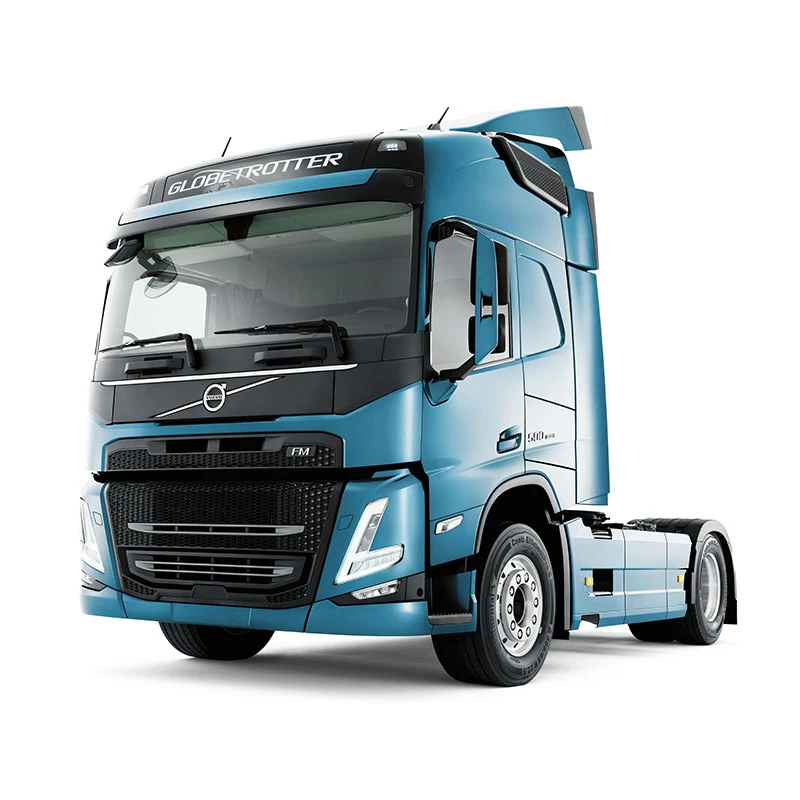
Volvo Fm 4x2 Tractor
The Volvo Fm 4x2 Tractor is renowned for its high - quality engineering and advanced technology. Under optimal conditions and with regular servicing, this tractor can have a lifespan of 20 to 25 years. Volvo's commitment to safety and durability ensures that the Fm 4x2 can handle long - haul transportation tasks with ease.
Shacman M3000 6x4 Tractor
The Shacman M3000 6x4 Tractor is a popular choice for heavy - duty applications in the construction and transportation industries. When properly maintained, it can last around 18 to 22 years. Its powerful engine and sturdy frame make it suitable for carrying heavy loads over long distances.
Tips for Extending the Lifespan of Your Tractor
To get the most out of your tractor and ensure a long lifespan, consider the following tips:
Follow the Manufacturer's Maintenance Schedule
Adhere to the maintenance schedule recommended by the tractor's manufacturer. This includes regular oil changes, filter replacements, and inspections. Following the schedule will help prevent major issues and keep your tractor running smoothly.

Train Operators Properly
Ensure that all operators are properly trained to use the tractor. Improper operation, such as aggressive driving, overloading, or incorrect use of attachments, can cause unnecessary stress on the tractor and lead to premature wear.
Store the Tractor Properly
When the tractor is not in use, store it in a dry, sheltered location. This will protect it from the elements and reduce the risk of corrosion. If possible, cover the tractor to prevent dust and debris from accumulating.
Use High - Quality Parts and Fluids
Always use high - quality parts and fluids when servicing your tractor. Inferior parts may not fit properly or perform as well as genuine parts, which can lead to problems down the line. Similarly, using the right type of fluids, such as engine oil and coolant, is crucial for the proper functioning of the tractor.
Conclusion
The lifespan of a tractor is influenced by a variety of factors, including manufacturing quality, usage patterns, maintenance, and operating conditions. By understanding these factors and taking appropriate measures to care for your tractor, you can extend its lifespan and get the most value from your investment.
If you're in the market for a new tractor or looking to replace an aging one, we're here to help. As a trusted tractor supplier, we offer a wide range of high - quality tractors to meet your specific needs. Whether you need a tractor for light - duty or heavy - duty applications, we have the expertise and inventory to provide you with the right solution. Contact us today to start the procurement discussion and find the perfect tractor for your business.
References
- Agricultural Machinery Handbook
- Tractor Manufacturer's Manuals
- Industry Reports on Tractor Durability and Lifespan