

What is the weight distribution of the Cat 140h Grader?
As a supplier of the Cat 140h Grader, I've had numerous inquiries about its weight distribution. Understanding the weight distribution of this powerful machine is crucial for operators and construction professionals alike. It affects everything from stability and traction to the overall performance and efficiency of the grader. In this blog, I'll delve into the details of the Cat 140h Grader's weight distribution and explain why it matters.
The Basics of Weight Distribution
Weight distribution refers to how the total weight of a machine is spread across its various components and axles. In the case of the Cat 140h Grader, proper weight distribution is essential for maintaining balance, ensuring optimal traction, and preventing excessive wear on tires and other parts. The grader's weight is typically divided between the front axle and the rear axle, with the distribution varying depending on factors such as the type of work being done, the load being carried, and the terrain.

Front Axle Weight
The front axle of the Cat 140h Grader plays a crucial role in steering and maneuverability. It supports a significant portion of the machine's weight, typically around 30% to 40%. This weight distribution helps to provide stability and control when turning and navigating tight spaces. The front axle is also responsible for transmitting the steering force to the wheels, allowing the operator to accurately guide the grader.
The weight on the front axle is influenced by several factors, including the position of the blade, the load being carried, and the speed of the machine. When the blade is in a lowered position, more weight is transferred to the front axle, which can improve traction and control. However, this can also increase the stress on the front tires and suspension components. On the other hand, when the blade is raised, less weight is on the front axle, which can reduce traction but also decrease wear and tear on the front end of the machine.
Rear Axle Weight
The rear axle of the Cat 140h Grader supports the majority of the machine's weight, typically around 60% to 70%. This weight distribution is necessary to provide the necessary traction and power for pushing and grading operations. The rear axle is also equipped with a differential, which allows the wheels to rotate at different speeds when turning, improving maneuverability.
The weight on the rear axle is affected by factors such as the load being carried, the position of the counterweight, and the type of terrain. When the grader is carrying a heavy load, more weight is transferred to the rear axle, which can improve traction but also increase the stress on the rear tires and suspension. The counterweight, which is located at the rear of the machine, can be adjusted to fine-tune the weight distribution and improve stability. On soft or uneven terrain, the rear axle may need to carry more weight to maintain traction and prevent the machine from getting stuck.
Importance of Proper Weight Distribution
Proper weight distribution is essential for the safe and efficient operation of the Cat 140h Grader. Here are some of the key reasons why:
- Stability: A well-balanced weight distribution helps to keep the grader stable, especially when operating on slopes or uneven terrain. This reduces the risk of tipping over, which can be dangerous for the operator and cause damage to the machine.
- Traction: The right weight distribution ensures that the tires have sufficient contact with the ground, providing good traction for pushing, pulling, and grading. This improves the machine's performance and efficiency, allowing it to complete tasks more quickly and effectively.
- Component Wear: Proper weight distribution helps to evenly distribute the stress and load on the tires, suspension, and other components of the grader. This reduces wear and tear, extending the lifespan of these parts and reducing maintenance costs.
- Operator Comfort: A balanced machine is easier to control and maneuver, which can reduce operator fatigue and improve comfort. This is especially important during long hours of operation.
Adjusting Weight Distribution
In some cases, it may be necessary to adjust the weight distribution of the Cat 140h Grader to suit the specific requirements of a job. Here are some ways to do this:
- Blade Position: As mentioned earlier, the position of the blade can affect the weight distribution. Lowering the blade transfers more weight to the front axle, while raising it reduces the front axle weight.
- Counterweight: The counterweight at the rear of the machine can be adjusted to change the weight distribution. Adding or removing weight from the counterweight can help to fine-tune the balance of the grader.
- Load Placement: When carrying a load, it's important to place it evenly on the machine to maintain proper weight distribution. Avoid placing heavy loads on one side or the other, as this can cause the machine to become unbalanced.
Comparison with Other Construction Machines
To better understand the significance of the Cat 140h Grader's weight distribution, let's compare it with other construction machines. For example, the Sany Sy365h Hydraulic Excavator has a different weight distribution due to its design and function. Excavators typically have a heavier front end to support the boom and bucket, which are used for digging and lifting. This allows them to have greater digging force and reach.
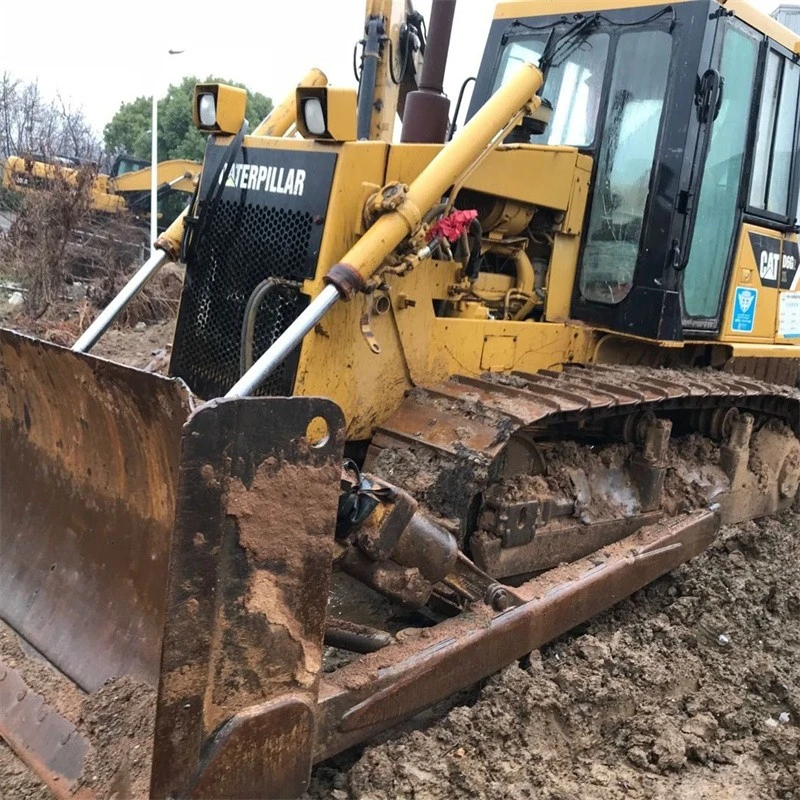
On the other hand, the Cat D6g2 Bulldozers have a more evenly distributed weight to provide stability and traction when pushing large amounts of material. The weight is concentrated on the tracks, which are designed to grip the ground and move the machine forward.
Conclusion
In conclusion, the weight distribution of the Cat 140h Grader is a critical factor that affects its performance, stability, and durability. By understanding how the weight is distributed between the front and rear axles and how it can be adjusted, operators can ensure that the machine operates safely and efficiently. Whether you're grading a road, leveling a construction site, or performing other earthmoving tasks, proper weight distribution is essential for getting the job done right.
If you're in the market for a Cat 140h Grader or have any questions about its weight distribution or other features, I encourage you to contact me for more information. I'm here to help you make an informed decision and find the right machine for your needs. Let's start a conversation about how the Cat 140h Grader can enhance your construction operations.
References
- Caterpillar Inc. Product manuals for Cat 140h Grader.
- Construction Machinery Handbook.