

What Makes Quality Agricultural Machinery Essential?
In modern agriculture, quality agricultural machinery is no longer an option but a core necessity for farmers and agricultural operations worldwide. It drives productivity, cuts operational costs, and ensures consistency in crop yields-addressing the key pain points of labor shortages, tight planting/harvesting windows, and resource waste. Below are the critical reasons why investing in high-quality farm equipment is non-negotiable for sustainable agricultural success.
Boosts Productivity and Meets Timing Demands
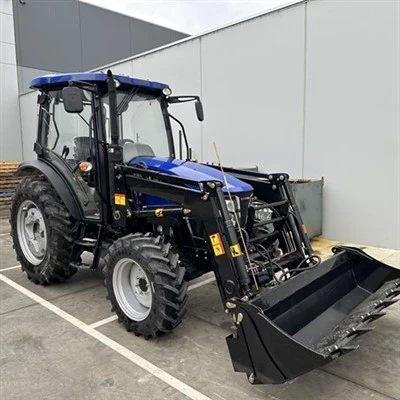
Quality agricultural machinery delivers unmatched efficiency compared to manual or low-grade equipment. High-powered tractors, precision harvesters and seeding machines complete large-scale field work in hours that would take human labor days or weeks. A single high-quality combine harvester can harvest 500-600 mu of grain per day, equivalent to the work of hundreds of laborers. More importantly, it ensures farming tasks are finished within the optimal seasonal window-critical for seeding, fertilizing and harvesting, as missing these narrow timeframes directly leads to reduced yields or even crop failure. This reliability eliminates the risk of "missing the farming season" and maximizes land utilization rates.

Cuts Operational Costs and Reduces Wastage
High-quality farm equipment slashes long-term operational costs by minimizing resource and labor waste. Precision seeding machines enable single-seed sowing, eliminating the need for manual thinning and saving both seed costs and labor expenses for farmers. Advanced irrigation and fertilization machinery achieves targeted application, cutting water and fertilizer use by over 50% while boosting crop yields by 20-30%. Durable components also mean fewer breakdowns, lower maintenance costs and longer equipment lifespans-avoiding the extra expenses and work delays caused by frequent repairs of low-quality machinery.
Ensures Precision and Improves Crop Quality
Accuracy is a hallmark of quality agricultural machinery, directly translating to better crop quality and higher market value. Precision farming equipment controls seeding depth, plant spacing and fertilizer dosage with extreme accuracy, ensuring uniform seed germination and seedling growth. This consistency reduces uneven crop development and improves the overall quality of agricultural products. For modern farming models like intercropping and precise irrigation, high-quality machinery is the only way to implement advanced agronomic techniques, bridging the gap between agricultural technology and practical field application.
Supports Sustainable and Eco-Friendly Farming
Quality agricultural machinery is a cornerstone of sustainable agriculture, helping to reduce environmental impact and optimize resource use. It enables resource-saving practices such as water-saving irrigation, reduced chemical application and scientific soil tillage-lowering agricultural non-point source pollution and protecting soil health. Energy-efficient components and multi-functional designs also cut fuel consumption and equipment carbon footprints, aligning farming operations with global low-carbon development trends while maintaining high productivity.
Alleviates Labor Shortages and Improves Working Conditions
The global agricultural sector faces a growing labor shortage, and high-quality machinery addresses this by replacing heavy manual labor. It frees farmers from strenuous field work and creates a safer, more comfortable working environment-modern farm equipment is designed with ergonomic features like shock absorption, noise reduction and air conditioning in cabs, reducing operator fatigue and improving work safety. This not only solves labor recruitment difficulties but also makes agricultural work more attractive to the younger generation.
In conclusion, quality agricultural machinery is an investment in agricultural efficiency, profitability and sustainability. It addresses the most pressing challenges of modern farming and empowers farmers to scale operations, improve crop yields and adapt to evolving agricultural demands. For any agricultural operation aiming for long-term success, prioritizing high-quality, reliable farm equipment is the most strategic choice.


