

How To Judge Cargo Truck Load Capacity?
Knowing how to accurately judge a cargo truck's load capacity is critical for road safety, legal compliance, and avoiding vehicle damage in logistics and transportation. Overloading not only leads to fines and penalties but also increases the risk of accidents like tire blowouts and brake failures. Below is a clear, step-by-step guide to determine a truck's safe load capacity, suitable for drivers, fleet managers, and logistics operators.
Check the Truck's Official Plate and Documentation
The most reliable starting point is the truck's VIN plate (Vehicle Identification Number plate) and manufacturer's documentation. This plate, usually located on the driver's side door jamb or the dashboard, lists key figures:
1. GVM (Gross Vehicle Mass): Total weight of the truck plus its maximum load.
2. Tare Weight: The empty weight of the truck without any cargo, fuel, or passengers.Subtract the tare weight from the GVM, and you get the payload-the truck's official maximum load capacity. Never ignore these factory-set numbers; they are engineered for the truck's structural and mechanical limits.
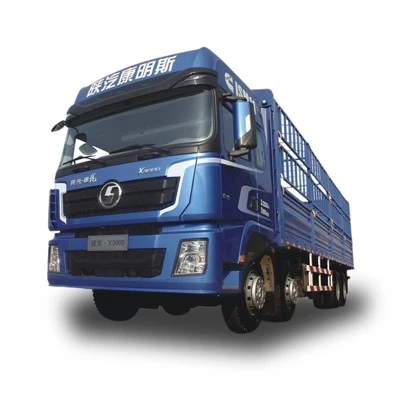

Consider Axle Load Limits
A truck's total load capacity does not mean all weight can be placed on a single axle. Each axle (front, rear, tandem) has a rated axle load marked on the VIN plate or in the truck's manual.Uneven weight distribution, such as overloading the rear axle, can strain suspension parts and reduce steering control. For multi-axle trucks, ensure the cargo weight is split evenly to match each axle's limit-this is especially important for heavy-duty cargo trucks.
Account for Additional Weights and Modifications
Factory load capacity is calculated for the stock truck. Any extra equipment or added weight will reduce the available payload:
1. Permanent modifications (e.g., lift gates, extra fuel tanks, toolboxes).
2. Variable weights (e.g., full fuel tanks, multiple passengers, towing a trailer).Even small additions add up-always deduct these weights from the official payload to get the actual usable load capacity for your trip.
Avoid Visual and Estimation Mistakes
Many drivers make the mistake of judging load capacity by visual cues (e.g., how high the cargo is stacked or how the truck sits). This is extremely unreliable:
Dense cargo (e.g., metal, concrete) can be far heavier than it looks, even in a small volume.
A truck may not show obvious sagging until it is significantly overloaded, by which time structural damage is already occurring.Always use a weighbridge before departure for precise weight checks-this is the only way to confirm you are not overloading.
Follow Local Road and Legal Regulations
Even if a truck can physically carry more weight, local transportation laws set road load limits that may be lower than the truck's GVM. These limits vary by region, highway type, and bridge specifications.Familiarize yourself with local rules (e.g., national highway load limits, urban road restrictions) to avoid fines, vehicle impoundment, or being denied entry to certain roads.
Final Note
Judging a cargo truck's load capacity is not a guess-it is a precise calculation based on official data, weight distribution, and legal rules. By following these steps, you ensure safe, legal, and efficient transportation, protect your vehicle, and avoid costly disruptions to your logistics operations.


