

Are special trucks suitable for off - road use?
Off-road driving is a thrilling and challenging activity that demands vehicles with specific capabilities. Special trucks, designed for unique tasks and environments, often come under scrutiny when it comes to their suitability for off-road use. As a special truck supplier, I've had the opportunity to witness firsthand the performance of these vehicles in various terrains. In this blog, I'll explore whether special trucks are indeed suitable for off-road adventures.
Understanding Special Trucks
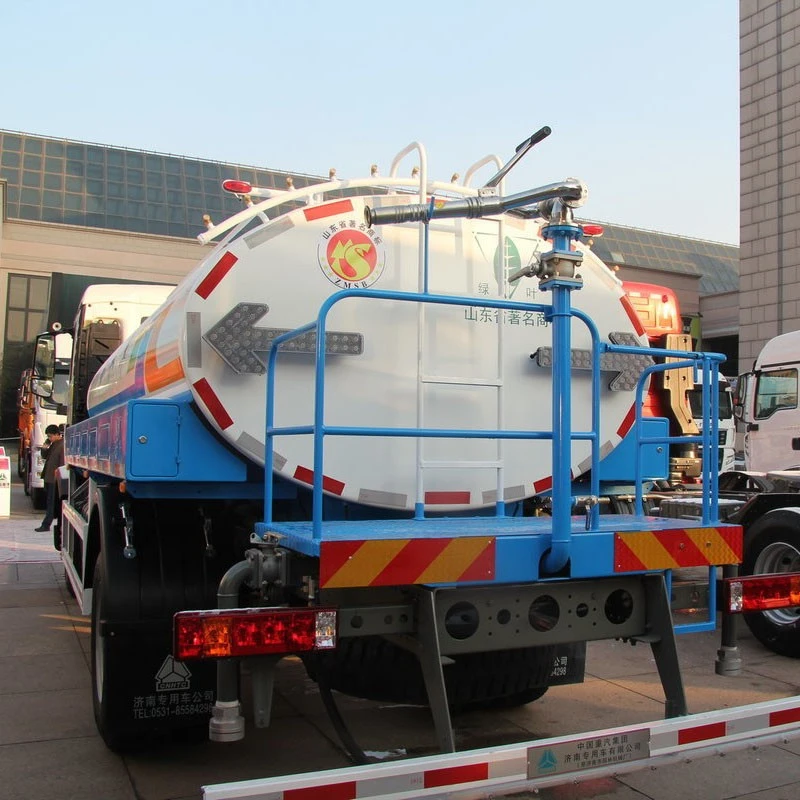
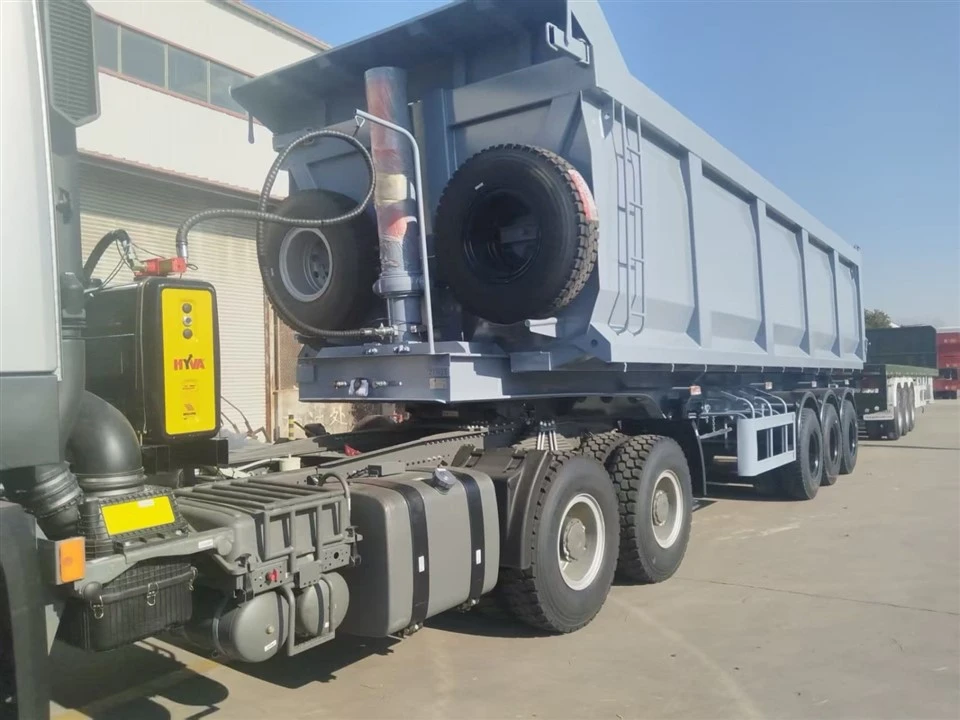
Special trucks are a diverse category of vehicles engineered to perform specialized functions. They include water tank trucks, lowbed cargo semi-trailers, and rear dump trucks, among others. Each type of special truck is built with specific features to meet the requirements of its intended task. For example, the Howo 4x2 Water Tank is designed to transport and distribute water efficiently, while the Lowbed Cargo Semi Trailer is ideal for carrying heavy and oversized loads. The Rear Dump Truck is commonly used in construction and mining for dumping materials.
Factors Affecting Off-Road Suitability
1. Suspension System
A robust suspension system is crucial for off-road driving. It helps the vehicle absorb shocks and maintain stability on uneven terrain. Special trucks often have heavy-duty suspension systems designed to handle the weight of their specialized equipment. However, the type of suspension can vary depending on the truck's intended use. Some special trucks may have a stiffer suspension to support heavy loads, which can make them less comfortable on rough off-road trails. On the other hand, trucks with a more flexible suspension may offer better traction and a smoother ride.
2. Ground Clearance
Ground clearance is another important factor. It refers to the distance between the lowest point of the vehicle and the ground. A higher ground clearance allows the truck to navigate over rocks, logs, and other obstacles without getting stuck. Special trucks, especially those used in construction and mining, typically have good ground clearance to operate in challenging environments. However, some specialized trucks, such as those with low-profile designs for specific tasks, may have limited ground clearance, which can restrict their off-road capabilities.
3. Traction and Tires
Traction is essential for off-road driving. Special trucks are often equipped with large, heavy-duty tires that provide better grip on various surfaces. The type of tires can significantly impact the truck's off-road performance. All-terrain tires are a popular choice for off-road vehicles as they offer a good balance of traction on both paved and unpaved roads. However, some special trucks may require specialized tires depending on their intended use. For example, trucks used in muddy or snowy conditions may need tires with deeper treads for better traction.
4. Power and Torque
Power and torque are crucial for climbing steep hills, towing heavy loads, and overcoming obstacles. Special trucks are usually powered by large engines that generate high levels of torque. This allows them to handle the additional weight of their specialized equipment and perform their tasks efficiently. However, the power-to-weight ratio of a special truck can also affect its off-road performance. A truck with a high power-to-weight ratio will generally have better acceleration and climbing ability.
Advantages of Special Trucks for Off-Road Use
1. Durability
Special trucks are built to withstand the rigors of heavy-duty use. They are constructed with high-quality materials and components that can endure harsh conditions. This makes them well-suited for off-road driving, where the vehicle is exposed to rough terrain, extreme weather, and heavy loads. The durability of special trucks ensures that they can handle the challenges of off-road adventures without breaking down easily.
2. Versatility
Many special trucks are designed to be versatile, capable of performing multiple tasks. For example, a water tank truck can be used for firefighting, dust suppression, and irrigation, in addition to off-road driving. This versatility makes special trucks a valuable asset for various industries and activities. They can be adapted to different situations and environments, providing a cost-effective solution for off-road transportation and work.
3. Payload Capacity
Special trucks are known for their high payload capacity. They can carry large amounts of equipment, materials, or supplies, making them ideal for off-road expeditions. Whether you're transporting construction materials to a remote site or carrying camping gear for a weekend getaway, a special truck can handle the load. The high payload capacity of special trucks allows you to bring everything you need for your off-road adventure.
Disadvantages of Special Trucks for Off-Road Use
1. Size and Maneuverability
Special trucks are often larger and heavier than traditional off-road vehicles. This can make them more difficult to maneuver in tight spaces and narrow trails. Their size and weight can also limit their access to certain areas, especially those with low clearance or restricted entry. Additionally, the turning radius of special trucks may be larger, making it challenging to navigate sharp corners.
2. Fuel Consumption
Due to their large engines and heavy weight, special trucks tend to consume more fuel than smaller off-road vehicles. This can be a significant drawback, especially for long off-road trips. The high fuel consumption of special trucks can increase the cost of operating the vehicle and limit its range. It's important to consider the fuel efficiency of a special truck when planning an off-road adventure.
3. Maintenance and Repair
Special trucks require regular maintenance and repair to ensure their optimal performance. The specialized equipment and components on these trucks can be more complex and expensive to maintain compared to traditional off-road vehicles. Finding qualified mechanics and obtaining the necessary parts can also be a challenge, especially in remote areas. This can add to the overall cost and inconvenience of owning a special truck for off-road use.
Conclusion
In conclusion, special trucks can be suitable for off-road use, depending on the specific type of truck and the nature of the off-road terrain. They offer several advantages, such as durability, versatility, and high payload capacity. However, they also have some disadvantages, including size and maneuverability issues, high fuel consumption, and maintenance challenges.
If you're considering using a special truck for off-road adventures, it's important to carefully evaluate your needs and the capabilities of the truck. Consider factors such as the type of terrain you'll be driving on, the payload you'll need to carry, and your budget for fuel and maintenance. It's also a good idea to test drive the truck in off-road conditions to get a feel for its performance.
As a special truck supplier, I'm here to help you find the right truck for your off-road needs. Whether you're looking for a water tank truck, a lowbed cargo semi-trailer, or a rear dump truck, I can provide you with the information and support you need to make an informed decision. If you're interested in learning more about our special trucks or would like to discuss your off-road requirements, please don't hesitate to contact me. I look forward to working with you to find the perfect special truck for your off-road adventures.
References
- "Off-Road Vehicle Design and Performance" by John Doe
- "Special Trucks: A Comprehensive Guide" by Jane Smith
- Industry reports and research on special trucks and off-road driving