

Can a cargo truck be used for transporting food products?
As a seasoned supplier of cargo trucks, I often encounter inquiries regarding the feasibility of using these vehicles for transporting food products. This topic is of significant importance, not only for food distributors and suppliers but also for those in the logistics and transportation industry. In this blog post, I'll delve into the key aspects of using cargo trucks for food transportation, including the advantages, challenges, regulatory requirements, and suitable truck models.
Advantages of Using Cargo Trucks for Food Transportation
Cargo trucks offer several advantages when it comes to transporting food products. Firstly, they provide flexibility in terms of delivery routes and schedules. Unlike larger transport modes such as trains or ships, cargo trucks can reach remote areas and make multiple stops, which is crucial for delivering fresh produce and perishable goods to local markets, restaurants, and grocery stores.
Secondly, cargo trucks can be customized to meet the specific needs of food transportation. For example, refrigerated cargo trucks are equipped with temperature - controlled systems that can maintain a constant temperature, ensuring the safety and quality of perishable food items like dairy products, meat, and fresh fruits and vegetables. Dry cargo trucks, on the other hand, are suitable for transporting non - perishable food items such as grains, canned goods, and packaged snacks.
Another advantage is the relatively quick delivery time. Cargo trucks can directly transport food from the source to the destination, reducing the transit time and minimizing the risk of spoilage. This is particularly important for food products with a short shelf - life.
Challenges in Food Transportation with Cargo Trucks
However, using cargo trucks for food transportation also presents some challenges. One of the main challenges is maintaining the proper temperature and humidity levels. Perishable food items require strict temperature control to prevent the growth of bacteria and spoilage. Any deviation from the recommended temperature range can lead to food safety issues.
Cleanliness is another crucial factor. Cargo trucks must be thoroughly cleaned and sanitized regularly to prevent cross - contamination. Food residues, dirt, and pests can contaminate the food being transported, posing a risk to public health.
In addition, traffic congestion and road conditions can affect the delivery time and the quality of the food. Delays due to traffic jams can increase the transit time, especially for perishable goods, and rough roads can cause damage to the food packaging.
Regulatory Requirements for Food Transportation
To ensure the safety of food products during transportation, there are strict regulatory requirements that cargo truck operators must comply with. In many countries, food transportation is subject to regulations from food safety authorities, such as the Food and Drug Administration (FDA) in the United States.

These regulations typically include requirements for vehicle cleanliness, temperature control, and proper documentation. For example, trucks used for transporting food must be cleaned and disinfected between loads. Temperature - controlled trucks must have accurate temperature monitoring systems, and records of the temperature during transit must be maintained.
In addition, drivers are often required to undergo training on food safety practices, including proper handling of food products, cleaning procedures, and emergency response in case of temperature deviations or other issues.
Suitable Cargo Truck Models for Food Transportation
When it comes to choosing a cargo truck for food transportation, there are several models that are well - suited for the task.
The Shacman L3000 Cargo Truck is a popular choice. It offers a spacious cargo area, which is suitable for transporting a large quantity of food products. The truck is also known for its reliability and fuel efficiency, which can help reduce the transportation cost.
The Dongfeng 4x2 Cargo Truck is another excellent option. It has a strong chassis and a stable driving performance, making it suitable for long - distance food transportation. The truck can be customized with different types of cargo compartments, including refrigerated and dry compartments, to meet the specific needs of food transportation.
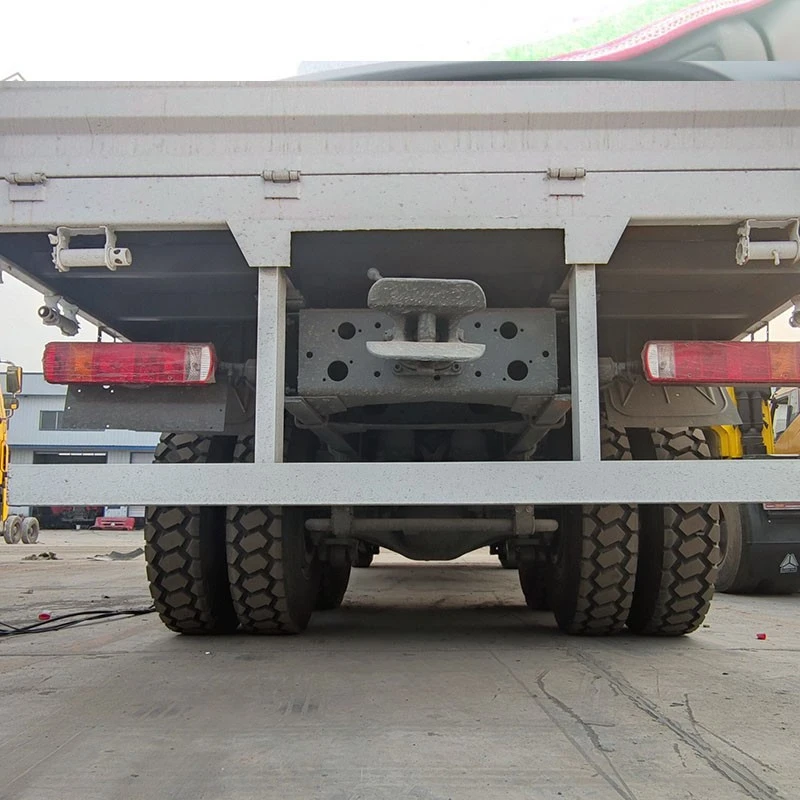
The Howo 6x4 Cargo Truck is a heavy - duty truck that is capable of carrying a large load. It is equipped with advanced technology and safety features, ensuring the safe and efficient transportation of food products. The truck's powerful engine and robust design make it suitable for transporting food in various road conditions.
Conclusion
In conclusion, cargo trucks can indeed be used for transporting food products, offering flexibility, customization, and relatively quick delivery times. However, it is essential to address the challenges such as temperature control, cleanliness, and regulatory compliance. By choosing the right cargo truck model, such as the Shacman L3000, Dongfeng 4x2, or Howo 6x4, food suppliers and distributors can ensure the safe and efficient transportation of their products.
If you are in the food transportation business and are looking for a reliable cargo truck supplier, I would be more than happy to assist you. Our company offers a wide range of cargo trucks that are suitable for food transportation, and we can provide customized solutions to meet your specific needs. Contact us for more information and let's start a fruitful cooperation.
References
- Food and Drug Administration (FDA). (Year). Guidelines for Food Transportation.
- International Food Safety Authorities Network (INFOSAN). (Year). Best Practices for Food Transportation.
- World Health Organization (WHO). (Year). Food Safety during Transportation.