

How do you test the hydraulic pump of a dump truck?
As a trusted dump truck supplier, ensuring the optimal performance of every component in our vehicles is of utmost importance. One critical part that significantly impacts the functionality of a dump truck is the hydraulic pump. The hydraulic pump is responsible for generating the pressure needed to lift and lower the dump body, making it essential to test this component regularly to prevent malfunctions and ensure safe operation. In this blog, I'll share a comprehensive guide on how to test the hydraulic pump of a dump truck.
Pre - test Preparations
Before starting the actual testing process, it's crucial to take some preparatory steps. First, gather all the necessary tools. You'll need a pressure gauge, a flow meter, a set of wrenches, and safety equipment such as gloves and safety glasses.

Inspect the hydraulic system visually. Check for any signs of leaks, loose connections, or damaged hoses. Leaks can not only lead to a loss of hydraulic fluid but also cause a drop in pressure, affecting the pump's performance. Make sure the hydraulic fluid level is within the recommended range. Low fluid levels can cause the pump to overheat and damage its internal components.
Checking the Pump's Rotation
The first step in testing the hydraulic pump is to verify its rotation. Incorrect rotation can prevent the pump from generating the necessary pressure. To check the rotation, you can use a rotation indicator or simply observe the direction of the pump's shaft movement. Refer to the manufacturer's manual to determine the correct rotation direction. If the pump is rotating in the wrong direction, it may be due to a wiring issue or a misaligned motor. Correct the rotation before proceeding with further testing.
Measuring the Pump's Pressure
To measure the pressure generated by the hydraulic pump, you'll need to connect a pressure gauge to the pump's outlet port. Make sure the connection is tight to prevent any leaks. Start the dump truck's engine and let it idle. Then, engage the hydraulic system to activate the pump. As the pump starts working, the pressure gauge will show the pressure reading.
Compare the measured pressure with the specifications provided by the pump manufacturer. If the pressure is lower than the recommended value, it could indicate a problem with the pump, such as worn - out internal components, a clogged filter, or a leak in the system. On the other hand, if the pressure is higher than normal, it may be due to a blocked relief valve or a restriction in the hydraulic lines.
Testing the Pump's Flow Rate
In addition to pressure, the flow rate of the hydraulic pump is also a crucial parameter. A low flow rate can cause slow operation of the dump body, while a high flow rate can lead to excessive wear on the system components. To measure the flow rate, you'll need to install a flow meter in the hydraulic circuit.
With the engine running and the hydraulic system engaged, read the flow rate on the meter. Compare the measured flow rate with the manufacturer's specifications. If the flow rate is too low, it could be due to a damaged pump, a clogged suction line, or a worn - out impeller. A high flow rate may be caused by a malfunctioning relief valve or an incorrect pump setting.
Analyzing the Pump's Noise and Vibration
During the testing process, pay close attention to the noise and vibration produced by the hydraulic pump. Unusual noises, such as rattling, whining, or knocking, can indicate internal damage to the pump. Vibration can also be a sign of a problem, such as an imbalanced pump or a loose mounting.
If you notice excessive noise or vibration, stop the engine immediately and inspect the pump. Check for any loose bolts, damaged bearings, or worn - out gears. Tighten any loose connections and replace any damaged components as necessary.
Testing the Relief Valve
The relief valve is an important safety component in the hydraulic system. It is designed to limit the maximum pressure in the system and prevent damage to the pump and other components. To test the relief valve, you'll need to gradually increase the pressure in the hydraulic system until the relief valve opens.
Use a pressure gauge to monitor the pressure. When the relief valve opens, the pressure should drop suddenly. Compare the opening pressure of the relief valve with the manufacturer's specifications. If the opening pressure is too high or too low, the relief valve may need to be adjusted or replaced.
Testing Different Dump Truck Models
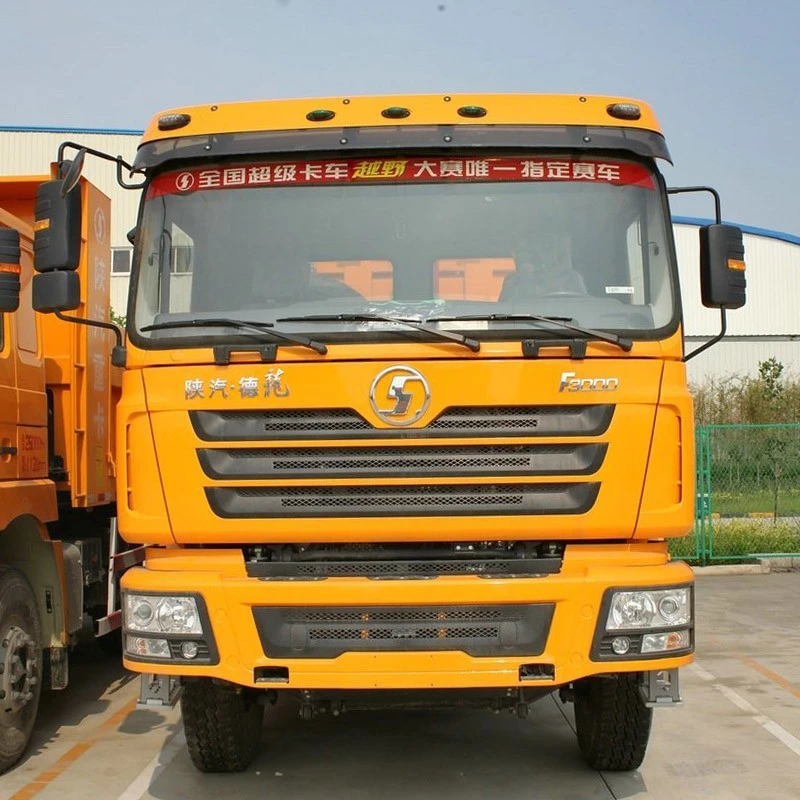
As a dump truck supplier, we offer a variety of models, such as the Howo 6x4 Dump Truck, Shacman F3000 6x4 Dump Truck, and HOWO TX Dump Truck. While the basic testing procedures for the hydraulic pump are similar for all these models, there may be some minor differences in the pump's specifications and the location of the testing ports. Make sure to refer to the specific model's manual for accurate testing instructions.
Post - test Actions
After completing the testing process, if you've identified any issues with the hydraulic pump, it's essential to address them promptly. Replace any damaged components, repair any leaks, and adjust the pump's settings if necessary. Once the repairs are done, repeat the testing process to ensure that the pump is working correctly.
Importance of Regular Testing
Regular testing of the hydraulic pump is crucial for the overall performance and safety of the dump truck. A well - maintained hydraulic pump can improve the efficiency of the dump body's operation, reduce the risk of breakdowns, and extend the lifespan of the entire hydraulic system. By following the testing procedures outlined in this blog, you can identify and address potential problems before they become major issues.
Contact for Purchase and Consultation
If you're in the market for a high - quality dump truck or need further advice on maintaining and testing your hydraulic pump, we're here to help. Our team of experts has extensive knowledge and experience in the dump truck industry. We can provide you with detailed information about our products and assist you in making the right choice for your specific needs. Whether you're interested in the Howo 6x4 Dump Truck, Shacman F3000 6x4 Dump Truck, or HOWO TX Dump Truck, we can offer you competitive prices and excellent after - sales service. Don't hesitate to contact us to start the procurement discussion.
References
- Hydraulic Pump Manufacturer's Manuals
- Dump Truck Service and Maintenance Guides