

How to manage a trucking fleet?
Managing a trucking fleet is a complex yet rewarding endeavor that requires a strategic approach, a keen eye for detail, and a commitment to efficiency and safety. As a truck supplier, I've witnessed firsthand the challenges and opportunities that come with overseeing a fleet of trucks. In this blog post, I'll share some insights and best practices on how to effectively manage a trucking fleet, drawing from my experience in the industry.
1. Fleet Acquisition and Selection
The first step in managing a trucking fleet is acquiring the right trucks for your business. This involves careful consideration of several factors, including the type of cargo you'll be transporting, the distance of your routes, and your budget.
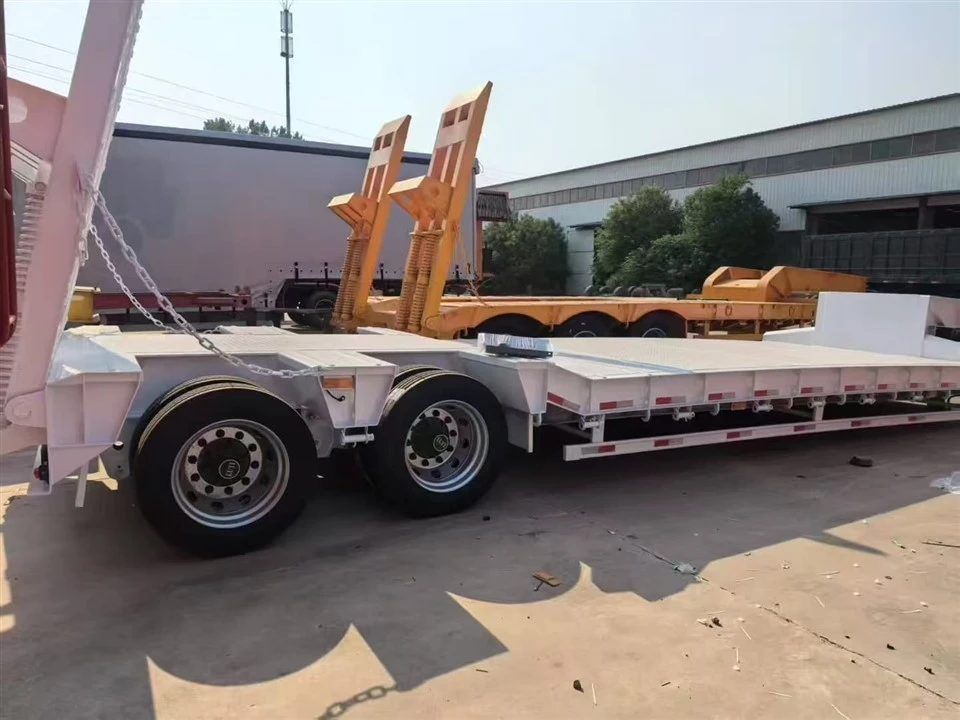
When selecting trucks, it's important to choose models that are reliable, fuel - efficient, and suitable for your specific needs. For example, if you're in the business of street rescue operations, the Howo 6x4 Street Rescue Truck is an excellent choice. It offers the power and functionality required for emergency situations. On the other hand, if you need to handle heavy - lifting tasks, the Howo 6x4 Crane Truck can be a valuable addition to your fleet. And for transporting large and heavy equipment, a Low Flatbed Trailer provides the necessary capacity and stability.
It's also crucial to consider the long - term costs associated with each truck, including maintenance, insurance, and fuel consumption. Conducting a cost - benefit analysis can help you make informed decisions and ensure that your fleet investment is financially viable.
2. Driver Management
Drivers are the heart of any trucking fleet. Their skills, experience, and attitude can significantly impact the success of your business. Therefore, it's essential to recruit, train, and retain high - quality drivers.
When recruiting drivers, look for candidates with a clean driving record, relevant experience, and a good understanding of safety regulations. Provide comprehensive training programs that cover not only driving skills but also safety procedures, customer service, and the proper use of truck equipment.
To retain your drivers, offer competitive salaries, benefits, and a positive work environment. Recognize and reward their hard work and achievements, and provide opportunities for career advancement. Happy and motivated drivers are more likely to be productive and reliable, which can lead to better customer satisfaction and increased profitability.
3. Maintenance and Repairs
Regular maintenance is key to keeping your trucks in optimal condition and preventing breakdowns. Develop a comprehensive maintenance schedule that includes routine inspections, oil changes, tire rotations, and other preventive maintenance tasks.
Establish a relationship with a reliable maintenance provider who has experience working with your type of trucks. They can help you identify potential problems early on and perform necessary repairs in a timely manner. Keep detailed records of all maintenance and repair activities, including the date, type of service, and cost. This information can be useful for tracking the performance of your trucks and budgeting for future maintenance expenses.
In addition to preventive maintenance, it's important to have a plan in place for handling unexpected breakdowns. Provide your drivers with emergency contact information and ensure that they know what to do in case of a mechanical failure. Consider investing in roadside assistance services to minimize downtime and get your trucks back on the road as quickly as possible.
4. Route Planning and Optimization
Efficient route planning can save time, fuel, and money. Use advanced routing software to plan the most direct and cost - effective routes for your trucks. Consider factors such as traffic conditions, road closures, and delivery schedules when planning routes.
Encourage your drivers to follow the planned routes and report any deviations or issues they encounter. Regularly review and analyze your route data to identify opportunities for improvement. For example, you may find that certain routes are consistently congested or that there are alternative routes that can save time and fuel.
5. Safety Management
Safety should be the top priority in any trucking operation. Implement a comprehensive safety program that includes driver training, vehicle inspections, and safety policies and procedures.
Provide your drivers with safety equipment such as seat belts, fire extinguishers, and first - aid kits. Ensure that they are trained on how to use this equipment properly. Conduct regular safety meetings and training sessions to keep your drivers informed about the latest safety regulations and best practices.
Monitor your drivers' behavior on the road using telematics systems. These systems can track factors such as speed, acceleration, and braking, and provide real - time feedback to your drivers. Use this data to identify and address any unsafe driving habits.
6. Fuel Management
Fuel is one of the largest expenses for a trucking fleet. Therefore, it's important to implement fuel management strategies to reduce costs.
Encourage your drivers to practice fuel - efficient driving techniques, such as maintaining a steady speed, avoiding idling, and reducing unnecessary braking and acceleration. Use fuel cards to track fuel purchases and identify any potential fraud or misuse.
Consider investing in fuel - efficient trucks and technologies, such as hybrid or electric trucks. These vehicles can significantly reduce fuel consumption and emissions, which is not only good for the environment but also for your bottom line.
7. Inventory and Load Management
Proper inventory and load management are essential for maximizing the efficiency of your trucking fleet. Ensure that your trucks are loaded safely and efficiently, taking into account the weight and balance of the cargo.
Use inventory management software to track the movement of your cargo and ensure that it is delivered on time and in good condition. Provide your drivers with clear instructions on how to load and unload the cargo, and ensure that they have the necessary equipment and tools to do so safely.
8. Data Analysis and Performance Monitoring
Collecting and analyzing data is crucial for making informed decisions and improving the performance of your trucking fleet. Use fleet management software to track key performance indicators (KPIs) such as fuel consumption, maintenance costs, driver productivity, and on - time delivery rates.
Regularly review and analyze this data to identify trends, patterns, and areas for improvement. For example, if you notice that fuel consumption is increasing on a particular route, you can investigate the cause and take corrective action. Use the insights gained from data analysis to set goals, develop strategies, and measure the success of your fleet management efforts.
9. Regulatory Compliance
The trucking industry is highly regulated, and it's important to ensure that your fleet complies with all relevant laws and regulations. Stay up - to - date on changes in safety, environmental, and transportation regulations, and ensure that your trucks and drivers are in full compliance.
Maintain accurate records of all regulatory requirements, such as driver logs, vehicle inspections, and maintenance records. Conduct regular audits to ensure that your fleet is operating in accordance with the law.
Conclusion
Managing a trucking fleet is a multifaceted task that requires careful planning, attention to detail, and a commitment to continuous improvement. By following the best practices outlined in this blog post, you can optimize the performance of your fleet, reduce costs, and increase profitability.
If you're interested in learning more about our trucking solutions or have any questions about managing your fleet, we'd love to hear from you. Contact us to discuss your specific needs and explore how our products and services can help you achieve your business goals.
References
- American Trucking Associations. (n.d.). Best Practices for Fleet Management.
- Federal Motor Carrier Safety Administration. (n.d.). Safety Regulations for Trucking Companies.
- Society of Automotive Engineers. (n.d.). Guidelines for Truck Maintenance and Repair.