

What are the safety precautions when using agricultural machinery at night?
As an agricultural machinery supplier, I understand the significance of using agricultural machinery safely, especially when operating at night. Nighttime operations can be challenging due to reduced visibility, fatigue, and other factors. In this blog, I will share some essential safety precautions to consider when using agricultural machinery at night.
1. Pre - operation Checks
Before starting any nighttime operation with agricultural machinery, a thorough pre - operation check is crucial.
- Inspect Lighting Systems: Ensure that all the lights on the machinery are in proper working condition. This includes headlights, taillights, and any auxiliary lights. For example, on our Lovolp M1004 - 3b Agricultural Tractor, a well - functioning lighting system is essential for clear visibility of the field and surrounding areas. Dim or non - working lights can significantly increase the risk of accidents.
- Check Reflective Markings: Reflective markings on the machinery help other vehicles and workers in the area to spot the equipment easily. Make sure these markings are clean and intact. If they are faded or damaged, replace them immediately.
- Verify Safety Devices: All safety devices such as seat belts, roll - over protection structures (ROPS), and emergency stop buttons should be inspected. For instance, on the Lovolp1604 - 4 Agricultural Tractor, the ROPS provides crucial protection in case of a roll - over accident. Ensure that these devices are properly installed and in good working order.
- Inspect the Machinery Mechanically: Check the engine, brakes, steering, and other mechanical components. A malfunctioning brake system on a tractor can be extremely dangerous, especially when operating in the dark. Make sure all fluids are at the appropriate levels and there are no signs of leaks.
2. Operator Training and Preparation
The operator's skills and preparedness play a vital role in ensuring safe nighttime operations.
- Night - specific Training: Provide operators with specialized training on night - time machinery operation. This training should cover topics such as adjusting to reduced visibility, using the lighting systems effectively, and dealing with potential hazards unique to night operations.
- Rest and Fatigue Management: Nighttime work can be tiring, and fatigue can impair an operator's judgment and reaction time. Encourage operators to get sufficient rest before starting a night shift. Implement a work - rest schedule to prevent excessive fatigue. For example, take short breaks every few hours to stay alert.
- Wear Appropriate Clothing: Operators should wear bright, reflective clothing to increase their visibility. This is especially important when they need to get off the machinery to perform tasks such as checking equipment or moving obstacles.
3. Field and Environment Awareness
Understanding the field and the surrounding environment is essential for safe nighttime operations.
- Familiarize with the Field: Before starting work at night, the operator should be familiar with the layout of the field. Know the locations of ditches, fences, and other obstacles. Use GPS or other mapping tools to mark these areas if necessary. For example, on the Lovolp M704 - 2ef1 Agricultural Tractor, some models come with advanced GPS systems that can help in navigating the field more safely.
- Be Aware of Weather Conditions: Weather can have a significant impact on nighttime operations. Rain, fog, or snow can further reduce visibility. If the weather conditions deteriorate, it may be necessary to stop the operation until it is safe to resume.
- Communicate with Others: If there are other workers in the field, establish clear communication channels. Use two - way radios or other communication devices to keep in touch. This helps in avoiding collisions and coordinating work effectively.
4. Emergency Planning
Despite taking all the necessary precautions, emergencies can still occur. Having an emergency plan in place is crucial.
- First - aid Kit: Ensure that there is a well - stocked first - aid kit on the machinery or in a nearby accessible location. Operators should be trained in basic first - aid procedures.
- Emergency Contact Information: Have a list of emergency contact numbers readily available. This includes local emergency services, the machinery supplier's support line, and any other relevant contacts.
- Evacuation Plan: In case of a serious emergency such as a fire or a tractor roll - over, have an evacuation plan in place. The operator should know the safest way to exit the machinery and reach a safe area.
5. Maintenance and Follow - up
Regular maintenance of agricultural machinery is essential for long - term safety.
- Post - operation Checks: After each night operation, conduct a post - operation check. Look for any signs of damage or wear and tear on the machinery. This helps in identifying potential problems early and preventing them from escalating.
- Regular Maintenance Schedule: Follow a regular maintenance schedule for the machinery. This includes oil changes, filter replacements, and inspections of critical components. A well - maintained machine is less likely to break down during operation, reducing the risk of accidents.
6. Use of Technology
Modern agricultural machinery is equipped with various technologies that can enhance safety during night operations.

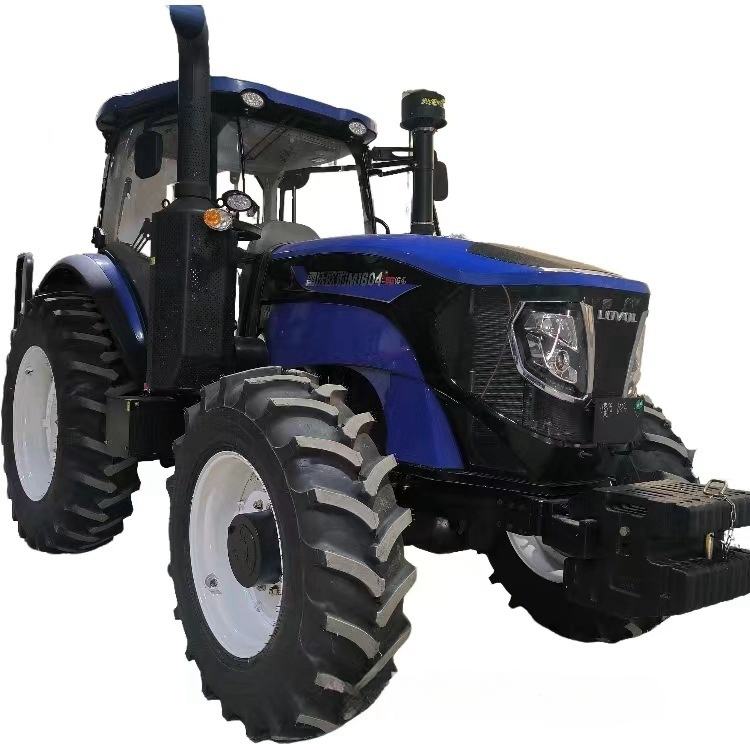
- Night - vision Technology: Some tractors are now available with night - vision systems. These systems can improve the operator's visibility in low - light conditions, allowing them to detect obstacles and hazards more easily.
- Collision Avoidance Systems: Collision avoidance systems use sensors to detect objects in the path of the machinery. If an object is detected, the system can alert the operator or take preventive measures such as applying the brakes.
In conclusion, using agricultural machinery at night requires extra caution and preparation. By following these safety precautions, operators can minimize the risk of accidents and ensure a safe working environment. At our company, we are committed to providing high - quality agricultural machinery that meets the highest safety standards. If you are interested in purchasing agricultural machinery or have any questions about safety precautions, please feel free to contact us for a procurement discussion.
References
- Agricultural Safety and Health Council of America. (2023). Nighttime Agricultural Machinery Operations Safety Guide.
- National Institute for Occupational Safety and Health (NIOSH). (2023). Guidelines for Safe Use of Agricultural Equipment.