

How to Maintain Construction Machinery Well?
Construction machinery like excavators, loaders and bulldozers is the core of construction projects, and proper maintenance directly affects operational efficiency, service life and project progress. Neglecting daily care not only leads to frequent breakdowns and high repair costs but also increases safety risks on site. Here are practical, easy-to-follow maintenance tips to keep your construction machinery in top working condition, suitable for construction teams and equipment managers of all scales.
Stick to Regular Routine Inspections
Routine checks are the first line of defense against mechanical failures, and they should be done before each use and after daily operation. Focus on key parts: check oil, hydraulic fluid and coolant levels for leaks or insufficient volume; inspect tire pressure, track tightness and bolt connections for looseness; test brake systems, lights and control levers to ensure normal operation. Record all inspection results in a log-this helps track equipment status and identify potential problems early.

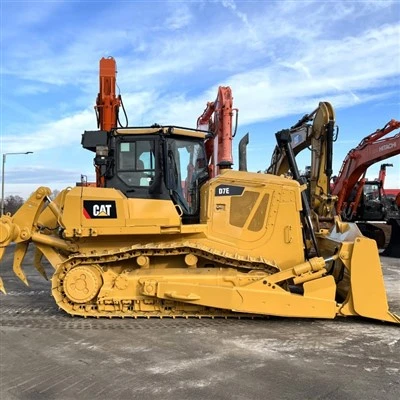
Keep Machinery Clean and Dry
Construction sites are full of dust, mud and debris, which are the main causes of part wear and corrosion. After each work shift, clean the machine thoroughly: remove mud, stone and dust from the body, engine compartment and hydraulic pipes with a high-pressure water gun (avoid direct spraying on electrical components); wipe the cab and control panel to keep them free of dirt; park the machinery in a dry, ventilated area, and cover it with a waterproof cloth if stored outdoors for a long time. Keeping parts clean reduces friction and prevents rusting of metal components.
Follow the Lubrication Schedule Strictly
Lubrication is essential to reduce wear between moving parts. Refer to the manufacturer's manual to determine the type of lubricant (grease, engine oil) and lubrication interval for each part, such as bearings, gears and pivot points. Use high-quality lubricants that match the working environment-for high-temperature or dusty sites, choose lubricants with better heat resistance and sealing performance. Over-lubrication is also harmful: it can cause oil accumulation and attract dust, leading to secondary pollution.
Address Small Faults Immediately
Never ignore small malfunctions like abnormal noises, slight leaks or slow operation. A small fault left unaddressed will quickly develop into a major breakdown, resulting in longer downtime and higher repair costs. Once an abnormality is found, stop the machine immediately and conduct a detailed check; if the problem cannot be solved on-site, contact professional maintenance personnel in time. Delaying repairs not only damages the machine but also may cause safety accidents during operation.
Train Operators on Standard Operation
Improper operation is a major factor leading to mechanical damage. Ensure all operators receive professional training and master the standard operation procedures of the machinery: avoid overloading, sudden acceleration or sharp turns; operate the control levers gently to prevent impact on the hydraulic system; do not use the machine for tasks beyond its design scope. Regularly organize operational training and safety seminars to enhance operators' awareness of equipment protection.
Final Note
Good maintenance of construction machinery is not a one-time task but a persistent daily work. By following these simple and effective tips, you can significantly reduce equipment failures, extend service life, lower operational costs and ensure the smooth progress of construction projects. Consistent care is the most cost-effective investment for your construction machinery.


