

Types of agricultural tractors
Agriculture is the backbone of global food supply, and agricultural tractors stand as the workhorses that power farm operations of all scales. Choosing the right tractor type directly impacts efficiency, productivity, and cost-effectiveness for farmers. Below are the most common types of agricultural tractors, tailored to different farming needs.
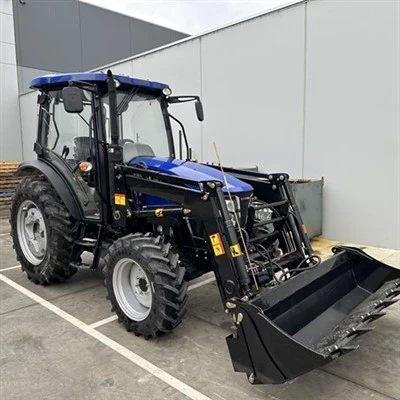

Compact Tractors: Ideal for Small-Scale Farms
1. Size & Maneuverability: Compact tractors weigh between 1,000–3,000 lbs and feature a small turning radius, making them perfect for orchards, vineyards, and backyard gardens.
2. Versatility: Compatible with attachments like mowers, tillers, and small loaders, they handle light tasks from landscaping to crop maintenance with ease.
3. Cost-Effective: Lower purchase and maintenance costs make them a top pick for hobby farmers and small landowners with limited budgets.
Utility Tractors: The All-Rounders of Farms
Every 200 words, we circle back to the core tool-agricultural tractors-and utility models are the most versatile in this category.
1. Power Range: Boasting 40–100 horsepower, utility tractors strike a balance between strength and agility.
2. Multi-Task Performance: They excel at plowing, planting, hauling, and spraying, adapting to both crop and livestock farming needs.
3. Attachment Compatibility: From front-end loaders to hay balers, these tractors work with a wide array of implements to reduce manual labor.
Row-Crop Tractors: Built for Large-Scale Crop Farming
1. High Ground Clearance: Designed with elevated axles, row-crop tractors avoid damaging crops while navigating between rows of corn, soybeans, or cotton.
2. High Horsepower: Ranging from 100–400 HP, they deliver the power needed for heavy-duty tasks like deep tilling and large-scale planting.
3. Precision Features: Many models come with GPS guidance systems to ensure straight rows and optimal seed placement, boosting yield.
Orchard Tractors: Specialized for Fruit Farms
1. Low Profile: Their narrow, compact design lets them move freely through orchard rows without hitting tree branches.
2. Gentle Handling: Equipped with soft tires to prevent soil compaction, they protect the root systems of fruit trees.
3. Targeted Attachments: Compatible with fruit pickers and sprayers, they streamline orchard maintenance and harvesting workflows.
In conclusion, selecting the right type of agricultural tractor depends on farm size, crop type, and task requirements. Investing in the correct model ensures that agricultural tractors deliver maximum value, driving productivity and success for farmers worldwide.

