

Which Type Of Dump Truck Should Be Chosen For Engineering Transportation?
Choosing the right dump truck is the key to boosting efficiency and cutting costs in engineering transportation. Different engineering scenarios, material types and terrain conditions match different dump truck models. Making a targeted selection based on actual needs can avoid equipment mismatch and project delays. This guide sorts out the core selection criteria and model matching rules for engineering transportation dump trucks, helping engineering managers make informed decisions.
Classify dump trucks by engineering application scenarios
Dump trucks are divided into several mainstream types according to structural characteristics, each adapted to specific engineering needs.
1. Standard dump trucks: With a fixed chassis and hydraulic lifting bed, they are the most common type for short-haul transportation on paved roads. Suitable for urban construction, road maintenance and small-scale earthwork, with a payload of 10-14 tons.
2. Articulated dump trucks: Featured with a hinged cab and cargo box, they have excellent off-road performance and maneuverability. Ideal for rough terrain such as mountain engineering, mining and remote construction sites, and can pass through muddy and steep roads stably.
3. Tandem/tri-axle dump trucks: Multi-axle design greatly improves legal payload capacity and vehicle stability. Tandem axle is the first choice for general construction and aggregate transportation, while tri-axle is suitable for large-scale engineering with heavy load demands such as quarry and demolition projects.
4. Mini dump trucks: Compact in size, easy to navigate tight spaces. Applicable to indoor construction, residential area renovation and landscaping projects with limited operating space.
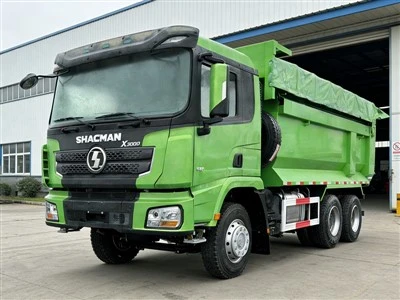

Key selection factors for engineering transportation
Beyond model matching, three core factors must be considered to ensure the dump truck meets actual engineering needs.
1. Material type and payload: Transporting sharp ores and heavy rocks requires high-strength steel cargo boxes and high load capacity; light materials such as sand and soil can choose lightweight models to save fuel consumption. Strictly follow the gross vehicle weight rating to avoid overloading and safety risks.
2. Terrain and road conditions: Steep and uneven terrain prioritizes articulated dump trucks with strong traction; flat construction sites choose standard dump trucks for higher cost performance; soft soil roads need models with wider tires to prevent sinking.
3. Operation cost and durability: Under the premise of meeting transportation needs, compare fuel efficiency and maintenance costs of different models. Choose well-known brand products with reliable after-sales service, which can reduce the failure rate in long-term engineering operation.
Core principle of selection: match with actual engineering scale
Small and medium-sized urban engineering and short-distance transportation are suitable for standard or mini dump trucks, focusing on maneuverability and compliance with urban environmental regulations; large-scale earthwork, mining and cross-regional engineering need heavy-duty models such as articulated or tri-axle dump trucks, taking load capacity and off-road performance as the core indicators; temporary and small projects can also consider rental models to reduce equipment purchase costs.
In summary, there is no "one-size-fits-all" dump truck for engineering transportation. The scientific selection method is to first clarify the core needs of the project, including transportation distance, material characteristics, terrain conditions and load demand, then match the corresponding model and confirm the key parameters such as axle configuration and payload. Reasonable equipment selection can not only ensure the smooth progress of engineering transportation, but also maximize the utilization rate of equipment and create more economic benefits for the project.


